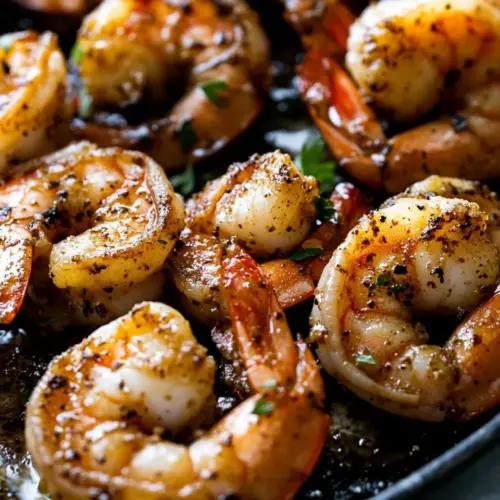
Shrimp On The Griddle
Shrimp On The Griddle is a quick, smoky, and buttery skillet style recipe that delivers crispy seared shrimp with bright lemon finish and a savory rub. This easy weeknight dinner is ideal for summer gatherings or last minute meals, offering tender texture and bold flavor in under 20 minutes. Make it when you want maximum impact with minimal effort.
Equipment
- Traeger Flatrock Griddle (partner)
- ThermoPro Thermometer
Ingredients
- 3 pounds of shrimp thawed and deveined Provide a firm, meaty base and main protein for the dish; ensure shrimp are fully thawed and deveined so they cook evenly and absorb seasonings. Pat dry before cooking to promote proper searing on the griddle and prevent steaming. Handle gently to avoid tearing the flesh and maintain a pleasing texture.
- 2 tablespoons olive oil divided Coat and lubricate the griddle surface to prevent sticking while adding a subtle fruity flavor; split the oil use so some can be used for cooking and some for finishing. Heat oil until shimmering but not smoking to achieve a good sear on the shrimp. Use measured portions to control richness and calorie content.
- 1 tablespoon barbecue rub or blackening seasoning Season and add bold savory-piquant flavor, contributing color and a slight crust when cooked at high heat; choose a barbecue rub or blackening seasoning to provide complementary spices. Apply evenly to the shrimp prior to cooking for consistent taste. Adjust amount to balance heat and smokiness according to preference.
- 1/2 large lemon juiced Brighten and balance the dish with acidic citrus juice that cuts through richness and enhances other flavors; squeeze half a large lemon over the cooked shrimp or use during the last moments of cooking. Strain seeds and pulp if a smooth finish is desired. Preserve freshness by using immediately after juicing.
- 2 tablespoons butter Enrich and add a silky, buttery mouthfeel while delivering a toasty flavor when melted over finished shrimp; add near the end of cooking so butter flavors remain vibrant. Allow butter to brown slightly for nuttier notes but avoid burning. Use measured tablespoons to control richness and sauce formation.
- 1 tsp parsley fresh chopped Garnish and impart a fresh, herbaceous finish with finely chopped parsley that brightens flavor and appearance; sprinkle over shrimp just before serving. Chop fresh to release aromatic oils and distribute evenly. Use modest amount to complement rather than overpower the other seasonings.
Instructions
- To devein the thawed shrimp, remove the shell and the vein by pulling it out. Place the shrimp in a large bowl.: The sight and feel of properly prepped shrimp should be firm and slightly translucent, never slimy. As you peel, you will notice a dark line along the back that is the digestive tract, removing it improves both texture and presentation. I like to work over a bowl so any liquid stays contained, and rinsing briefly under cold water helps remove residual grit. A common mistake is rushing and leaving shell fragments attached, which can create an unpleasant chew. Take your time to inspect each shrimp , and pat them dry with paper towels to promote better browning on the griddle.
- Season shrimp by adding 1 tablespoon of olive oil to the shrimp as a binder. Add 1 tablespoon of barbecue rub or blackening seasoning. Squeeze the juice from 1 large lemon over the shrimp. Toss the shrimp to combine all the seasonings evenly.: You should feel the oil coat each piece and see the rub cling in an even layer, giving the shrimp a faint sheen. The citrus will bead on the surface briefly before being absorbed, releasing an immediate sweet tart perfume. Tossing by hand ensures every crevice is seasoned, which is crucial for balanced bites. If you overdress with seasoning, the exterior can become too salty or overpowering, so taste an uncooked sample of your rub if possible. Let the seasoned shrimp rest for a minute while you heat the griddle so the flavors can marry slightly.
- Heat a griddle to medium or medium-high heat. Add 1 tablespoon of olive oil to the griddle. Spread the shrimp in a flat layer on the griddle. Cook the shrimp for 2 to 3 minutes on the first side. Flip the shrimp and cook for another 1 to 2 minutes. For the final minute, add 2 tablespoons of butter to the griddle. Toss the shrimp in the melted butter to coat them evenly.: When the griddle reaches temperature you should see a faint shimmer on the oil and smell a warm, toasty note. Place the shrimp in a single layer so they sizzle audibly and develop a caramelized crust. Resist moving them too soon, the sound of a steady sizzle tells you the Maillard reaction is happening and a golden edge is forming. After flipping, the second side will cook more quickly, and in the last minute adding the butter will melt into a fragrant gloss that carries the seasoning and lemon beautifully. A common error is overcrowding the surface which lowers the temperature and yields pale, steamed shrimp , so work in batches if needed for consistent color and texture.
- Cook the shrimp until they reach an internal temperature of 145°F. Serve hot and enjoy!: Use a reliable thermometer to check doneness, aiming for 145°F because this ensures the shrimp are fully cooked yet still tender. Visually, you'll see opaque flesh and a firm snap when bitten. The aroma should be sweet and savory with a hint of char and butter. Serve immediately while the exterior is still warm and glossy, because shrimp cool quickly and can tighten up. Overcooking is the most frequent mistake here, producing rubbery texture, so pull them at the correct temperature and plate right away for the best results.
Notes
- Use a different seasoning Swap the barbecue rub or blackening seasoning for a citrus pepper blend for a brighter finish, or a smoky chipotle mix if you prefer more heat and depth.
- Adjust the butter finish Replace part of the butter with ghee for a nutty flavor and a higher smoke point, which is useful if your griddle runs hot.
- Try flavored oil Instead of plain olive oil, use a garlic infused oil for added aroma, but add it at lower heat to prevent burning the garlic compounds.
- Scale easily Cook larger batches in two or three quick rounds on the griddle to keep the temperature consistent and ensure each piece gets a good sear.
- Fresh herbs matter Use fresh chopped parsley for a bright finish and visual contrast, adding it right before serving preserves the herbaceous aroma.