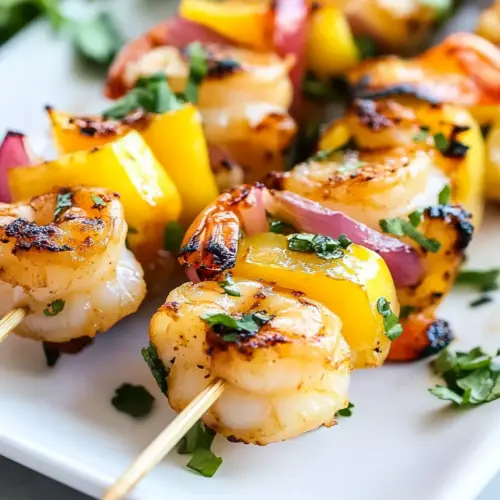
Shrimp Kabobs
Shrimp Kabobs are an easy weeknight dinner or party appetizer that balance creamy coconut milk, bright citrus, and a touch of heat. These kabobs deliver juicy shrimp and caramelized pineapple with minimal fuss, perfect for grilling season. Make them for a quick, flavorful meal that feels both fresh and festive.
Equipment
- Grill
- Medium Bowl
- Skewers
- Tongs
Ingredients
- 1/2 cup light coconut milk Adds a creamy, subtly sweet base that mellows spicy and acidic flavors; helps form a light marinade that coats shrimp for tender, moist results when grilled.
- 4 teaspoons Tabasco Original Red Sauce or hot sauce of choice Provides vinegary heat and bright chili flavor to the marinade; balances richness and adds a piquant kick that permeates the shrimp and pineapple.
- 2 teaspoons soy sauce Contributes salty, umami depth to the marinade and enhances overall savory balance; helps season the shrimp and binds flavors together for better caramelization.
- 1/4 cup freshly squeezed orange juice Imparts fresh citrus sweetness and fruity aroma that complements coconut and seafood; helps tenderize shrimp slightly while adding a tropical note to the kabobs.
- 1/4 cup freshly squeezed lime juice from about 2 large limes Delivers bright acidity and zesty citrus brightness that cuts through richness; helps to lightly marinate and brighten the shrimp and pineapple flavors.
- 1 pound large shrimp 31-40 count, peeled and deveined (you can use fresh or frozen, thawed shrimp) Supplies the main protein and carries all marinade flavors; offers meaty, sweet seafood texture that grills quickly and pairs well with tropical components.
- 3/4 pound pineapple chunks 1 inch-cut Adds juicy sweetness and caramelizable fruit pieces that contrast with savory shrimp; provides smoky-sweet bites that caramelize on the grill alongside the shrimp.
- Canola oil for grilling Prevents sticking and promotes even grilling by lightly coating the grill surface or skewered items; supports proper charring and helps achieve attractive grill marks.
- Freshly chopped cilantro and/or green onion for serving Offers fresh herbal brightness and a mild oniony finish when sprinkled over finished kabobs; adds color, aromatic lift, and a contrast to grilled sweetness.
Instructions
- In a medium bowl, combine the coconut milk, Tabasco sauce, soy sauce, orange juice, and lime juice. Add the shrimp and toss to coat. Cover and place in the refrigerator to marinate for 1-2 hours, tossing occasionally. If using wooden skewers, soak in warm water while the shrimp marinates. Meanwhile, prepare the pineapple if needed.: As the liquids mingle you will notice a bright citrus scent with a soft, creamy undertone from the coconut milk . This aroma is a good early indicator that the marinade is balanced. Tossing the shrimp ensures every surface is glossed, which helps seasoning penetrate gently but effectively. Marinating for one to two hours lets the acid from the lime juice and orange juice flavor the flesh without turning it mushy, so pay attention to time. Soaking wooden skewers keeps them from burning, and preparing uniformly sized pineapple chunks helps even grilling. A common error is overmaringating the shrimp , which can make them mealy instead of tender, so set a timer and resist the urge to leave them much longer than two hours.
- Preheat the grill to medium-high heat. Remove the shrimp from the marinade, and reserve the marinade for grilling. Thread the shrimp onto skewers, alternating with the pineapple.: When the grill reaches medium high you should hear a clear sizzle as food hits the grates, which signals the right temperature for quick searing. The reserved marinade can be used to baste and add flavor while grilling, but be mindful it briefly touched raw proteins. Threading shrimp alternated with pineapple gives balanced bites and helps the fruit caramelize without charring the protein. Keep skewers snug but not overcrowded so heat circulates. A typical mistake is placing too many pieces on one skewer which prevents even cooking.
- Lightly brush the grill with canola oil, then place the shrimp on the grill. Grill the shrimp for 3 minutes, brushing with the marinade, then turn and cook for an additional 2-3 minutes, brushing with the marinade again, until the shrimp are just cooked through. Remove to a serving plate and garnish with cilantro and green onion. Serve hot.: Brushing the grates with canola oil creates a barrier that prevents sticking and encourages even contact for those appealing grill marks. When food hits a properly oiled, hot grate you will hear an immediate hiss, and the surface should brown quickly. Place the skewers carefully and give them space to breathe, which helps both the shrimp and pineapple develop color instead of steaming. Avoid the temptation to move them constantly, because steady contact promotes caramelization.
- Grill the shrimp for 3 minutes, brushing with the marinade, then turn and cook for an additional 2 to 3 minutes, brushing with the marinade again, until the shrimp are just cooked through.: During the first cook you will notice the flesh go from translucent to opaque and firm up around the edges. Brushing with the reserved marinade adds flavor and encourages a glossy finish, but do not baste so much that the sugars burn. After flipping, watch for a gentle curl and a slightly firm texture which indicates doneness. The combined cooking time aims to produce a tender interior and a lightly charred exterior. A common mistake is overcooking; shrimp can turn rubbery quickly, so pull them off as soon as they are opaque and springy.
- Remove to a serving plate and garnish with cilantro and green onion. Serve hot.: As the kabobs rest briefly the aromas concentrate, and garnishing with freshly chopped cilantro or green onion delivers an immediate burst of herbal brightness. Serving hot preserves the contrast between caramelized edges and juicy centers, which is central to the enjoyment of these kabobs. I prefer to cut through a piece and taste for immediate feedback on seasoning and texture. One error to avoid is letting them sit too long, which cools the glaze and dulls the flavors.
Notes
- Mind the Marinate Time: Stick to one to two hours, because the acids in the citrus will tenderize the shrimp without making them mealy. Setting a timer helps prevent accidental over marination.
- Even Pieces Matter: Cut the pineapple into consistent one inch chunks so everything on the skewer finishes at the same moment, avoiding undercooked fruit or overcooked shrimp.
- Oil the Grill Well: Use a folded paper towel dipped in canola oil and tongs to oil the grates right before grilling, this reduces sticking and produces cleaner sear marks.
- Reserve and Use Marinade Carefully: Save the marinade for basting during grilling to boost flavor, but discard any marinade that has touched raw shrimp unless you boil it thoroughly first.
- Watch the Heat: Medium high heat gives the best balance of quick sear and interior juiciness, too hot and sugars burn, too low and you will steam instead of caramelize.
- Serve Immediately: These kabobs are best hot off the grill, so time any sides to be ready at the same moment to preserve texture and temperature.