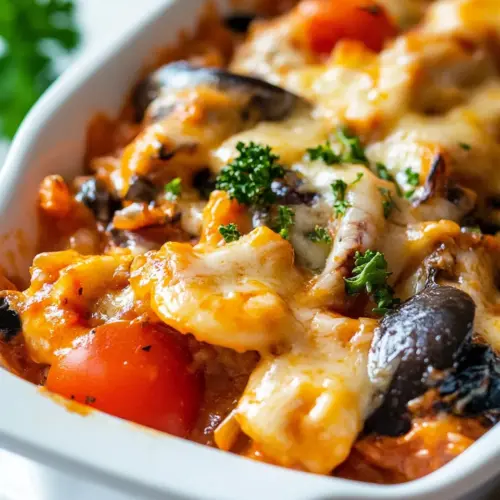
Seafood Dynamite
Seafood Dynamite is a creamy, slightly spicy baked seafood dish featuring tender shrimp, bay scallop, crab, and clam in a luscious mayonnaise based sauce with mushrooms and a golden top. This easy weeknight dinner is both elegant and comforting, offering rich textures and balanced flavors that make it perfect for casual meals or small dinner parties.
Equipment
- Oven
- Oven-safe Dish
- Mixing Spoon
Ingredients
- 2 oz (60 g) shelled baby shrimp Provide a tender, briny texture that complements other seafood elements; often pre-cooked and ready to eat, offering subtle sweetness. Add a delicate mouthfeel and small, bite-sized pieces that distribute evenly through the dish. Pair well with creamy sauces and mild seasonings to highlight natural shrimp flavor.
- 2 oz (60 g) bay scallop Offer a sweet, slightly nutty flavor and soft texture that balances richer ingredients; cook briefly to avoid toughness. Contribute bite-sized scallop pieces that add a refined seafood note and pleasant chew. Work well with light saucing to preserve their delicate taste.
- 2 oz (60 g) crab meat Supply a sweet, flaky component and savory depth that enhances overall seafood complexity; typically pre-cooked or canned and easy to fold into mixtures. Bring hearty mouthfeel and umami character that pairs with creamy mayonnaise-based sauces. Help create a satisfying, substantial bite in each portion.
- 2 oz (60 g) shelled clam meat Contribute a tender, slightly salty flavor and chewy texture that complements other shellfish; often canned or pre-cooked for convenience. Add briny umami and body to the dish, absorbing surrounding flavors well. Help round out the seafood profile with balanced saltiness.
- 4 cans button mushrooms or fresh mushrooms, sliced into thin pieces Provide an earthy, savory component and slight bite when sliced thin; canned button mushrooms offer convenience while fresh mushrooms yield brighter flavor. Add texture contrast and absorb creamy sauce for cohesive mouthfeel. Cook briefly to release moisture and enhance umami notes.
- Shredded or grated cheese, optional Add a melty, creamy element when included, providing richness and a golden finish under heat; use sparingly to avoid overpowering seafood flavors. Offer textural contrast and mild dairy sweetness that complements the savory sauce. Sprinkle or mix in for optional indulgence.
- 6 tablespoons mayonnaise (Japanese Kewpie mayonnaise preferred) Bind ingredients together with a rich, creamy base and tangy-sweet profile, creating the characteristic dynamite sauce texture; Japanese Kewpie offers extra umami and a slightly sweeter finish. Smoothly coats seafood and mushrooms while adding stability for baking or broiling. Balance other seasonings and carry flavors evenly.
- 1/2 teaspoon lime juice Brighten flavors with a touch of acidity that lifts richness and balances creaminess; use sparingly to avoid overt tartness. Enhance overall freshness and cut through the mayonnaise, making seafood flavors more pronounced. Add just enough to keep the dish lively.
- 1/2 teaspoon sriracha sauce Introduce gentle heat and subtle chili flavor to the sauce, providing warmth without overwhelming seafood; adjust amount for desired spiciness. Contribute nuanced peppery notes that complement sweet and tangy components. Blend thoroughly for even distribution.
- 1 teaspoon sugar Sweeten slightly to balance acidity and heat, creating rounded sauce flavor; dissolve into mayonnaise-based mixtures for consistent taste. Prevent sugar from dominating by measuring carefully to maintain harmonious balance. Enhance overall palatability by smoothing sharp edges of other seasonings.
- 1 tablespoon masago Offer a pop of briny, slightly crunchy texture and intense oceanic flavor as a finishing touch; sprinkle into the mixture for bursts of umami. Provide visual appeal with tiny pearls of color and elevate the seafood identity of the dish. Use modestly to prevent overwhelming saltiness.
Instructions
- Heat the oven to 400°F (204°C). Using a teaspoon, mix all the ingredients for the Dynamite Sauce and set aside.: When you open the oven it should already be hot and steady, which encourages the top to brown and the edges to bubble without steaming the seafood. You will notice a dry, warm wave of air when the oven is fully preheated, and that steady heat helps create a gentle convective flow that crisps the topping if you use cheese . A common pitfall is rushing the preheat, which can leave the dish underbrowned and watery in the center; always wait until the oven signals it has reached temperature.
- Pat the baby shrimp, bay scallops, crab meat, clams, and sliced button mushrooms dry with paper towels. Add half of the Dynamite Sauce to the seafood and stir to coat well.: The sauce should feel creamy and cohesive on your spoon, with specks of masago distributed throughout. Smell for a gentle tang and mild heat from the sriracha , which indicates balance. If the sauce separates, stir briskly to re-emulsify, and avoid over-thinning with additional liquids because the bake needs that body to cling to the seafood.
- Transfer the seafood into an oven-safe dish or container (you can also use aluminum foil or a large clam shell). Top the seafood with the remaining Dynamite Sauce. Drizzle some shredded or grated cheese on top (optional). Bake for 25-30 minutes, or until the Seafood Dynamite is slightly browned. Dish out and serve hot.: Drying these elements yields better texture and prevents the baking dish from steaming. You will feel the surface go from slick to matte, and the paper towel will collect excess moisture. A frequent mistake is rinsing right before assembly, which can reintroduce water; instead, drain well and pat dry over a bowl to catch liquid.
- Add half of the Dynamite Sauce to the seafood and stir to coat well: As you stir, the seafood's surfaces should develop a glossy sheen from the sauce, and the aroma of lime and sriracha will become more pronounced. This step ensures that internal morsels carry flavor, not just the top layer. Avoid overmixing vigorously, which can break up delicate scallop and crab pieces.
- Transfer the seafood into an oven-safe dish or container (you can also use aluminum foil or a large clam shell): Arrange the seafood in an even layer so heat penetrates uniformly, and leave a little space at the edges for bubbling. The visual cue I use is that the solids should sit level without overcrowding, which helps the top brown pleasingly. Crowding is a common error that results in uneven cooking and a soggy texture.
- Top the seafood with the remaining Dynamite Sauce: Spoon the reserved sauce across the surface so it forms pockets of creaminess that will caramelize slightly in the oven. You should be able to see glossy islands of sauce dotting the seafood. If you spread too thinly, the top will not develop a satisfying crust, so keep some sauce volume.
- Drizzle some shredded or grated cheese on top (optional): If you use cheese , the surface will develop a golden, lightly crisped layer that contrasts with the creamy interior. Listen for the soft sizzle when the dish first hits the heat if your oven has a fan, and watch for a bubbly sheen. Overloading with cheese can mask the seafood flavors, so apply lightly if you want balance.
- Bake for 25 to 30 minutes, or until the Seafood Dynamite is slightly browned: During baking, the kitchen fills with a toasted, savory scent and the sauce will thicken around the edges. Look for gentle bubbling and a faint golden color on top, those are the signs the bake is done. Beware of leaving it too long, which can dry out delicate seafood and toughen scallop and shrimp .
- Dish out and serve hot: Serve immediately so the textures remain distinct, with the top still slightly crisp and the interior creamy. As it cools the sauce firms, so serve right away for contrast between warm crust and soft filling. A typical mistake is letting it sit too long in the dish, which causes the crust to soften and the overall experience to flatten.
Notes
- Dry seafood thoroughly, especially if using frozen. Pat each piece dry with paper towels to remove surface moisture so the sauce can cling and the seafood will heat through without steaming, which preserves a firm, pleasing bite.
- Use a shallow oven safe dish to promote even browning. Shallow dishes allow the top to caramelize while the center finishes gently, preventing the edges from drying before the middle is hot.
- Balance your sauce by tasting before assembly. Adjust the lime, sriracha, or sugar in small increments so the sauce complements rather than overwhelms the seafood.
- Go light on optional cheese to let the seafood shine. A thin sprinkle yields a golden finish while preserving the delicate ocean flavors beneath.
- Serve immediately after baking for the best textural contrast between a slightly crisp top and a creamy interior. Waiting too long lets moisture redistribute and softens the crust.