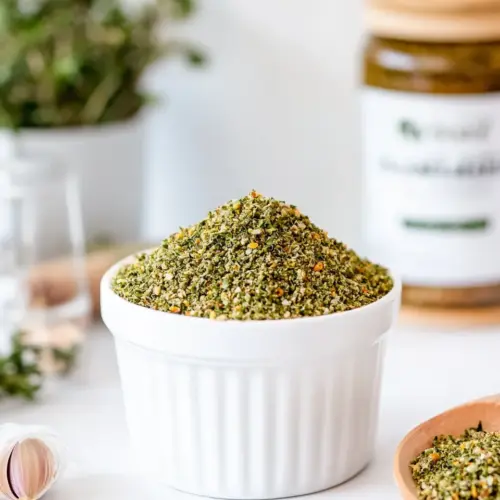
Sazon Completo en Polvo
Sazon Completo en Polvo is a vibrant, homemade Dominican seasoning powder that blends savory garlic and onion with bright herbs for a versatile, easy pantry staple. Creamy when balanced into sauces and crispy when used as a rub, it makes an excellent easy weeknight dinner booster or meal prep essential, and it elevates simple dishes with deep, aromatic flavor.
Equipment
- Food Processor
- Coffee grinder
- Baking Sheet
- Dehydrator
- Oven
Ingredients
- 2 tablespoon garlic powder Enhances savory depth and delivers concentrated garlic aroma; ideal for creating a robust base flavor in the spice mix. Adds long-lasting umami notes that blend smoothly with dried herbs and spices when mixed into the powder.
- 3 tablespoons onion powder Builds sweet, savory backbone with a mild pungency; provides rounded onion flavor that complements garlic and herbs. Helps create balance in the seasoning, contributing a linger of caramel-like notes without moisture.
- 1 tablespoon dry parsley Adds gentle herbaceous brightness and a subtle grassy finish when dried; contributes green color flecks and freshness to the blend. Works as a mild binder for other flavors, enhancing overall complexity without overpowering.
- 1 tablespoon dry cilantro, (optional) Imparts a citrusy, slightly peppery top note when included; optional for a fresher, brighter herbal character. Can lift heavy spices and introduce a faint green, lively nuance to the seasoning mix.
- 1 1/2 teaspoon oregano powder Provides warm, slightly bitter Mediterranean floral notes; helps emulate classic oregano presence in many Latin dishes. Offers an aromatic anchor that pairs well with parsley, garlic, and onion for authentic layering.
- 1 teaspoon pepper (freshly-cracked, or ground) Contributes sharp heat and aromatic bite; freshly-cracked or ground pepper brightens and sharpens the overall seasoning. Balances sweeter dried components and enhances perceived saltiness when used sparingly.
- 1 teaspoon celery powder, (optional) Delivers savory, slightly bitter celery-like undertones; optional for adding depth and a vegetal backbone to the blend. Reinforces savory profiles and can mimic subtle stock-like flavors in dry seasoning.
- 1/2 teaspoon bija (annato, achiote) powder, (optional) Adds mild earthy, slightly nutty color and faint peppery flavor when used; optional for traditional hue and subtle taste influence. Contributes a warm orange tint and a hint of exotic aroma to the mix.
- 1 bunch parsley Provides fresh green parsley aroma and crisp herbal flavor when used fresh; adds bright, clean notes and visual freshness. Can be finely chopped and dried or blended into pastes to intensify herbaceous character.
- 1 bunch thyme Delivers woody, savory aroma and subtle earthy notes; fresh thyme brings complexity and a warm herbal backbone to the mix. Can be stripped of leaves and finely chopped to release essential oils for enhanced flavor.
- 1 bunch cilantro Offers vibrant citrusy, slightly peppery freshness; fresh cilantro supplies a bright finishing note and aromatic lift. Works well to balance richer spices and add a characteristic Latin American herb presence.
- 3 sprigs oregano, (fresh leaves) Introduces intense, pungent oregano freshness; fresh leaves supply sharp herbal and slightly floral tones. Adds a concentrated herb note that contrasts with dried oregano powder to deepen overall flavor.
- 2 large red onion, cut into very thin slices Adds sweet-sharp, slightly astringent allium flavor and a bit of crunch before cooking; very thin slices mellow and caramelize quickly. Provides structural texture and an immediate onion presence that complements the powdered form.
- 2 head garlic, the cloves cut into very thin slices Contributes potent, aromatic garlic flavor and natural sugars that soften when cooked; thinly sliced cloves release strong savory oils. Offers a fresh garlic burst that integrates with powdered garlic to enhance depth.
Instructions
- To make quick seasoning: Mix all the ingredients and store the mixture in an airtight jar. No further steps necessary. To make with fresh herbs: Remove the oregano sticks to leave just the leaves. Spread the parsley, thyme, cilantro, oregano, garlic, and onion on a baking sheet. Continue with the steps below.: Mix all the ingredients and store the mixture in an airtight jar. No further steps necessary. : The moment you open the jar you will smell a compact, savory blend that is instantly usable, with the garlic and onion providing immediate umami and the dried herbs giving aromatic lift. This path is fast, and it works especially well if you already have quality dried powders. One common pitfall is not breaking up clumps before storing, which can lead to uneven distribution when you season. For best results, stir thoroughly and press the powder through a fine sieve to remove lumps, then label and store the jar in a cool, dry cupboard. If the powder seems weak later, toast a small amount in a dry pan briefly to revive the aroma, but avoid overheating, which will dull the flavor.
- Drying in dehydrator: Place in dehydrator for 4-5 hours, or until completely dry (they will crumble when pressed). Drying in oven: Dry on metal tray in the oven at 176 ºC [80 ºC] (or as low as possible) for 4 hours, or until all ingredients are dry (they will crumble when pressed). Drying in microwave: Microwave herbs only (no garlic or onion - see notes) on a microwave-safe tray for 30 seconds. Check to see that they are completely dry (they will crumble when pressed). Microwave for another 10 seconds if they need to be dried some more. The color of the resulting powder will depend on the combination of herbs and the drying method.: Remove the oregano sticks to leave just the leaves. Spread the parsley, thyme, cilantro, oregano, garlic, and onion on a baking sheet. Continue with the steps below. : The first sensory cue here is the bright, green scent as you strip stems and lay leaves out. Arrange everything in a single layer so air moves freely, which prevents uneven drying and off smells. A mistake I sometimes see is crowding the tray, which slows drying and can produce moldy spots. Make sure the pieces are thin and evenly spaced; you'll notice the leaves crisp and the onion and garlic shift from glossy to matte, which signals readiness for the next phase.
- Remove from the oven/dehydrator/microwave and remove the remaining oregano and thyme sticks, leaving only the leaves.: Place in dehydrator for 4-5 hours, or until completely dry (they will crumble when pressed). Drying in oven: Dry on metal tray in the oven at 176 ºC [80 ºC] (or as low as possible) for 4 hours, or until all ingredients are dry (they will crumble when pressed). Drying in microwave: Microwave herbs only (no garlic or onion - see notes) on a microwave-safe tray for 30 seconds. Check to see that they are completely dry (they will crumble when pressed). Microwave for another 10 seconds if they need to be dried some more. The color of the resulting powder will depend on the combination of herbs and the drying method. : As the herbs dry, you'll notice the aroma concentrate and the textures shift from soft to brittle, with leaves crumbling easily between your fingers. In the dehydrator the airflow is gentle and preserves color; in the oven you may lose a little brightness but gain deeper roasted notes. The microwave is quick for herbs but not suitable for thinly sliced garlic or onion because they scorch. Watch closely near the end, because over-drying will brown and impart bitter flavors. A typical error here is using too high heat in the oven, which cooks rather than dries; maintain the lowest temperature you can and rotate trays for even results.
- Pulverize in a food processor or coffee grinder.: After drying, handle the herbs carefully; they are fragile and will crumble into smaller pieces. You should feel dry, papery textures that break cleanly under pressure. Picking out stems prevents fibrous bits from ending up in the final powder, which can make the texture unpleasant. Avoid the mistake of skipping this step, because stems can introduce bitterness and grittiness when ground. Use your fingers to strip any remaining stubborn bits, and give the tray a quick visual inspection to catch missed stems.
- To store, put in an airtight container in a cool, dry place (see notes). Use it to season vegetables, meats, and fish.: The grinding stage releases the final aroma burst and determines texture, from slightly coarse to fine powder. As the blades whirl, you'll hear a steady hum and see the ingredients reduce in size; stop occasionally to tap the container and redistribute larger pieces for even grinding. A common issue is overheating the grinder, which can make volatile oils evaporate and reduce fragrance, so pulse in short bursts and let the machine rest intermittently. If your mix seems uneven, sift it and re-grind the larger fragments until you reach the consistency you prefer. The resulting powder should be uniform and fragrant, ready to season dishes immediately.
- To store, put in an airtight container in a cool, dry place (see notes). Use it to season vegetables, meats, and fish.: When you transfer the finished powder to a jar, smell it once more to confirm the potency, and label it with the date. Store away from heat and direct light to preserve volatile oils; a pantry shelf or cupboard is ideal. Common storage mistakes include leaving the jar near the stove or in a humid area, both of which accelerate flavor loss and clumping. For best longevity, use within a few months and avoid introducing moisture with wet spoons. This seasoning shines when sprinkled toward the end of cooking to preserve its aromatic top notes, or earlier when you want it to meld into sauces and braises.
Notes
- Adjust herb ratios: If you prefer a brighter, greener powder, increase the proportion of fresh parsley and cilantro when drying, which lifts the aroma and adds a fresher top note to the blend.
- Omit optional items if needed: Leave out celery powder or achiote if you do not have them on hand, the core flavor from garlic, onion, and the herb trio remains balanced and effective.
- Make a small test batch: Before committing all your fresh herbs, dry and grind a small portion to confirm the flavor and color outcome, this prevents wasting large amounts of herbs if you want to tweak ratios.
- Label and date jars: Mark the jar with the preparation date so you know peak freshness; homemade blends are best used within a few months for maximum aroma.
- Use coarse or fine grind intentionally: Keep some batches slightly coarser for rubs and others finer for sprinkling into sauces, this gives you options depending on the dish.
- Combine quick and fresh methods: If you lack time, mix a base of dried powders and add a small portion of freshly dried herbs to boost brightness without full-process time investment.