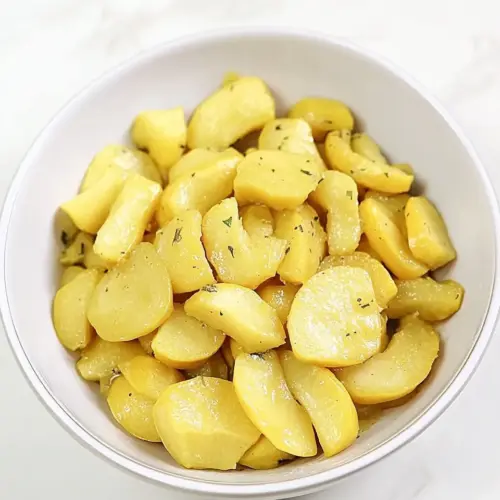
Sautéed Yellow Squash
Sautéed Yellow Squash is a quick, tender skillet side with garlicky aroma and light caramelized edges, perfect for an easy weeknight dinner. The soft, slightly sweet yellow squash pairs beautifully with olive oil and a sprinkle of cheese or basil for contrast. Make it when you want a simple seasonal vegetable dish that feels fresh and satisfying.
Equipment
- Storage Containers
- Cutting Board
Ingredients
- 2 medium yellow squash Sliced thinly and sautéed until tender, provides a mild, slightly sweet base and soft texture that soaks up seasonings and fat; cooks quickly so add toward the end to avoid becoming mushy.
- 1 tablespoon olive oil (or unsalted butter) Coats the pan to prevent sticking and adds richness and flavor; choose olive oil for a fruity note or unsalted butter for a creamier, more indulgent finish while controlling added salt.
- 1/4 teaspoon salt Enhances and balances flavors by reducing bitterness and bringing out natural sweetness; sprinkle modestly during cooking to season evenly without overpowering the squash.
- Shredded Parmesan, cheddar cheese, fresh basil, crushed red pepper, cracked black pepper (optional) Sprinkles or stirs in at the end for optional complexity and finishing touches: cheeses add savory creaminess, basil brings fresh herbal brightness, and crushed red pepper or black pepper contribute heat and aromatic bite.
Instructions
- Cut the ends off of the yellow squash and discard. Slice into 1/4-inch rounds or sticks about the size of your finger.: When you slice away the ends you’ll notice a clean, slightly sweet vegetal scent. Doing this trims any tough bits and helps you create even pieces. The texture at the edges can be firmer, so removing them assures tenderness. A common misstep is not stabilizing the squash while cutting, so it’s safer to set it flat on a cutting board and press gently with your palm to steady it.
- Peel and slice the garlic.: As you slice, watch the surface of the squash for a moist sheen, and feel how each piece holds together. Rounds will brown on potentially two faces while sticks offer a different mouthfeel for baby led weaning. Uniform thickness ensures even cooking; if pieces vary a lot, some will overcook while others remain underdone.
- Add the olive oil to a medium skillet over medium heat. When warm, add the garlic. Cook for 2 minutes, or until starting to become fragrant.: Fresh garlic sliced thin will release a sharper aroma than minced, and as it hits warm fat it softens and becomes nutty. You’ll smell a fragrant garlic perfume after about a minute, which is your cue to add the next ingredient. Avoid letting garlic turn dark brown as that signals bitterness, so reduce the heat if it begins to brown too quickly.
- Add the squash. Toss to coat with the oil. Cover and cook for 10-12 minutes, turning once or twice, or until the squash is very soft when poked with a fork. Sprinkle with salt.: Warmth on your hand near the pan will help you detect rising heat, and the oil should shimmer gently when ready. This shimmering indicates the oil is hot enough to produce a soft sizzle when ingredients are added. If the oil smokes you’ve gone too hot and should lower the heat and start over to avoid burnt flavors.
- Serve one piece at a time to your child if doing baby-led weaning or add toppings and serve.: The moment the garlic hits the oil you’ll hear a delicate sizzling and the scent will lift almost immediately. Gently stir so the garlic infuses the oil, and keep the heat steady so it softens without burning. Stirring too vigorously can bruise the garlic, which makes it cook unevenly, so a gentle motion is best.
- Cook for 2 minutes, or until starting to become fragrant: During these two minutes pay attention to the aroma and the small color change at the garlic edges. This fragrant window is brief, and it’s important because it releases the garlic flavor into the fat which then flavors the entire dish. Leaving garlic in oil past this fragrant stage can lead to bitterness, so time it carefully.
- Add the squash: When the squash goes into the pan you’ll hear a louder sizzle and see moisture bead from the pieces. Tossing them immediately helps coat each slice in the garlic infused oil so flavors distribute evenly. Crowd the pan too much and the squash steams rather than sautés, so keep pieces in a single layer when possible.
- Toss to coat with the oil: As you toss the pieces the cooking surface develops small golden contact marks, which is a visual confirmation of caramelization beginning. Proper coating means every bite will carry the garlic and oil flavors. Using too much force while tossing can break delicate slices, so be gentle and deliberate.
- Cover and cook for 10 to 12 minutes, turning once or twice, or until the squash is very soft when poked with a fork: With the lid on, steam helps the interior of the squash become tender while the occasional turn lets the edges caramelize. You want a fork to glide in easily yet still feel a subtle resistance if you prefer bite, or glide completely if you like it very soft. Lifting the lid too frequently releases heat and slows cooking, so open only to turn and check doneness.
- Sprinkle with salt: A final sprinkle should be timed so the salt dissolves into the warmed squash, enhancing natural sweetness. Salt late in the process avoids drawing out too much water early on which could prevent browning. Over-salting at this stage is easy because flavors concentrate as moisture evaporates, so taste before adding more.
- Serve one piece at a time to your child if doing baby led weaning or add toppings and serve: For little ones, serving single pieces ensures manageable bites and an opportunity to watch how they handle texture. When plating for adults, add your chosen toppings so each portion has contrast in texture and flavor. A mistake to watch for is letting toppings sit too long on hot squash, which will melt cheese completely and hide textural contrast.
Notes
- Choose medium squash: Picking medium sized yellow squash gives you a sweet flavor and small seeds, which makes the texture more pleasant when cooked. Large ones tend to hide large seed cavities that create watery pockets.
- Control your heat: Keep the skillet at medium so the olive oil warms and the garlic perfumes the pan without burning, this balance ensures a golden, not bitter, finish.
- Uniform slicing: Cut the squash into consistent 1/4 inch rounds or similar sticks to ensure even cooking so all pieces finish at the same time and you avoid mixed textures on the plate.
- Finish with bright herbs: Add chopped basil just before serving so it preserves aroma and color, herbs wilt quickly on hot squash and lose visual appeal if added too early.
- Use toppings sparingly: If you choose Shredded Parmesan or cheddar cheese, sprinkle a light amount so the salty, savory boost complements rather than overwhelms the delicate squash flavor.
- Serve immediately: This dish is best eaten right away, as the texture transitions from pleasantly tender to soft if left standing, so time it to finish while the rest of the meal is hot.