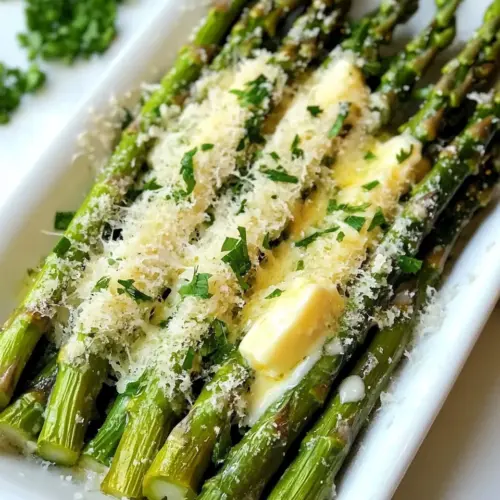
Sauteed Asparagus with Butter and Parmesan
Sauteed Asparagus with Butter and Parmesan is a quick, savory side that combines tender bright asparagus with rich butter and nutty Parmesan. Crisp tender stalks get a silky coating and a sprinkle of fresh parsley, making this an easy weeknight side or elegant addition to a spring dinner, perfect for when you want something simple yet impressive.
Equipment
- Large Skillet
- Peeler
- Tongs
Ingredients
- 1 1/2 pounds asparagus, trimmed Trimmed and tender, adds crisp, vegetal flavor and a pleasant snap when sautéed; provides the main bulk and bright green color to the dish. Delivers subtle sweetness and earthy notes that pair well with butter and Parmesan, and wilts slightly to absorb seasonings. Can be cut into uniform pieces to ensure even cooking and attractive presentation.
- 3 tablespoons unsalted butter Coats and enriches the asparagus with a glossy, savory mouthfeel while facilitating even browning during sautéing. Melts quickly to carry salt and pepper, helping distribute flavor across the spears; contributes a rich, slightly nutty dairy profile that complements the cheese. Should be melted gently to avoid browning too rapidly.
- 1/2 teaspoon kosher salt Season and enhance the natural flavors by bringing out the asparagus' sweetness and balancing the butter's richness. Dissolves easily to penetrate the vegetable, promoting proper seasoning without overpowering the other components. Use measured amount to control overall saltiness.
- 1/4 teaspoon freshly ground black pepper Provide a sharp, mildly spicy edge that cuts through the richness of butter and cheese, adding aromatic depth to the finished dish. Releases volatile oils when cracked or ground, which bloom during cooking and heighten overall flavor perception. Adjust to taste to maintain a balanced seasoning profile.
- 1 tablespoon minced fresh Italian parsley Add fresh, herbaceous brightness and a hint of peppery, grassy flavor that lightens the richness of the butter and Parmesan. Minces finely so it distributes evenly across the asparagus, contributing visual contrast and a lively finish. Stir in near the end of cooking to preserve color and aroma.
- 1/4 cup freshly grated Parmesan cheese Sprinkle a salty, umami-rich finish that melts slightly from the residual heat and binds flavors together with a savory, cheesy note. Provides depth and a nutty complexity that elevates the simple sauté, while also adding a creamy mouthfeel when combined with the butter. Use freshly grated cheese for optimal texture and flavor.
Instructions
- Trim thick asparagus with a peeler, leaving them 1/2-inch thick, or snap off or cut the rough ends.: The moment you trim, you notice the crisp snap and the slight vegetal scent of the cut stalks, which promises freshness. Trimming removes the fibrous base that can be stringy and tough, ensuring each spear warms through evenly. Use a peeler on thicker stalks to shave down woody sections, and for thinner ones, snap where the natural break occurs. A common mistake is leaving too much woody end, which results in chewy bites; if you see fibrous, pale interior, trim a bit more. Proper trimming also shortens cooking time so the color remains bright and the texture stays lively.
- Melt the butter in a large skillet over medium heat. Add the asparagus and season with salt and pepper. Cook, stirring often, until the asparagus is just tender, 5 to 6 minutes, lowering the heat if needed to keep the asparagus from browning. Don't overcook, the asparagus will soften a little more as it cools. Remove the pan from heat. Sprinkle in parsley and 3 tablespoons of the cheese.: As the butter liquefies, it releases a warm, toasty aroma and begins to foam slightly as the water content evaporates. This is the flavor carrier for the asparagus; the small brown flecks that appear when the milk solids toast add a subtle nuttiness. Keep the heat steady at medium to avoid burning, which would impart bitterness. If the butter starts to smoke, lower the heat and wipe the pan if necessary before continuing. Many cooks rush this step and end up with scorched butter, so patience here pays off in a richer, cleaner taste.
- Transfer to a serving dish, and top with the remaining cheese. Serve immediately.: When the spears hit the hot butter , you will hear an immediate sizzle, and the pan fills with a fresh, green scent mingled with butter. Spread the asparagus in a single layer if possible so each stalk touches the surface, promoting even browning and cooking. Sprinkle the salt and pepper to begin flavoring the vegetables as they heat. Resist the urge to overcrowd the pan, which can trap steam and make the asparagus soggy; if the pan is cramped, cook in batches for the best texture.
- Cook, stirring often, until the asparagus is just tender, 5 to 6 minutes, lowering the heat if needed to keep the asparagus from browning: As you stir, watch for a glossy sheen and a brighter green hue; the tips should remain slightly crisp while the midsections give under gentle pressure. The gentle movement prevents one side from overcooking and encourages uniform tenderness. If you see dark, burnt spots forming, lower the heat; burnt areas taste bitter and mask the natural sweetness. The auditory cue is a soft sizzle rather than a violent crackle, indicating the moisture is evaporating at the right pace.
- Dont overcook, the asparagus will soften a little more as it cools: Right after removing from heat, the asparagus will continue to relax in texture, so aim for a firm tender stage on the stove. You should be able to bite through without resistance, yet the stalk should not be floppy. Overcooking makes the stalks dull in color and mushy in mouthfeel, which is hard to reverse. If you overshoot, shock the asparagus in an ice bath to halt cooking, but ideally watch the clock and test a spear early to avoid that fix.
- Remove the pan from heat: Pulling the skillet off the burner stops carryover cooking and preserves the vivid green color. At this point the residual heat is enough to finish any gentle softening without pushing the vegetable into the overdone zone. Also, removing from heat prevents the Parmesan from melting too quickly into a greasy puddle when added immediately. Avoid leaving the pan on a hot burner as that continued exposure will continue to cook and darken the asparagus.
- Sprinkle in parsley and 3 tablespoons of the cheese: The aroma shifts as you add minced parsley , releasing a fresh, herbaceous brightness that contrasts the richness of the butter . Adding some of the Parmesan at this stage allows it to melt slightly into the warm pan, creating a silky coating on the spears. Stir gently so the herbs and partly melted cheese distribute evenly. A common error is adding all the cheese now, which can cause it to clump; reserve some to finish the dish and maintain texture contrast.
- Transfer to a serving dish, and top with the remaining cheese: When you plate, the steam lifting from the asparagus carries a heady mix of butter and cheese aromatics that signals readiness. The final sprinkle of Parmesan sits atop the warm spears, softening but maintaining a little granular texture that offers a pleasant contrast. Serve right away while the dish is fragrant and warm. Letting it sit too long will cause the spears to lose their snap and the cheese to become uniformly melty, diminishing the appealing textures.
- Serve immediately: The ideal moment to taste is right after plating, when the temperature, texture, and aromatic balance are at their peak. This dish is best enjoyed warm, as cooling reduces the butter silkiness and firms the asparagus. If you find leftovers, reheat gently over low heat to avoid further softening, but fresh is always preferable.
Notes
- Butter alternatives: If you prefer a lighter fat, you can use olive oil in the same amount. Olive oil adds fruity, peppery notes and reduces richness, but be mindful that it will not deliver the same silky mouthfeel as butter. Use medium heat to avoid smoking the oil.
- Cheese handling: Freshly grated Parmesan melts more gracefully than prepacked varieties. Grate it just before serving to maximize aroma and prevent clumping. If a drier parmesan is all you have, add it at the end so it doesnt overheat and grain up.
- Even cooking: For uniformly cooked spears, sort the asparagus by thickness and group similar stalks together when placing in the pan. Thicker stalks can be partially shaved with a peeler to match cooking times without slicing them into smaller pieces.
- Herb options: While the recipe uses Italian parsley, other fresh herbs like chives or tarragon can add unique flavors. Use small amounts to avoid masking the inherent asparagus flavor, and add them off heat to maintain brightness.
- Salt timing: Salting early helps concentrate flavor, but if you are watching sodium, season lightly while cooking and finish with a small sprinkle after tasting. Kosher salt is forgiving and easy to adjust by tasting as you go.