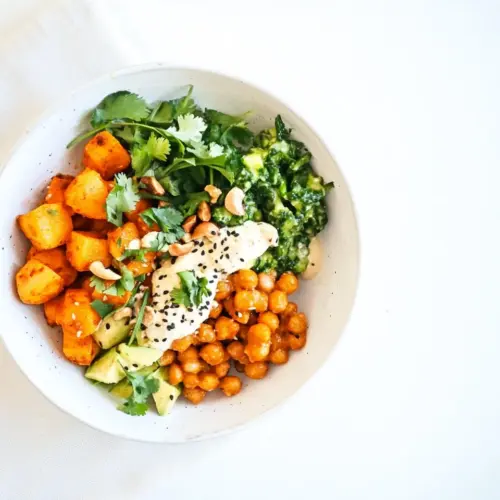
Sara’s Amazing Tahini Dressing Hippie Bowl
Sara’s Amazing Tahini Dressing Hippie Bowl is a creamy, crunchy, easy to assemble bowl with a nutty tahini dressing, spiced sunflower seed crunch, and hearty brown rice for an easy weeknight dinner. Bright citrus and miso bring depth while avocado and chickpeas make it satisfying and nourishing, perfect when you want a wholesome, flavorful meal that is simple to pull together.
Equipment
- Mixing Bowl
- Whisk
- Medium sauté pan
- Spoon
Ingredients
- 1/2 cup tahini Creamy and nutty binder that provides the tahini base for the dressing, lending a rich texture and sesame flavor to coat the bowl ingredients evenly. Helps emulsify other liquids and adds healthy fats for mouthfeel and satiety. Balances savory and sweet components when combined with acid and sweeteners.
- 2 tbsp mellow miso Umami-rich paste that deepens the flavor profile of the dressing, adding savory complexity and a subtle fermented tang. Helps round out the richness of tahini and balances sweet and acidic notes. Dissolves easily into liquids to create a cohesive sauce.
- 2 tbsp honey or maple syrup Sweetener that counterbalances the savory elements in the dressing while adding a mellow caramel-like note; maple syrup can be used as a vegan alternative. Contributes to the overall harmony between salt, acid, and spice in the sauce. Helps achieve a smooth, slightly sweet finish on the bowl.
- 1 tbsp sesame oil Aromatic oil that adds toasted, sesame-forward flavor and enhances the dressing's nutty character without overpowering other ingredients. Provides a glossy finish and aids emulsification when whisked with tahini and liquids. Enhances aroma and richness in each bite.
- 2 tsp sriracha or hot sauce Spicy enhancer that brings heat and a touch of umami to the dressing, allowing control over the bowl's spiciness. Balances the sweetness and acidity while adding complexity to the sauce. Can be adjusted to taste for mild to bold heat levels.
- 1 tbsp rice vinegar Acidic component that brightens flavors and adds a gentle tang to cut through the richness of tahini and oil. Helps balance sweetness and savory elements and contributes to a well-rounded dressing. Integrates smoothly for a light, clean finish.
- juice of 1 large orange Citrus juice that imparts sweet-tart brightness and fruity acidity, lifting the dressing and complementing earthy and nutty flavors. Adds fresh aroma and helps thin the tahini to a pourable consistency. Enhances overall vibrancy in the bowl.
- salt + pepper Seasoning that adjusts savory balance and deepens flavor; used sparingly to enhance other components without overwhelming them. Allows customization of saltiness and peppery bite to personal preference. Crucial for rounding the dressing to taste.
- lemon juice, to taste Bright acid that adds fresh citrus lift and can be adjusted to personal preference to enhance overall flavor balance. Helps cut richness and bring clarity to the bowl's components. Used to taste for precise brightness.
- water, as needed Diluent used to adjust dressing consistency to desired creaminess and pourability without altering flavor significantly. Allows control over thickness so the dressing can coat or drizzle as preferred. Added sparingly until the correct texture is reached.
- 3/4 cup raw sunflower seeds Crunchy, nutty base for the toasted sunflower seed topping that adds substantial texture and savory richness when roasted or raw. Supplies plant-based protein, healthy fats, and a contrasting bite for grains and greens. Can be seasoned to amplify flavor.
- 1 tbsp maple sugar Granulated sweetener that caramelizes slightly when heated and adds a mild maple flavor to toasted seeds or dressings. Enhances browning and provides a subtle sweetness to balance savory and spicy elements. Useful for finishing roasted toppings.
- 1/2 tsp cayenne pepper Warm spice that brings a lively heat and subtle smokiness to seed toppings or dressings, adding complexity and a gentle kick. Complements nutty, sweet, and savory components while creating contrast in flavor. Use measured amounts to avoid overpowering.
- sea salt, to taste Seasoning used to finish roasted seeds or savory components and calibrate overall saltiness to taste without masking other flavors. Enhances natural flavors and brings balance to sweet and spicy elements. Added at the end for precise seasoning control.
- 1 tbsp olive oil Light oil that adds a fruity, rounded mouthfeel to roasted seeds or tossed grains while aiding in even browning and flavor distribution. Helps herbs and seasonings adhere to ingredients and contributes healthy monounsaturated fats. Can be used for dressing or sautéing.
- 1 clove garlic, minced Pungent aromatics that inject savory depth and freshness when minced and combined with oils or dressings, enhancing overall savoriness. Provides a sharp background note that elevates bland components and complements roasted seeds and grains. Use minced to distribute flavor evenly.
- 1 small bunch of kale, stems removed and leaves chopped Hearty green base that contributes robust texture and earthy, slightly bitter flavor after massaging or steaming; provides vitamins, fiber, and visual volume to the bowl. Benefits from removing stems and chopping for easier eating and dressing adhesion. Pairs well with citrus and tahini for balanced taste.
- lemon juice, to taste Citrus acid that adds bright freshness to greens, helping to tenderize and lift bitter notes while enhancing overall flavor harmony. Used to taste to achieve desired brightness and to complement the nutty dressing. Helps preserve color and adds a lively finish to salads.
- 2 cups cooked brown rice Wholesome grain that provides chewy texture, fiber, and a nutty foundation to the bowl, absorbing flavors from dressing and toppings. Acts as a sustaining base to make the meal satisfying and balanced. Works well served warm or at room temperature.
- 1 -1 1/2 cup cooked chickpeas Protein-rich legume that offers creamy texture and savory heft, balancing grains and greens for a complete plant-based meal. Contributes additional fiber, protein, and a satisfying mouthfeel when cooked to tender consistency. Quantity can be adjusted for heartiness.
- 2 -3 carrots, peeled into ribbons Fresh vegetable ribbons that add crispness, slight sweetness, and visual appeal while providing a tender crunch and raw freshness. Serve peeled into ribbons to create delicate texture and a pleasant contrast with cooked grains and creamy elements. Complements the bowl's colors and flavors.
- 2 big handfuls sunflower sprouts (or other sprouts/shoots you like) Delicate sprouts that deliver a fresh, peppery, and slightly nutty crunch, enhancing texture and adding microgreens-level nutrition. Provide visual brightness and a light herbal note that complements heavier components. Best added raw for maximum freshness.
- 1 ripe avocado, peeled and quartered Creamy fruit that supplies rich, buttery texture and healthy fats, bringing a silky contrast to crunchy and chewy elements. Adds richness and a cooling mouthfeel that pairs well with spicy, tangy, and nutty flavors. Slice or quarter for easy assembly and presentation.
Instructions
- In a mixing bowl, whisk together the tahini, miso, honey, oil, and hot sauce to combine. Then, whisk in the vinegar, orange juice, salt, and pepper. Taste the dressing and adjust seasoning if necessary. Thin the dressing with water or lemon juice, 1 tablespoon at a time, if needed. Dressing will keep in the fridge for 2 weeks.: The moment you whisk these ingredients you will notice a glossy sheen forming, and the scent of toasted sesame oil will rise. This is the foundation of the dressing and it matters because the emulsified fat binds flavors to the bowl components, helping the tahini coat the brown rice and kale rather than just pooling. While whisking, taste frequently so the sweetness of the honey or maple syrup and the umami from the miso remain balanced, and avoid overmixing once water is added as it can thin too quickly. A common mistake is adding too much water at once which makes the dressing runny; instead add liquids a tablespoon at a time until you reach a satin pourable texture.
- For the sunflower seeds, heat a medium sauté pan over medium heat. Add the sunflower seeds to the pan and toast them, stirring occasionally, until fragrant, about 2-3 minutes. Add the maple sugar, cayenne pepper, and salt. Stir the seeds to combine and keep stirring them until spices/sugar lightly coat/stick to each kernel, about 8-10 minutes. Cool and set aside.: As you incorporate the rice vinegar and fresh orange juice, the dressing brightens and the aroma lifts, with citrus notes cutting through the tahini richness. This acidic touch is key to keep the bowl lively and prevents it from feeling cloying. Stirring until the mixture is homogeneous ensures the tartness is evenly distributed, eliminating pockets of sharp vinegar. Watch for over-salting by adding salt gradually; too much can mute the citrus vibrancy, and the rescue for that is a little more acid or a touch more sweetener.
- Lightly wipe out the sauté pan that you used for the seeds and return it to the heat with the 1 tablespoon of olive oil. Add the garlic to the pan and stir until fragrant, about 15 seconds. Add the chopped kale and stir immediately. Season kale with salt and pepper. Keep stirring the kale until it’s all evenly wilted. Add a big squeeze of lemon juice and stir to distribute. Remove pan from the heat.: When you taste, focus on balance; the dressing should be nutty, mildly sweet, and pleasantly tangy with a hint of heat from the sriracha . I recommend tasting with a piece of rice or a spoonful of chickpeas so you understand how it will pair in the bowl. If it feels flat, a small pinch of salt or another squeeze of orange or lemon juice will liven it. Avoid overcompensating with more sweetener, because that can make it syrupy; instead add acid to brighten.
- In two big, shallow bowls, evenly divide the cooked brown rice, chickpeas, carrot ribbons, sunflower sprouts, avocado, and cooked kale. Top bowls with tahini dressing and spiced sunflower seeds.: As you thin, the texture moves from thick paste to a silky sauce that will drizzle. The sound is subtle, just a smooth ribbon as the dressing drops from a spoon, and visually you want it to coat without pooling. Use water for neutral thinning, or lemon juice if you want extra zip. A frequent error is rushing and adding too many tablespoons, which forces you to rebalance sweetness and salt, so proceed slowly.
- Dressing will keep in the fridge for 2 weeks: Stored cold, the flavors continue to marry and mellow, and the texture may thicken; stirring or adding a tablespoon of water revives it. The aroma becomes more integrated over time, and you may notice the miso rounding out the edges. Do watch for separation, which is normal; whisk briefly before using. Do not leave it out for long periods, because the fresh citrus can reduce shelf life compared to a plain oil and vinegar emulsion.
- For the sunflower seeds, heat a medium sauté pan over medium heat: When the pan is hot you will sense a dry warmth that promises good toasting, and that is what gives the seeds their nutty aroma. This step builds the crunch that contrasts the creamy components, and the toasting must be done carefully; stir frequently to avoid burning. An overheated pan will scorch the seeds quickly, so keep the heat in the moderate range and use an even layer so each seed gets contact with the pan.
- Add the sunflower seeds to the pan and toast them, stirring occasionally, until fragrant, about 2 to 3 minutes: As they toast, the seeds will darken slightly and you will smell a warm, nutty perfume that signals readiness. Keep them moving so they brown evenly and do not scorch, and listen for a faint popping sound when they are near done. If you smell any smoky or bitter notes, pull the pan from the heat right away, because burned seeds taste unpleasant and cannot be rescued.
- Add the maple sugar, cayenne pepper, and salt: When you toss the toasted seeds with maple sugar and cayenne pepper , the sugar begins to melt and cling, forming a shiny glaze while the cayenne provides a background warmth. Stir continuously so the sugar melts evenly and coats each seed. The visual cue is a glossy surface on the seeds and a darker, caramelized color. Avoid high heat here because the sugar can quickly go from caramelized to burnt.
- Stir the seeds to combine and keep stirring them until spices sugar lightly coat stick to each kernel, about 8 to 10 minutes: You want a uniform coating, so patience is important. The process creates a sweet crunchy shell that contrasts beautifully with the soft avocado and brown rice . If the coating seems clumpy, lower the heat and keep stirring; clumps can harden into brittle shards that overpower the bite.
- Cool and set aside: Cooling is essential so the glaze firms and the seeds achieve maximum crunch. Lay them out on a sheet to stop the cooking and avoid stacking which causes steaming and sogginess. Proper cooling preserves texture; failing to cool fully will yield seeds that lose snap and become chewy.
- Lightly wipe out the sauté pan that you used for the seeds and return it to the heat with the 1 tablespoon of olive oil: A quick wipe removes any residual sugar that could burn when you cook the garlic and kale . Reheating the pan with fresh olive oil gives a clean medium for the greens to wilt properly. If you skip wiping, sticky residue can caramelize and create off flavors.
- Add the garlic to the pan and stir until fragrant, about 15 seconds: The aroma of the garlic will bloom fast, scenting the oil and signaling that the pan is ready for the kale . Keep the garlic moving to prevent browning, because burnt garlic tastes bitter. This brief moment builds an aromatic base that flavors the entire batch of greens.
- Add the chopped kale and stir immediately: When the kale hits the hot oil it wilts and surrenders steam, softening while retaining bright green color. Stirring immediately ensures even heat distribution and that no leaves sit too long against the pan and scorch. The sizzle should be audible but not violent; if it snaps loudly, the pan may be too hot.
- Season kale with salt and pepper: Seasoning as the greens cook helps draw out moisture and season them through, rather than just sitting on the surface. You will notice the flavors marrying as the leaves shrink and become glossy. Avoid oversalting; you can always add more at the end if needed.
- Keep stirring the kale until it’s all evenly wilted: As you stir, the leaves will go from stiff to silky and sound will change from a loud sizzle to a softer hiss, indicating moisture release. This even wilting ensures each bite has pleasant texture. A common error is leaving large stems in which remain fibrous, so remove stems beforehand.
- Add a big squeeze of lemon juice and stir to distribute: The lemon juice brightens the cooked greens and cuts any lingering bitterness, and the steam helps it disperse quickly. You will see the leaves glisten as the acid hits them, and the aroma will lift. If the greens taste flat, a touch more acid will usually fix it.
- Remove pan from the heat: Letting the kale rest off heat preserves its tender texture without overcooking. The residual warmth finishes the wilting, and stepping away from the stove prevents limp, overdone greens. If left on heat too long they can become mushy and lose their vibrant color.
- In two big, shallow bowls, evenly divide the cooked brown rice, chickpeas, carrot ribbons, sunflower sprouts, avocado, and cooked kale: As you layer, think about contrast and color so each forkful hits a little of everything. The warmth of the brown rice and kale against the cool avocado and crunchy carrot ribbons creates a beautiful mouthfeel. Arrange ingredients so the bowl looks inviting and balanced, and avoid piling everything in one clump which can make it harder to get varied bites.
- Top bowls with tahini dressing and spiced sunflower seeds: Finish by drizzling the glossy dressing and scattering the crunchy seeds for texture. The final visual cue is a glossy, slightly pooled dressing and a sprinkling of golden seeds. Serve immediately so the seeds stay crisp and the textures remain distinct.
Notes
- Warm grains first Warm the brown rice slightly so it absorbs the dressing better and creates a comforting base for the bowl.
- Adjust dressing thickness If the dressing firms up in the fridge, stir in a tablespoon of water or lemon juice to loosen it and restore a silky texture.
- Control the heat When toasting and glazing the sunflower seeds, keep the pan at medium so the sugar melts without burning and the seeds develop a glossy coat.
- Prep components ahead You can make the dressing and the spiced seeds up to two weeks in advance for quicker assembly on busy days.
- Serve right away Assemble bowls just before eating to preserve the crunch of the seeds and the creaminess of the avocado.