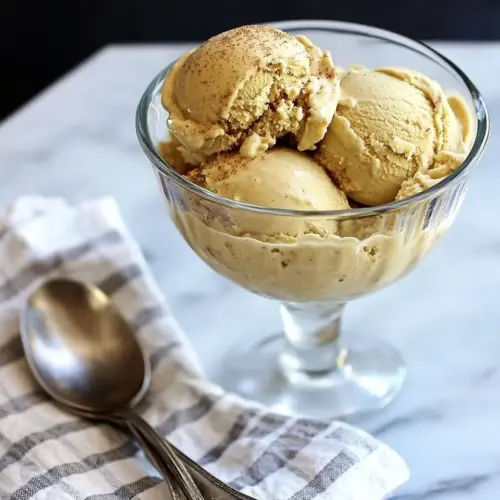
Roasted Pumpkin Five Spice Ice Cream
Roasted Pumpkin Five Spice Ice Cream delivers creamy, warmly spiced frozen indulgence with real roasted pumpkin puree and aromatic Chinese five spice. This easy to make fall treat blends honeyed sweetness, rich heavy cream, and a silky cream cheese touch for a smooth scoopable texture, perfect for cozy gatherings or an easy weeknight dessert. Make it to impress and savor seasonal depth.
Equipment
- Oven
- Baking Sheet
- Aluminum Foil
- Knife
- Food Processor
- Blender
- Medium Saucepan
- Whisk
- Ice Cream Maker
- Large Bowl
Ingredients
- 1 small pie pumpkin (about 2 pounds or 3/4 cup pumpkin puree) Roast and puree to lend a silky, naturally sweet pumpkin base that brings warm autumnal flavor and body to the ice cream; helps provide color and a smooth texture when blended with dairy.
- 2 cups whole milk Heat and combine as the primary dairy liquid to carry flavor, contribute creaminess, and help dissolve sugars and cornstarch for a smooth custard base.
- 4 teaspoons cornstarch Dissolve into a small amount of cold milk to thicken the custard gently when heated, stabilizing the mixture and preventing a runny ice cream texture.
- 3 tablespoons cream cheese, softened Soften and whisk in to add tangy richness and enhance mouthfeel, contributing to a creamier, slightly tang-forward finished ice cream.
- 1/4 teaspoon fine grain sea salt Sprinkle and balance flavors by enhancing sweetness and rounding out the spices; also helps control the perception of sweetness for a more complex profile.
- 1/4 cup honey Drizzle and sweeten naturally while contributing subtle floral notes and depth; helps keep the churned ice cream tender and scoopable.
- 1 1/4 cup heavy cream Whip or fold to add luscious fat and lightness, increasing richness and improving the overall creamy, airy texture in the final frozen dessert.
- 2/3 cup packed light brown sugar Melt and caramelize into the base to provide deep, molasses-like sweetness and complex flavor that complements the pumpkin and spices.
- 2 tablespoons light corn syrup Incorporate to prevent excessive crystallization by interfering with sugar crystallization, while also adding shine and a soft texture to the ice cream.
- 1 tablespoon Chinese five-spice powder Sprinkle and infuse a fragrant, warm spice profile that pairs with pumpkin; adds aromatic top notes and a subtle savory complexity to the frozen custard.
Instructions
- Preheat the oven to 400°F. Line a baking sheet with aluminum foil.: The kitchen will smell faintly of metal and warmth as the oven comes up to temperature, creating the controlled heat needed to caramelize the pumpkin exterior. Using foil helps catch any drips for easy cleanup, and a fully preheated oven guarantees even roasting. A common misstep is opening the oven too often, which interrupts steady heat and prolongs roasting time, so resist peeking repeatedly.
- Cut the pie pumpkin in half and scoop out the guts (seeds and strands). Place the pumpkin cut side down on the prepared baking sheet and roast for 35 - 40 minutes. You will know the pumpkin is ready when an inserted knife meets no resistance. Let cool.: As the pumpkin roasts you'll notice the aroma shift from raw vegetal to nutty and sweet, with edges taking on a light caramel color. The sound is mostly quiet, but you may hear a gentle crackle if the surface browns. The knife test is crucial because undercooked pumpkin yields watery puree, while overcooked flesh can taste burnt. Avoid slicing too thin; thicker halves roast more evenly.
- Scoop the flesh from the skin and place in a food processor or blender. Discard skin. Puree the flesh until completely smooth. Measure out 3/4 cup pumpkin puree and set aside. You can use the remaining puree in other dessert or cocktail recipes (or to make pumpkin spice lattes!).: The texture should be silk smooth, no fibrous strings remaining, and the color will be a deep, roasted orange. When pureeing, pulse first then blend continuously to prevent overheating the motor. If the puree feels grainy, blend a bit longer; a gritty texture indicates underprocessed fibers which will affect the mouthfeel of the ice cream.
- In a small bowl, add 2 tablespoons whole milk and cornstarch, stirring to combine. Set aside.: This slurry must be lump free and feels slightly viscous on the tongue; it will thicken the base without eggs. Stir until completely dissolved, because any bits of cornstarch can form gelatinous clumps when heated. A common error is adding cornstarch directly to hot liquid, which creates unsightly lumps and uneven thickening.
- Add softened cream cheese and fine grain sea salt to a medium bowl and whisk until smooth. Add the 3/4 cup pumpkin puree and honey, whisking until smooth. Set aside.: The bowl should feel warm from your hands as you whisk, and the mixture should become glossy and homogenous, with sweet floral notes from the honey melding into the pumpkin. Properly softened cream cheese integrates seamlessly, so if you feel resistance while whisking, give the cheese a few more minutes at room temperature to avoid lumps.
- Prepare an ice bath in a large bowl (cold water and ice).: The ice bath will be the shock that stops cooking and preserves texture and color. It should be deep enough to hold the bowl with the custard base while allowing ice to make contact with the bowl exterior. Forgetting the ice bath can lead to overcooking residual heat and a grainier final product.
- In a medium saucepan, combine remaining whole milk, heavy cream, light brown sugar, corn syrup and Chinese five-spice, stirring to combine. Bring the mixture to a boil over medium high heat and let bubble for 4 minutes. Remove the saucepan from the heat and gradually whisk in the milk-cornstarch mixture.: As this comes to a boil, aromas of caramel and spice will blossom, and the sugar will dissolve into a glossy syrup. Letting it bubble for the specified time ensures that sugars are fully incorporated and corn syrup has integrated, helping control crystallization. When whisking in the slurry, add it slowly to prevent sudden thickening. A common mistake is rushing this step, which yields uneven texture.
- Bring the mixture back to a boil over medium high heat, stirring frequently. Cook until slightly thickened (about 1 minute). Remove from the heat.: You'll see the liquid cling a little to the back of a spoon, and the steam will be heavy and scented with five spice. This brief thickening activates the cornstarch and builds body. Overcooking can make the mixture gummy, so watch carefully and pull it off as soon as it shows a noticeable coat on the spoon.
- Slowly pour the hot milk mixture into the cream cheese-pumpkin mixture, whisking until smooth. Float the bowl containing the ice cream base in the prepared ice bath and chill until cold (about 30 minutes). Stirring the mixture occasionally can speed this process up.: As you combine the hot and cold components you'll notice the steam diminish and the surface gloss form; the texture will shift from loose to slightly syrupy. The ice bath halts cooking and preserves the silkiness created by the cream cheese. Skipping gradual tempering can scramble the dairy and make the texture grainy, so pour slowly and whisk continually.
- Refrigerate until thoroughly chilled (at least 4 hours). Freeze ice cream base in an ice cream maker according to the manufacturer’s instructions. Finish by freezing the ice cream until hard or enjoy soft immediately.: Once chilled, the mixture will have a cohesive, cool sheen and a concentrated pumpkin aroma. Churning aerates the base, giving it that light scoopable quality, while final freezing firms it up. Do not rush the chilling stage; warm base into the churn creates large ice crystals and a coarse texture. If your machine is small, churn in batches for consistent results.
Notes
- Boost the roast: Try roasting until the edges caramelize deeply for more toasty, nutty notes that cut through the creaminess.
- Reduce spice intensity: If you prefer a milder profile, start with half the Chinese five spice and adjust after chilling the base.
- Swap sweeteners cautiously: You can use maple syrup in place of honey for a woodier sweetness, but reduce other liquids slightly to maintain texture.
- Increase silkiness: Add an extra tablespoon of cream cheese for an even smoother mouthfeel and a touch more tang.
- Make ahead strategy: Roast the pumpkin up to three days in advance and store the puree airtight in the refrigerator for convenience.