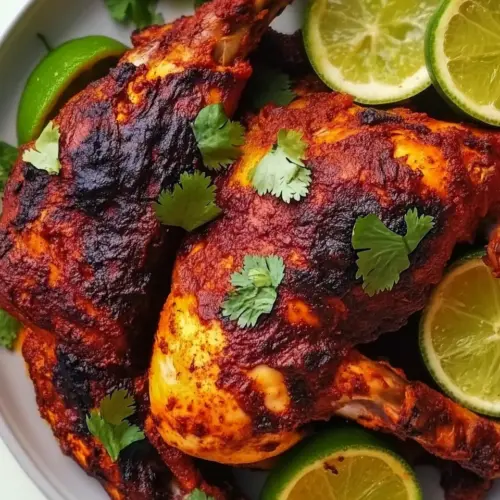
Roasted Mexican Chicken
Roasted Mexican Chicken delivers crispy skin, juicy meat, and a bright, smoky marinade made from tomatoes, chili, garlic, and spices. This easy weeknight dinner brings warm, savory comfort with a citrus lift from lime, perfect for family meals or casual gatherings. Make it for a reliably flavorful roast that impresses without fuss.
Equipment
- Blender or food processor
- Roasting Pan
- Baking Tray
- Meat Thermometer
Ingredients
- 1 whole chicken Roast whole to provide the centerpiece protein; truss and season well so the skin crisps and the meat stays juicy during cooking. Use as the main source of flavor and texture for the Roasted Mexican Chicken, absorbing spices and aromatics. Ensure even roasting by bringing to room temperature before cooking and resting after roasting to retain juices.
- 400 g diced tomatoes Use diced to contribute bright, tangy tomato flavor and moisture that melds with spices during roasting. Add into the cavity or around the bird so juices mingle and form a flavorful base for pan sauce or vegetables. Choose ripe tomatoes for acidity that balances the richness of the chicken and butter.
- 1 chili pepper Chop finely to introduce a bright, spicy kick that complements cumin and paprika; adjust amount to taste for desired heat. Incorporate with garlic and lime to make a vibrant rub or stuffing for the chicken cavity. Handle carefully and remove seeds for milder heat or leave them for more intensity.
- 1 garlic Crush or mince to provide aromatic depth and savory umami that enhances the overall roast profile. Combine with oil and spices to form a paste or rub for the chicken skin and potatoes, ensuring even distribution of flavor. Roast gently to mellow sharpness while releasing fragrant oils.
- 1 tsp paprika Sprinkle to lend a warm, smoky sweetness that supports Mexican-inspired flavors and deepens the roast seasoning. Mix into the spice rub so paprika develops on the skin during roasting and contributes color. Use smoked or sweet paprika depending on desired smokiness.
- 1 tsp cumin Measure and mix to add earthy, slightly bitter notes essential to Mexican spice blends; cumin brightens savory components. Incorporate into the rub or sprinkle over potatoes so its aroma infuses as everything roasts. Toast lightly in oil first to amplify its fragrance if desired.
- salt to taste Season liberally to enhance all flavors and control overall taste balance; salt brings out natural sweetness in the chicken and tomatoes. Apply to the skin, cavity, and potatoes for consistent seasoning throughout the dish. Taste finished pan juices and adjust before serving.
- pepper to taste Grind freshly to introduce sharp, pungent heat that sharpens flavors and balances fat from butter and oil. Apply to the chicken skin, rubs, and vegetables so peppercorn oils release during roasting. Use freshly cracked pepper for best aromatic impact.
- 1/2 lime Squeeze half to add bright acidity and a citrus lift that cuts through richness and brightens the seasoning. Rub lime juice under the skin or drizzle over the finished roast for lively contrast. Reserve a bit to finish the dish so acidity remains fresh.
- 20 ml vegetable oil or any other neutral oil Heat or toss with spices to distribute seasoning and aid in browning; neutral oil helps crisp the skin and roast potatoes evenly. Use to create a spice paste for the chicken or to coat potatoes to prevent sticking and encourage caramelization. Choose an oil with a high smoke point for roasting.
- 10 potatoes Roast whole or chop to serve as a hearty starchy side that soaks up juices from the chicken and spices. Coat in oil and spices so potatoes caramelize and develop a crisp exterior while remaining fluffy inside. Select uniform sizes for even cooking alongside the bird.
- 150 g butter Melt or dot to enrich potatoes or finish the roast with a silky, savory richness and golden browning. Combine with herbs and spoon over roasted potatoes or chicken at the end for glossy finish and extra flavor. Use salted butter carefully given other salt additions.
- parsley for serving Chop or sprinkle to provide a fresh, herbaceous finish that contrasts roasted flavors and adds color to the plate. Scatter over the chicken and potatoes just before serving to enhance aroma and brightness. Use flat-leaf parsley for a clean, parsley-forward bite.
- salt to taste Season again to ensure balanced seasoning after finishing; salt heightens all other components and corrects any underseasoning. Sprinkle on potatoes or chicken after roasting as needed and taste sauces or pan drippings to adjust. Keep measured amounts in mind to avoid over-salting.
- pepper to taste Season again to finalize the flavor with a final touch of heat and aroma; pepper sharpens the dish before serving. Grind over finished chicken and potatoes to boost aroma and provide a polished, well-seasoned presentation. Use conservative amounts and taste as you go.
Instructions
- In a blender or food processor, combine the diced tomatoes, chili pepper, garlic clove, paprika, cumin, salt, pepper, lime juice, and oil. Blend until smooth to create the marinade.: The blended mixture should smell bright and a little smoky, with the sharpness of garlic softened by the acidic tomatoes and fresh zing of lime . As you pulse, you will see the sauce turn uniformly pinkish red and feel slightly viscous, which helps it cling to the chicken . I always scrape the sides once or twice to ensure no chunks remain and the spices are evenly distributed. This matters because an uneven marinade can produce pockets of blandness or over spiced bites. A common mistake is over blending to the point where the sauce becomes watery, so stop when it is smooth but still has body.
- Cut the whole chicken along the breast and open it in a pan. Spread the marinade on both sides of the chicken, making sure to cover it evenly. Place the chicken in the refrigerator and let it marinate for at least 1 hour, allowing the flavors to permeate the meat.: When you lay the chicken flat, you should feel the texture shift as the skin relaxes and the marinade starts to sink into the surface. The cool, tangy scent of lime should be noticeable now, along with the warm perfume from cumin . I use my hands to rub the marinade under and over the skin so each bite is seasoned, and then I let it rest uncovered for some skin drying which helps with roasting. Marination time allows acids and spices to start flavoring the meat; rushing this will lead to a less flavorful interior. Avoid applying a thick, gloopy layer that prevents airflow to the skin because that can stop crisping.
- Preheat the oven to 180°C (350°F).: You want the oven to be evenly heated so heat penetrates the chicken without drying the exterior too fast. The oven should register steady at 180°C before you put the bird in, and you may hear the faint hum as the fan stabilizes. I recommend checking your oven thermometer because many ovens run slightly hot or cold. This step is crucial for consistent cooking; placing the bird in a cold oven can lead to tough skin and uneven doneness.
- Transfer the marinated chicken to a roasting pan and place it in the preheated oven. Roast the chicken for approximately 1 hour and 15 minutes, or until the internal temperature reaches 165°C (329°F) and the skin is crispy and golden brown.: As the chicken roasts, you will notice the skin take on a deep golden red tone and the kitchen fills with an aromatic steam of spices and roasted tomato. Listen for a gentle crackle as the skin renders; that is a good sign. I probe the thickest part of the thigh with a meat thermometer to confirm it reaches 165°C, which ensures safe doneness while keeping the meat juicy. If you skip temperature checking, you risk undercooking or drying out the bird. One pitfall is leaving the oven door open too often to check; that lets heat out and can extend cooking time significantly.
- While the chicken is roasting, wash the potatoes and place them in a separate baking tray. Put the tray with the potatoes in the oven alongside the chicken. Roast the potatoes for about 40-50 minutes, or until they are tender and cooked through.: The potatoes should become golden and slightly blistered where the skin meets the oven air, and they will smell faintly nutty and toasty. Turning them once midway helps them brown evenly. I arrange them with some spacing so hot air can circulate and they crisp instead of steaming. If they are too close together they cook unevenly and remain doughy inside. Make sure they're similar in size to avoid small pieces overcooking while larger ones stay firm.
- Once the potatoes are done, remove them from the oven and let them cool slightly. Cut the potatoes in half and place them in a serving dish. Add butter, chopped oregano or parsley, salt, and pepper to taste.: As you toss the hot potatoes with butter , you will hear a soft hiss and see a glossy sheen form, which signals the butter melting and glazing the surface. The herbaceous scent of chopped parsley brightens the rich butter, and the steam rising as you cut them releases a comforting, earthy aroma. The butter also soaks into any nooks, rounding out their texture. Avoid adding cold butter which will not melt properly and leaves uneven coating; room temperature or hot potatoes are best for even distribution.
- Remove the roasted chicken from the oven and let it rest for a few minutes before carving. Serve the Whole Roasted Mexican Chicken with the buttered parsley potatoes on the side, cream, and optionally tomatillos salsa.: Resting is when the juices redistribute, so you will notice the meat become glossy and tender when you slice into it. The skin remains crisp while the interior relaxes into moistness. I carve the chicken on a warm board and spoon any pan juices over the meat for extra flavor. If you carve too soon, the juices escape and the meat can seem dry, so patience here preserves juiciness. Offer the buttery potatoes alongside so each plate benefits from both textures.
- Enjoy!: Savory aromas, a touch of brightness from the lime , and herb flecks on the plate invite the first bite. Take a moment to appreciate the contrast between the crackling skin and tender meat, and how the creamy potatoes soak up the roast flavors. A common misstep is serving while the bird is still too hot to handle comfortably, which can be awkward for carving and plating. Let things settle slightly for the best experience.
Notes
- Adjust the chili level, choose a milder pepper or remove the seeds if you want a gentler heat, which keeps the tomato and spice flavors balanced for those who prefer less intensity.
- Make a herb butter, mix softened butter with chopped parsley and a pinch of paprika, then spread it on the hot potatoes to deepen the richness and add an extra savory layer.
- Swap cooking fat, use a neutral oil or a higher smoke point oil if you want more intense browning, which can create a slightly crispier skin without altering the seasoning.
- Try different potatoes, choose waxy varieties if you prefer a creamier texture, or russets for fluffier interiors and crisper exteriors when roasted.
- Marinate longer, if you have time, marinate the chicken overnight in the fridge to intensify flavor penetration and produce a deeper colored crust.