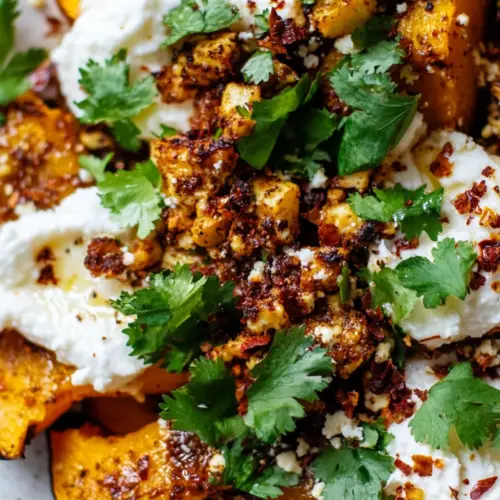
Roasted Delicata Squash with Chipotle Butter Burrata
Roasted Delicata Squash with Chipotle Butter Burrata is a creamy and smoky fall favorite with caramelized squash, silky burrata, and a bright, tangy chipotle butter. Perfect as an easy weeknight dinner or an impressive appetizer, this dish balances sweet roasted veg, crunchy toasted almonds, and a lingering smoky heat. Make it to enjoy seasonal flavors with minimal fuss.
Equipment
- Roasting Pan
- Small pot or pan
- Cast-Iron Skillet
Ingredients
- 1 medium delicata squash Roast to bring out sweet, nutty flavors and tender flesh; slice into crescents or half-moons for even caramelization and attractive presentation.
- 1 tablespoon olive oil (plus extra if you want to sear) Toss to coat squash slices lightly so they crisp and brown during roasting; drizzle extra for pan-searing to achieve a golden surface.
- Kosher salt (for finishing) Finish with a sprinkling to enhance overall flavor balance and provide a clean, mineral saltiness that lifts the dish.
- 3 tablespoons (42 g) salted butter Melt and brown gently to create a nutty, rich base for chipotle butter; provides silky mouthfeel and balances the squash's sweetness.
- 2 large garlic cloves (minced) Mince finely and sauté briefly in butter to release pungent, aromatic oils that deepen the savory profile without overpowering.
- 1 chipotle pepper in adobo sauce (minced (see note)) Mince and incorporate into butter to introduce smoky, spicy heat and a tangy, vinegar-forward complexity from the adobo.
- 1/2 teaspoon kosher salt Season as you build the butter sauce and adjust at the end; adds controlled salinity to harmonize sweetness and spice.
- 2 teaspoons rice vinegar Whisk into the chipotle butter to add bright acidity that cuts richness and lifts the overall flavor profile of the topping.
- Cooked grains or warmed bread Serve as a bed or accompaniment to add body, absorb the chipotle butter, and turn the dish into a more complete, satisfying meal.
- 4 ounces (114 g) burrata Nest or tear over warm squash to provide creamy, milky richness and a contrast of cool, soft texture against roasted flesh.
- 2 tablespoons toasted and crushed almonds Scatter on top for crunchy texture and a toasty, slightly sweet nutty note that contrasts creamy burrata and soft squash.
- A few cilantro leaves Garnish sparingly to add fresh, herbaceous brightness and a pop of color that complements the smoky, rich components.
Instructions
- To cook the squash: Preheat the oven to 425˚F. Cut the squash lengthwise and remove the seeds. Place the squash cut side down in a roasting pan large enough to accommodate it. Add 1 tablespoon of olive oil and 1/4 of water to the pan. Roast the squash until the top is browning and the squash easily gives when pressed, 30 to 35 minutes.: Preheat the oven to 425˚F : The moment you slide the pan into a hot oven you begin coaxing sugars to the surface, creating fragrant caramel notes that smell warm and toasty. As the oven comes up to 425 degrees Fahrenheit, you will notice a steady heat that crisps the exposed edges while the interior softens into a velvety texture. I like to press the squash gently with a fingertip after about 25 minutes to check for tenderness, the flesh should give easily but not collapse. If the squash is still firm, it needs more time; undercooking leaves a chalky mouthfeel, while overcooking may result in mushy, watery slices.
- To make the chipotle butter: Melt the butter in a small pot or pan while the squash is roasting. Add the garlic and cook until golden, 1-2 minutes. Stir in the minced chipotle and salt. Cook for another minute, then add the vinegar and remove from heat.: Cut the squash lengthwise and remove the seeds : Removing seeds opens the cavity so heat can penetrate the flesh evenly, and the exposed surface will caramelize during roasting. The cut edge should look glossy and even, not ragged, which helps promote even browning. Use a sharp knife and steady hand to avoid slips. A common pitfall is leaving seeds in place, which traps moisture and may steam rather than roast the squash.
- To Assemble: Once the squash finishes, remove it from the oven. If you would like a bit more color on the squash, you can either place under a broiler or sear on a cast iron skillet and sear, cut side down for 60 to 90 seconds. Cut the squash halves into pieces of the desired size and sprinkle them with salt.: Place the squash cut side down in a roasting pan large enough to accommodate it : Laying the delicata squash cut side down concentrates heat on the flesh, encouraging a tender interior and browned edges where it touches the pan. You will hear a quiet sizzle as it hits the hot metal if the pan is warm, and that contact point becomes the sweetest part. Make sure the pan is roomy so air can circulate; crowding leads to uneven cooking and steamed, pale surfaces.
- If serving grains, layer them on a platter and top with the roasted squash. Tear and place burrata evenly over the squash, then drizzle with the chile butter. Finish with crushed almonds and cilantro leaves before serving.: Add 1 tablespoon of olive oil and 1/4 of water to the pan : The bit of olive oil promotes browning while the splash of water prevents the pan from getting scorching hot and helps create a moist environment to soften the flesh. You want to see a thin sheen rather than a puddle, and the water should just evaporate during roasting. Too much water will steam the squash and blunt caramelization, so keep it modest.
- To cook the squash: Roast the squash until the top is browning and the squash easily gives when pressed, 30 to 35 minutes : As the minutes pass, the kitchen fills with a sweet roasting aroma, and the flesh will become glossy and tender. Check visually for golden spots and press the flesh near the center to confirm it yields. If it browns too quickly, reduce the temperature a bit to avoid drying the interior; if it remains pale, extend roast time until you get that light caramel color and a soft bite.
- To make the chipotle butter: Melt the butter in a small pot or pan while the squash is roasting : Melting butter over gentle heat produces a nutty aroma as the milk solids warm, creating a rich foundation for the sauce. You want the butter to be fully liquefied and slightly shimmering but not popping. If it starts to foam aggressively or brown, lower the heat immediately to keep the flavors clean. Overheated butter can taste bitter and will overpower the delicate elements.
- To make the chipotle butter: Add the garlic and cook until golden, 1 to 2 minutes : When you add minced garlic , it will release a fragrant burst that signals the beginning of the sauce. Watch for a light golden color and a toasted scent, stirring to distribute the heat. If the garlic rushes to deep brown, the taste will edge bitter; remove the pan from heat quickly if you see dark flecks forming.
- To make the chipotle butter: Stir in the minced chipotle and salt : Adding the minced chipotle introduces smoky intensity and a deep red color, which melds into the butter creating a glossy, slightly thickened sauce. Salt heightens the flavors, bringing balance between heat and richness. Ensure the chipotle is finely minced so it disperses evenly; chunky pieces can create hot pockets and an inconsistent heat profile.
- To make the chipotle butter: Cook for another minute, then add the vinegar and remove from heat : The final minute allows the flavors to marry, and the quick splash of rice vinegar brightens the mixture, cutting through the fat. Remove the pan from heat to preserve that fresh tang. If you leave it over high heat, the vinegar will dissipate, and the sauce will lose its lift, becoming heavy on the palate.
- To Assemble: Once the squash finishes, remove it from the oven : Taking the squash out of the oven releases a fragrant steam and a warm, caramelized scent that signals readiness. Let it rest briefly so juices redistribute and you can handle it safely. If you slice immediately, hot juices may run and the pieces will be harder to handle; letting it settle for a couple of minutes makes for neater plating.
- To Assemble: If you would like a bit more color on the squash, you can either place under a broiler or sear on a cast iron skillet and sear, cut side down for 60 to 90 seconds : This quick finish adds an attractive char and crunch, creating a contrast to the tender interior. You will hear a satisfying sizzle and see a deepening of color within seconds. Be mindful of timing, because a minute too long will burn the surface. If you do not have a skillet, a short turn under a hot broiler will produce similar effect.
- To Assemble: Cut the squash halves into pieces of the desired size and sprinkle them with salt : Cutting into serving pieces lets you control portion and texture, and the final sprinkle of kosher salt brightens the flavors. You should see a light sheen on the cut surfaces and feel tender, cohesive flesh. Overcutting into tiny bits will cool the pieces faster and break the pleasing contrast between roast and cream.
- To Assemble: If serving grains, layer them on a platter and top with the roasted squash : A bed of warm grains or toasted bread absorbs the chipotle butter and makes the dish heartier. The visual layering also looks intentional and seasonal. Make sure the grains are hot so they can pick up the butter; cold grains will congeal the sauce and mute flavors.
- To Assemble: Tear and place burrata evenly over the squash, then drizzle with the chile butter : Tearing the burrata releases its creamy center, which melds with hot squash and the warm chipotle butter, creating a luscious mouthfeel. The drizzle should be glossy and fragrant, pooling slightly where the cheese meets the veg. Avoid tearing too early, as the cheese will lose its fresh shape and texture if it sits too long.
- To Assemble: Finish with crushed almonds and cilantro leaves before serving : The final crunch of toasted almonds and the bright lift of cilantro make the dish sing, offering textural contrast and herbal clarity. Scatter them just before serving to preserve crunch and color. If you add them too early, the almonds can soften and cilantro will wilt, diminishing their impact.
Notes
- Scale the heat Use half a chipotle pepper or omit it entirely to keep flavors smoky without strong heat, then taste and add more bit by bit so you avoid overspicing the butter.
- Finish for color After roasting, sear the cut sides briefly in a hot pan with a touch of extra olive oil to deepen color and add a crisp edge for pleasing texture contrast.
- Serve as an appetizer For parties, slice the roasted squash thinly and arrange on a platter, then tear small pieces of burrata across the top so guests can graze and sample layers of flavor.
- Use as a main Lay the squash over warm cooked grains or toasted bread and drizzle generously with chipotle butter so the base soaks up every last bit of sauce and becomes part of the meal.
- Swap nuts If you prefer, use toasted pistachios or pecans for a different flavor profile, but keep them toasted to preserve crunch and prevent a raw taste.
- Prepare ahead Roast the squash a few hours earlier and reheat gently; make the chipotle butter just before serving so it tastes freshly bright and aromatic.