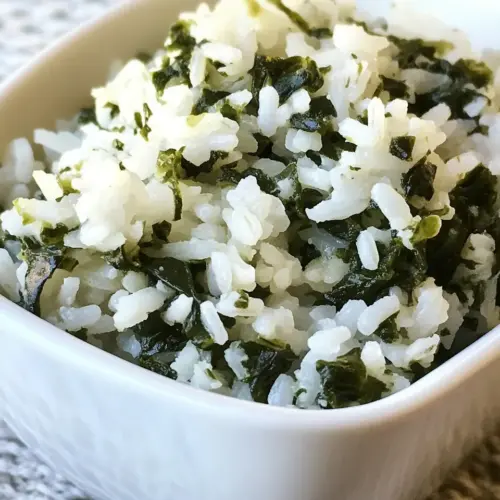
Rice with Spinach
Rice with Spinach blends nutty whole grain brown rice with garlicky spinach for a creamy, comforting side or easy weeknight dinner. The savory bouillon and a touch of butter create a rich, satisfying base while a sprinkle of fresh grated cheese adds a bright finish. Quick to assemble and adaptable, this recipe is perfect when you want wholesome flavor without fuss.
Equipment
- Small heavy pot
- Sauté Pan
- Wooden spoon or spatula
- Measuring Cup
Ingredients
- 1 cup whole grain brown rice Provide a nutty, chewy base and absorb flavors as it cooks; rinse before cooking to remove excess starch and improve texture. Use whole grain brown rice for added fiber and a nuttier taste compared with white rice.
- 1 chicken or vegetable bullion cube Add concentrated savory flavor and season the cooking liquid; crumble the cube into the water to dissolve fully. Use either chicken or vegetable bullion depending on desired flavor profile and dietary preferences.
- 2 1/2 cups water Create the cooking liquid volume needed for properly hydrated rice; bring to a simmer with the bullion before adding rice. Adjust slightly if using a different rice type to ensure proper texture.
- 2 tsp butter Contribute a rich mouthfeel and help sauté aromatics; melt the butter at the start to coat the rice and garlic lightly. Use measured butter to avoid greasiness while enhancing flavor and color.
- 10 oz frozen spinach, thawed Introduce bulk, color, and a mild earthy flavor while contributing nutrients; thaw and squeeze out excess water before adding to prevent sogginess. Fold into the cooked rice near the end to heat through and preserve texture.
- 2 cloves garlic Provide aromatic pungency and depth of flavor when minced and lightly sautéed; add towards the beginning so it softens but does not burn. Adjust quantity if a milder garlic presence is preferred.
- 2 tsp olive oil Help sauté garlic and rice evenly while adding a subtle fruity note; warm the olive oil gently before adding aromatics. Use a small amount to prevent the dish from becoming oily while enhancing flavor.
- salt Enhance and balance flavors to taste; season gradually during cooking to avoid over-salting. Taste the rice near the end and adjust salt carefully, especially if using a salty bouillon cube.
- fresh grated cheese, optional Add a finishing savory, umami-rich touch when grated over the served dish; sprinkle sparingly for optional creaminess and complexity. Choose a cheese that melts well and complements the rice and spinach.
Instructions
- In a small heavy pot, melt the butter. Add rice and saute about 1 minute.: The kitchen will fill with a warm, nutty aroma as butter liquefies, and you should see it shimmer across the pot surface. This initial step is important because the melted butter coats the rice and helps develop a slight nutty edge when you toast the grains briefly. You may hear a soft gentle sizzling as the butter heats, which tells you the pan is ready. If your butter starts to brown too fast or smoke, lower the heat immediately, because burnt butter will give an unpleasant bitter note. A common mistake is rushing this step on very high heat, which can scorch the butter and ruin the clean flavors you want to build.
- Add the water and boullion cube and bring to a boil over high heat.: As you stir in the rice , each grain will take on a glossy sheen from the melted butter , and a subtle toasting aroma will emerge. This brief sauté helps seal the grains and adds a subtle nutty depth that makes the final texture more interesting. Use a wooden spoon or spatula to stir constantly for about one minute, watching for a light change in fragrance rather than color. Avoid leaving the rice unattended, because letting it sit too long on heat can cause uneven toasting or sticking, which changes the final tenderness.
- Cover and cook 45 minutes, until all water is absorbed.: When you pour in the measured 2 1/2 cups water , you will hear a higher, lively bubbling as the pot comes to a boil. Drop in the boullion cube and stir until it dissolves, releasing a concentrated savory scent that will infuse into the cooking liquid. Boiling on high ensures the temperature climbs quickly, which shortens the wait time before you cover. A crucial note is to check that the cube dissolves completely to avoid concentrated salty pockets. If the liquid seems cloudy or overly salty, taste carefully and adjust in later steps rather than adding more salt now.
- Meanwhile, in a saute pan, heat olive oil. Add garlic and saute until golden.: Once covered, the pot will move from active bubbling to a gentle hush as steam circulates inside. You should see faint wisps of steam escaping from the lid edge, and the aroma will mellow into a toasty, earthy bouquet. Cooking undisturbed lets the rice steam evenly, creating tender grains without breaking them down. Resist the urge to lift the lid often, since releasing steam interferes with the delicate absorption balance. A frequent error is peeking repeatedly, which can extend cooking time and yield inconsistent texture. After about 45 minutes, tilt the lid to check that the liquid is absorbed and test a grain for tenderness.
- Add spinach and a pinch of salt, mixing well for about 4 minutes.: While the rice cooks, warm the olive oil in a skillet over medium heat, watching for a gentle shimmer across the surface. The oil carries fragrance and will be the vehicle for the aromatic garlic . The moment the oil heats you should notice a soft fruity note from the olive oil , which complements the toasted rice base. Avoid overheating the oil until it smokes, because that degrades its flavor. A typical slip here is turning the heat too high and creating a bitter undertone instead of a mellow aromatic bed for the garlic and spinach .
- Toss rice with spinach and top with good grating cheese like Pecorino Romano.: When you add the minced or sliced garlic , stir immediately to ensure even contact with the warm oil. The sound will be a soft hiss and the scent will bloom quickly into a garlicky perfume. Watch closely, because garlic moves from perfect golden to bitter brown in moments; remove from heat or lower the flame as soon as it reaches a light golden hue. The purpose here is to infuse the oil, which will then flavor the spinach deeply. A common mistake is overcooking the garlic , which introduces burnt bitterness that masks the other delicate flavors.
- Add spinach and a pinch of salt, mixing well for about 4 minutes: As you introduce the thawed spinach to the pan, it will immediately soften and exhale a green, almost vegetal aroma. Use a spatula to fold it into the garlicky oil so each leaf is coated and warms through. The brief cook concentrates flavor and wilts excess moisture, while a pinch of salt heightens sweetness and balances any bitterness. Expect gentle sizzling and a deepening of color to a richer green, which is a good visual cue the step is working. Avoid overcooking, since prolonged heat can render the spinach limp and colorless, losing the brightness that lifts the dish.
- Toss rice with spinach and top with good grating cheese like Pecorino Romano: When you combine the fully cooked rice and the sautéed spinach , you should notice a comforting steam and a combined aroma of toasted grain and garlicky greens. Use a fork to fluff the rice as you fold in the spinach , which prevents clumps and keeps each serving light. The optional fresh grated cheese will add a sharp, salty finish and a hint of creaminess as it melts slightly on warm grains. If the mixture seems dry, gently toss with a touch more oil; if it seems too wet, let it sit uncovered for a minute to let steam escape. One mistake to avoid is adding the cheese too early while the pan is very hot, which can make it clump rather than melt evenly.
Notes
- Use vegetable bouillon for vegetarian dishes — Swap to a vegetable bouillon cube to keep the dish fully vegetarian, while preserving the same concentrated savory base. This maintains umami and keeps seasoning simple. Taste the broth before adding extra salt because some cubes are saltier than others.
- Press the spinach well after thawing — Removing excess moisture prevents a watery final dish and helps the rice retain fluffy texture. Squeeze the spinach in a clean towel or press it in a sieve, then sauté; this concentrates flavor and improves mouthfeel.
- Grate cheese fresh at the end — Freshly grated cheese melts more evenly and brings a brighter flavor than pre shredded versions. Add it just before serving so it softens on warm rice without clumping.
- Rinse your rice thoroughly — Rinsing until the water runs clearer removes excess starch and helps each grain stay separate, which improves texture and prevents gluey results when cooked.
- Adjust cooking liquid slightly for desired texture — If you prefer a firmer bite, reduce water by a small amount; for softer rice, add a tablespoon or two. Small adjustments let you tailor the dish to personal texture preference without changing the method.