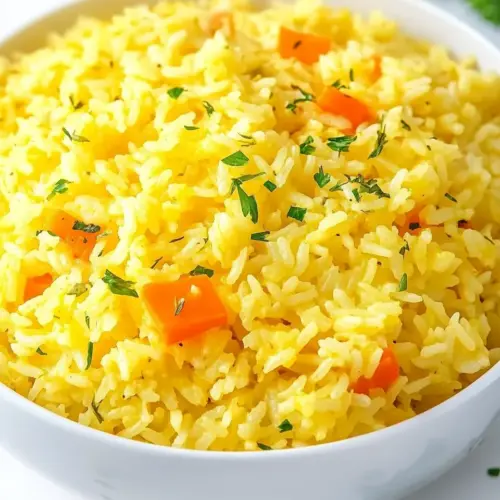
Rice Pilaf Recipe
Rice Pilaf Recipe is a fluffy, aromatic side with toasted rice, sautéed onion, carrot, and celery simmered in savory chicken stock. This easy weeknight dinner side delivers comforting texture and herbaceous flavor, perfect for family meals or entertaining. The toasting step gives a nutty depth that makes it worth the slight extra attention, and it reheats beautifully for leftovers.
Equipment
- Deep Skillet
- Mixing Bowl
- Knife
- Cutting Board
- Fork
Ingredients
- 2 tablespoons unsalted butter, divided Melted and divided to provide both a toasty base and a finishing gloss, adds richness and helps sauté aromatics evenly without burning. Use half at the beginning to brown rice lightly for a nutty flavor and reserve the remainder to stir in at the end for a silky finish.
- 1 cup white long-grain rice Measured as long-grain white rice to create fluffy, separate grains when cooked, forming the bulk of the pilaf. Rinse briefly to remove excess starch if desired and toast gently in fat before adding stock to enhance texture and flavor.
- 1 tablespoon olive oil Added in a small amount to supplement butter with a higher smoke point, enabling even sautéing of vegetables without imparting heavy flavor. Use when browning vegetables or rice to prevent burning while contributing a subtle fruity note.
- 1 cup diced celery Diced to small pieces to soften quickly and provide a fresh, aromatic backbone that complements carrots and onion. Sauté until translucent to release moisture and mellow the vegetal flavor before combining with rice and stock.
- 2 carrots Prepared peeled and chopped to give sweetness, color, and body to the pilaf, balancing savory elements and adding pleasant texture. Cook until tender so the carrots integrate with the rice and release natural sugars that enhance overall taste.
- 1 small onion Finely chopped to deliver sweet, savory depth and aromatic complexity, serving as a key building block of the flavor base. Sauté gently until softened to develop sweetness and provide a fragrant foundation for the dish.
- 2 teaspoons minced garlic Minced to impart a sharp, savory uplift and aromatic intensity that brightens the entire pilaf, added toward the end of sautéing to avoid bitterness. Cook briefly with onions and celery so the pungency mellows and infuses the grains.
- 2 cups chicken stock, see notes Measured to properly cook the rice while infusing savory, savory notes that make the pilaf flavorful and moist; see notes for substitutions or adjustments. Bring to a simmer with herbs and rice, then cover and cook until liquid is absorbed for perfectly tender grains.
- 1/4 teaspoon dried thyme Dried and measured to contribute a subtle, earthy, slightly floral herbiness that complements poultry stocks and vegetables. Sprinkle with the stock to allow gentle infusion during simmering, enhancing complexity without overpowering.
- 1/2 teaspoon dried rosemary Dried and measured to lend a resinous, pine-like undertone that supports other herbs and adds savory depth to the pilaf. Crush lightly between fingers to release oils before adding so the flavor disperses evenly through the cooking liquid.
- 1/2 teaspoon salt Measured to season the dish, enhancing and balancing flavors while helping the rice and vegetables taste cohesive and well-rounded. Add to the cooking liquid early so the salt distributes evenly throughout the grains and components.
- 1/4 teaspoon black pepper Ground and measured to provide mild heat and brightness, cutting through richness and rounding out the savory profile of the pilaf. Add with other seasonings so its sharpness melds during cooking rather than becoming a distinct peppery note.
Instructions
- Prepare the vegetables. Finely dice onion, celery and shred the carrots.: The room will smell fresh and vegetal as you finely dice the onion and celery , and shred the carrot . Take a moment to notice the texture differences, with the onion releasing moisture and the carrot showing bright orange strands. This prep ensures even cooking, and small pieces meld into the finished pilaf rather than standing out. A common misstep is chopping unevenly, which leads to some bits under cooked while others turn mushy. Keep your knife work consistent and wipe off excess moisture from the carrot shreds so they integrate smoothly.
- Melt one tablespoon of butter in a deep skillet.: As the butter melts, you will hear a gentle hiss and see a glossy sheen across the pan. That first tablespoon is important for carrying flavor during the rice toasting stage. Use medium heat so the butter becomes fragrant but does not brown. If the butter smokes, lower the heat immediately, because burnt butter will impart bitterness. Choose a deep skillet with even heat distribution so the rice toasts uniformly.
- Add rice and toast it, stirring often, until you see the grains turn light brown.: When you add the rice , it should sizzle softly. Stirring frequently helps each grain pick up that nutty, toasted aroma and a slightly translucent edge. Watch closely for a light golden tint, and take time to inhale the warm, toasty scent. Toasting tightens the exterior slightly, which helps keep the grains separate after cooking. A frequent error is skipping this step, resulting in a flatter flavor profile, or leaving the rice unattended, which can lead to uneven browning or burning.
- Remove it into a bowl and set aside.: Once toasted, transfer the rice to a bowl so it does not continue to cook in the hot pan. The grains will steam slightly as they cool, so give them a minute to settle. This pause prevents over browning while you prepare the vegetables. Forgetting to remove the rice can cause it to darken too much, creating bitter notes. Use a shallow bowl so the grains cool evenly and do not clump.
- Add another tablespoon of butter to skillet, along with oil.: Adding the second tablespoon of unsalted butter with a touch of olive oil creates a balanced fat base for sautéing. The butter provides flavor while the oil raises the smoke point, preventing burning as you cook the vegetables. You will see the butter melt into a glossy pool and sense the warmth that readies the pan. Overheating can brown the butter too quickly, so medium heat is best for a controlled sauté.
- Add vegetables and saute until softened.: When the diced onion , celery , and shredded carrot hit the pan, listen for a lively sizzle that settles into gentle bubbling. Saute until the onion is translucent and the vegetables are tender, releasing a sweet, savory scent. This step builds the dish's aromatic foundation. A typical mistake is rushing on high heat, which can brown the vegetables rather than soften them, altering the intended flavor balance. Stir occasionally to ensure even softening and to keep any bits from sticking.
- Add rice and herbs to vegetables. Stir in. Cook for 1 minute.: Once the vegetables are soft, stir the reserved rice back into the skillet along with the dried thyme and rosemary . The mixture will smell herbaceous and comforting as the dry herbs bloom in the warm oil. Cook for about one minute so the rice picks up the savory notes and the herbs release aroma, creating cohesion between elements. The common oversight here is adding liquid too soon, which prevents the herbs from opening up and lessens the layered flavor.
- Add stock and stir in. Simmer until the rice is cooked, about 6 to 7 minutes. Stir often. Keep the pan covered between stirring.: Pour in the measured chicken stock and give everything a gentle stir to distribute liquid evenly. You will see the mixture transition from glossy and dry to a shimmering bath that envelopes each grain. Bring it to a gentle simmer; tiny bubbles should rise to the surface without violent boiling. This controlled simmer ensures the grains cook through while maintaining structure. A frequent error is using high heat, which can evaporate too much liquid and leave the rice under cooked; keep the simmer steady and consistent.
- Season with salt and pepper. Serve.: As the pilaf simmers, watch for the liquid to recede and the top to show small, tender grains. The aroma deepens, and you may hear a faint, soothing pop as the moisture shifts. Keep the pan covered between brief stirrings to trap steam, which finishes cooking the rice gently and produces a fluffy texture. Stirring too often or lifting the lid excessively will interrupt the steam and can make the grains glue together. Aim for patience and watch for a tender, not mushy, bite.
- Season with salt and pepper: After the liquid has been absorbed and the rice is tender, finish by seasoning with the indicated salt and black pepper . Give it a final fluff with a fork so steam escapes and the grains separate. Taste and adjust carefully, since the stock may already provide significant seasoning. Over seasoning at this stage is a common mistake, so season incrementally and taste between additions. Serve the pilaf warm so the aromas remain vibrant.
Notes
- Swap the stock: Use a good quality chicken stock for savory depth, or try a mild vegetable stock if you prefer a lighter base. The stock is the backbone, so choosing a flavorful one makes a noticeable difference.
- Control the salt: Because store bought stocks vary in saltiness, taste before adding salt. I often wait until the end to season, so I do not over salt when the liquid concentrates during cooking.
- Mind the heat: Keep heat at medium for toasting and sautéing to avoid burning the butter or herbs. If you see smoke, reduce the heat immediately and scrape any dark bits out of the pan.
- Prep ahead: Chop the vegetables a day ahead and store them covered in the fridge. This saves time and lets you jump to the toasting step quickly on busy nights.
- Fluff before serving: Use a fork to gently fluff the rice right before plating to keep the grains separate and airy, which improves both mouthfeel and presentation.