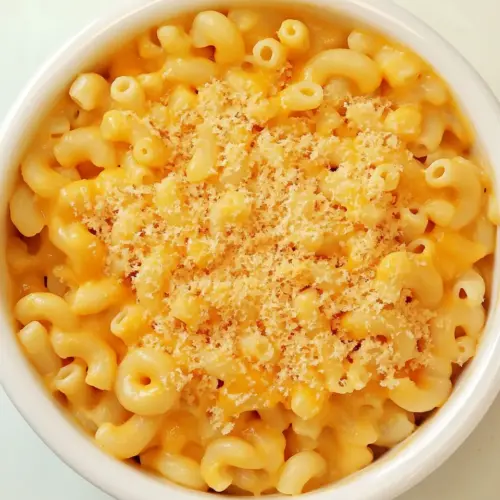
Rice Cooker Mac and Cheese
Rice Cooker Mac and Cheese is a creamy, easy weeknight dinner that yields silky pasta coated in melted cheese with minimal fuss. This rice cooker method produces a rich, comforting texture and saves time on cleanup, making it perfect for busy evenings or casual gatherings, and it’s an instant favorite for anyone craving cheesy simplicity.
Equipment
- Rice Cooker
- Spoon
Ingredients
- 2 cups pasta (I used macaroni, but you could also use rotini, faralle or bite size pasta) Provide shape and starch to the dish, giving mac and cheese its comforting body and ability to absorb flavors; cook until al dente and drain or leave minimal water for a creamier finish.
- 1 1/2 cups chicken stock (I use low sodium stock) Contribute savory depth and cooking liquid to hydrate the pasta while adding seasoning; choose low-sodium stock to control salt levels and adjust to taste as the cheese is added.
- 1 teaspoon kosher salt Season the cooking liquid and balance overall flavor; dissolve into the stock to enhance taste without overpowering the cheese blend—adjust quantity for dietary preference.
- 1 cup whole milk Add richness and creaminess that melds the cheese into a smooth sauce; warm gently into the hot pasta and stock to prevent curdling and maintain a silky texture.
- 1 1/2 cups shredded cheese (I use a 3 cheese blend of cheddar, mozzarella and monterey jack) Bring cheesy flavor, meltability, and a creamy, cohesive sauce; shred finely for even melting and stir into hot pasta and milk until fully incorporated and smooth.
Instructions
- Place the first 3 ingredients in the rice cooker and cook for 15 minutes.: The moment you close the lid and the cooker begins its cycle, you should hear a low hum and occasionally a soft bubble as the liquid warms, a comforting sign that the pasta is hydrating and the starch is beginning to release, which forms the base of a silky sauce. Visually you'll see the liquid level steady and small pockets of steam on the lid, and after about 10 minutes the aroma of warmed chicken stock will deepen, indicating the flavors are marrying. It's important because this gentle steam infusion lets the pasta cook evenly without the aggressive boiling that can make it gummy. A common mistake at this stage is lifting the lid too often, which lets heat escape and extends cooking time, so try to resist peeking more than once.
- Open the lid, add the milk and cheese, stir to combine, close the lid and cook for an additional 20 minutes (25 minutes if you want it to have a crust on the bottom).: When you lift the lid you'll see steam and the surface may have tiny bubbles; add the room temperature or slightly warmed milk so it blends in without shocking the mixture. The sound of stirring is gentle, and as you fold in the shredded cheese you'll notice it start to string and soften immediately. Closing the lid allows the residual heat to melt the cheese into a glossy emulsion with the starchy water, creating that clingy, creamy texture. The extra five minutes will deepen browning and can create a pleasant crust at the bottom; however, beware of leaving it too long as some rice cookers can overbake and scorch. A typical error is adding cold cheese straight from the fridge, which can lower the temperature and cause clumping rather than a smooth melt.
- Rice cookers can cook at different heats, so make sure to check the mac & cheese after if cooks for 30 minutes once or twice.: Since not all rice cookers run at identical intensities, use your senses to judge doneness rather than relying solely on timing; look for plump pasta and a velvety sauce that coats it. If the surface still shows excess liquid but the pasta seems tender, stir and give it more time, listening for that slow bubbling and observing the change from milky to glossy. Checking around the 25 to 30 minute mark helps you catch variance early and prevents overcooking. A common slip at this point is assuming every cooker is the same and walking away, which can leave you with either underdone noodles or a dried out top layer.
- Serve.: The final sensory cues are important when plating. You want the sauce to cling to the pasta , not pool at the bottom, and the cheese should be melted into a smooth, slightly elastic texture. When you spoon it into bowls, listen for the soft slurp as it settles, smell the warm dairy and savory stock, and notice the color contrast between pale milk gloss and richer flecks of melted cheese . Serve while hot, because as it cools the texture firms up. A frequent mistake is letting it sit too long in the cooker after it finishes, which can thicken it into a stodgy mass; if you must hold it, stir gently and add a splash of warm milk to revive creaminess.
Notes
- Veggie boost — Stir in a cup of finely chopped cooked broccoli, cauliflower, carrots, butternut squash, or frozen peas during the step when you add the milk and cheese. Vegetables bring color and texture, and pre cooking them ensures they heat through without adding extra liquid that might thin the sauce.
- Cheese swap — Try different blends like sharp cheddar for punch or Monterey Jack for creaminess. Each cheese brings a unique melt profile, so combining a flavorful cheese with a melty one balances taste and texture.
- Pasta shape — Use rotini or farfalle to trap sauce in crevices, giving each bite pockets of cheesy goodness. Smaller shapes cook faster, so monitor the cooker and reduce the initial cook time slightly if needed.
- Crispy bottom — Let the cooker go an extra five minutes after adding the cheese to encourage a golden crust at the base. Watch closely because some cookers can scorch rather than brown, so remove at the first sign of deep coloring.
- Make it lighter — Substitute part of the whole milk with a lower fat option, but expect a slightly thinner sauce; if the texture becomes too loose, add a small extra handful of shredded cheese to thicken.