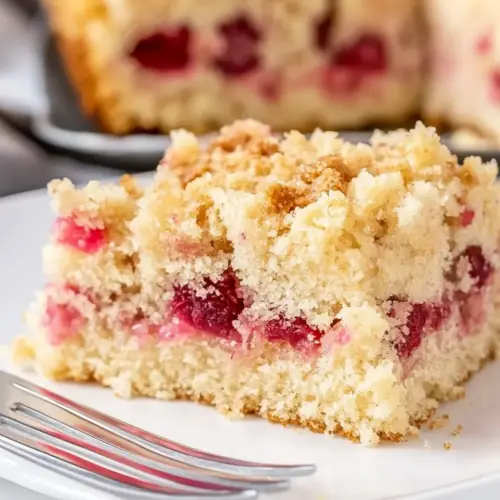
Rhubarb Streusel Cake
Rhubarb Streusel Cake is a tender, slightly tangy sheet cake with a crisp brown sugar streusel on top. Bright rhubarb chunks and a moist crumb make it an easy spring dessert or brunch addition, perfect for easy weeknight baking or crowd friendly gatherings. Make it to enjoy a refreshing fruit forward cake that still feels comfortingly homemade.
Equipment
- 9×9-inch Cake Pan
- KitchenAid 9-Speed Digital Hand Mixer
- Mixing bowl set
Ingredients
- 2 tablespoons unsalted butter softened Softened to spread easily into batter, helping create a tender crumb and adding richness and moisture to the cake; also assists with dissolving sugar and distributing flavor evenly throughout the mixture.
- 1 cup granulated sugar Granulated sugar used to sweeten and tenderize the cake batter while aiding in creaming with butter to incorporate air for a lighter texture; also contributes to browning and caramelization during baking.
- 1 large egg Beaten into the batter to provide structure and stability from its proteins while adding moisture and richness; also helps emulsify fats and liquids for a uniform texture.
- 1 teaspoon pure vanilla extract Added for aromatic flavor to enhance the overall sweetness profile and complement the tartness of the rhubarb; also helps mask any overly sharp notes from other ingredients.
- 2 cups all-purpose flour Measured for the main dry structure, supplying gluten and body to the cake while balancing the liquid ingredients for proper consistency; also contributes to the cake's tender crumb when combined with leaveners.
- 1 teaspoon baking powder Combined with baking soda to provide lift, helping the cake rise and become light and airy by producing carbon dioxide when activated; also helps regulate texture and crumb.
- 1/2 teaspoon baking soda Used alongside baking powder to boost leavening power and ensure proper rise, especially when acidic ingredients like buttermilk and rhubarb are present; also contributes to a finer crumb.
- 1/2 teaspoon fine sea salt Added to balance and enhance flavors while stabilizing leavening reactions; fine sea salt highlights sweetness and rounds out the cake's overall taste.
- 1 cup buttermilk Provides acidity and moisture that react with baking soda to create lift, while contributing a tangy flavor that complements rhubarb and helps tenderize the crumb.
- 3 cups chopped fresh or frozen rhubarb if frozen, do not thaw Chopped fresh or frozen rhubarb folded into the batter to provide bright tart fruitiness and moisture; contributes texture pockets and a contrasting flavor that balances the cake's sweetness.
- 1/2 cup all-purpose flour Used specifically for the streusel topping to create a slightly coarser texture and help bind the brown sugar and butter together into crumbly clusters that crisp during baking.
- 1/2 cup lightly packed light brown sugar Lightly packed to add deeper, caramel-like sweetness and moisture to the streusel, enhancing flavor complexity and creating a chewy, flavorful topping when combined with butter and flour.
- 4 tablespoons unsalted butter melted Melted to bind the streusel ingredients, providing richness and promoting crisp, golden clusters on top of the cake while contributing buttery flavor and moisture control.
Instructions
- Preheat the oven to 350°F. Spray a 9×9-inch cake pan with nonstick spray. Set aside.: You should notice the warm oven air and the faint metallic scent when preheating to 350°F , which is important because it ensures even rise and proper browning. I always place the rack in the center to promote even heat circulation. A common mistake is turning the oven on too late, which shortens the oven spring and can produce a denser crumb. Make sure the pan is well oiled so the cake releases cleanly once cooled.
- In a large bowl with an electric mixer, beat the butter, sugar, egg, and vanilla on medium speed until light in color and well combined.: Expect the mixture to turn paler and slightly fluffy as tiny air pockets form, which contributes to lift in the final cake. The creaming step is tactile, and you can hear the mixer shift as the ingredients emulsify. If the butter is too cold it will not cream properly, leading to lumps, so soften it beforehand. Avoid overbeating after adding flour later, because that develops gluten and yields toughness.
- In a separate bowl, whisk together the flour, baking powder, baking soda, and salt. With the mixer on low, add half of the flour mixture to the sugar mixture, mixing until just combined. Add all of the buttermilk, mixing until just combined, then finish with the rest of the flour mixture. Mix until just combined, scraping the sides of the bowl with a rubber spatula as needed.: When you combine these elements you will see the batter change from glossy to more matte as dry ingredients incorporate. The alternating additions of flour and buttermilk let you maintain a tender structure; the acid in the buttermilk reacts with the baking soda for lift. If you mix too vigorously, the batter will become dense, so stop as soon as no streaks remain. Scrape the bowl so pockets of unmixed flour do not remain.
- Fold in the chopped rhubarb.: The batter will darken slightly where the chopped rhubarb touches it, and you will feel the pieces distribute through the mix. Folding gently preserves the tender crumb and prevents the fruit from sinking. If you stir aggressively, the fruit may break down and release excess juice, making the cake wet in spots. Ensure the rhubarb is chopped to roughly even sizes so each bite has consistent texture.
- Spread the batter into the prepared cake pan.: Smooth the surface with a spatula so the batter is level; this helps the cake bake evenly and present attractively. You may see the batter settle and the surface lose some sheen as air escapes. Overfilling will cause overflow while underfilling produces an overly thin cake, so use the recommended pan for proportion. Tap the pan gently once to release large air bubbles that can create holes in the crumb.
- In a small bowl, mix together the streusel ingredients with a fork until clumps form. Sprinkle the streusel evenly over the top of the cake.: Mixing the 1/2 cup all-purpose flour , 1/2 cup light brown sugar , and 4 tablespoons unsalted butter melted with a fork creates coarse clumps you can scatter over the batter. The streusel should be crumbly with bite sized clusters that will crisp in the oven, and you will notice a sweet, caramel aroma as the butter integrates. Avoid overworking the streusel into a paste; it should remain lumpy for the best texture.
- Bake for 60-70 minutes or until a toothpick or cake tester inserted in the center of the cake comes out clean.: While baking you will observe the streusel darken to a deep golden brown and the edges gently pulling away from the pan. The kitchen will fill with a warm, fruity aroma. Check at the 60 minute mark by inserting a tester; if it comes out clean, remove the cake to prevent dryness. A common error is opening the oven frequently, which causes temperature drops and uneven rise. Trust visual cues and the tester to know when the cake is done.
- Allow cake to cool before serving.: As the cake cools, the crumb firms and the juices from the rhubarb redistribute, preventing a runny center. Cooling for at least 20 to 30 minutes will make slicing cleaner, and you will notice the streusel maintain its crispness. Cutting too soon can cause crumbling and a slightly undone texture. I like to let it cool long enough that the aroma lingers, but short enough to still enjoy a warm slice.
Notes
- Keep frozen rhubarb frozen when adding to the batter to limit excess moisture and prevent a soggy center.
- Press a few larger streusel clusters onto the top so some bites have extra crunch and caramelized pockets.
- Use room temperature ingredients for smoother mixing and better emulsion when creaming butter, sugar, and egg.
- Measure flour correctly by spooning and leveling to avoid a dry or heavy cake texture.
- Rotate the pan halfway through baking if your oven has hot spots to encourage even browning of the streusel.
- Serve slightly warm for the best contrast between tender crumb and crisp topping, and consider adding a simple sauce on the side if desired.