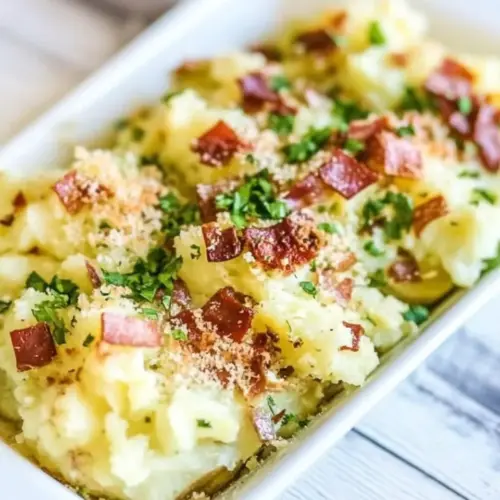
Ranch Smashed Potatoes
Ranch Smashed Potatoes are crispy edged and fluffy centered, bursting with herby ranch flavor and the richness of olive oil. This easy weeknight side delivers golden brown crispiness and tender interiors that make every bite irresistible. Perfect for potlucks or family dinners, they re simple to scale and quick to prepare, giving you an effortless crowd pleasing reason to cook them this week.
Equipment
- Pot
- Colander
- Baking Sheet
- Potato Masher
Ingredients
- 24 oz baby red potatoes Provide creamy, tender texture when boiled and smashed; contributes a naturally earthy, slightly sweet flavor and sturdy base for absorbing ranch seasoning and oil. Offer bite-sized pieces that crisp at edges while remaining fluffy inside after roasting or pan-frying. Serve as the central component of the dish, carrying other flavors and providing satisfying mouthfeel.
- 1/4 cup extra virgin olive oil, 1 Tbsp extra Coat potatoes to promote even browning and crispiness while adding a fruity, grassy note; extra virgin olive oil also helps bind seasoning to surfaces. Enhance the mashed and roasted exterior by creating a golden, slightly crunchy crust when heated. Use the additional tablespoon to adjust moisture and prevent sticking during cooking.
- 1 tbsp ranch seasoning, Hidden Valley or homemade Impart tangy, herby, and savory flavor that defines the dish; ranch seasoning blends herbs, spices, and buttermilk notes to elevate simple potatoes. Season uniformly to create layers of flavor throughout each smashed piece, balancing richness from the oil and the potatoes' natural sweetness. Provide an easy, concentrated flavor boost so minimal additional seasoning is needed.
Instructions
- Boil the potatoes about 20-30 minutes or until the fork not only can go through but they are very tender. Then drain the potatoes in a colander.: You should smell a warm, earthy aroma rising from the pot, and the water may cloud slightly as starches escape. The sound is a soft bubbling, steady and even. When a fork slides into a potato easily without resistance, you know they re done. This step ensures the interior becomes tender enough to collapse slightly when smashed, creating a creamy texture. If you undercook, the centers remain firm and wont spread properly; overcooking can lead to falling apart when handling, so watch and test a few of the largest pieces for accuracy. Drain immediately to prevent extra water from steaming the potatoes during roasting, which would inhibit browning.
- Spread 2 tbsp of olive oil on a baking sheet so that it is completely covered, then arrange the potatoes on the cookie sheet so that they are evenly spaced.: Expect a short rush of steam and that comforting warm aroma of cooked potatoes . Draining removes excess water so the surfaces can crisp in the oven. After draining, give them a moment to sit so residual steam escapes, which reduces moisture. Wet potatoes will steam rather than roast, resulting in limp edges. A common misstep is leaving them in the hot pot where steam can rehydrate them, so transfer to the baking sheet promptly.
- Use a potato masher or the bottom of a glass to smash each potato until it is about 1/2 inch thick. Then sprinkle the seasoning directly on top of each potato and finish by drizzling the remaining olive oil over each potato generously.: You will notice the olive oil glistening under the light as you spread it, creating a slick surface that promotes browning. Place each potato far enough apart so hot air circulates around them, which yields crisp edges rather than steamed sides. This layout matters for even roasting, and the oil also prevents sticking. Crowding the pan is a frequent error that leads to uneven browning and a soggy finish, so use an extra pan if needed.
- Bake at 425˚F for 25-30 minutes or until the edges of the potatoes are browned and crispy. Serve hot and enjoy!: As you press down you ll hear a soft crack as the skins split, revealing the fluffy interior. The visual cue is a flattened disk with fissures where seasoning and oil can pool. This smashing creates extra surface area for crisping and lets the ranch seasoning settle into the crevices. Go gently to keep the base intact; pressing too hard can tear the pieces apart. If the potatoes resist, they may need a minute more on the sheet to release steam and soften slightly.
- Then sprinkle the seasoning directly on top of each potato and finish by drizzling the remaining olive oil over each potato generously: The scent of dried herbs and garlic will become immediate and inviting as the seasoning hits the warm surfaces. The oil helps the seasoning stick and encourages browning in the oven. Even, distributed seasoning is important for balanced flavor; concentrate it in the crevices to maximize taste in every bite. A pitfall is applying all the oil before seasoning which can cause the spices to slide off when arranged, so reserve that final drizzle to lock the flavors in place.
- Bake at 425˚F for 25 30 minutes or until the edges of the potatoes are browned and crispy: The oven will intensify the herb aromas and you ll hear a faint sizzle as the oil crisps the exposed surfaces. Visually, you re aiming for deep golden brown, with some darker toasted spots along the edges. This high heat promotes caramelization, giving those irresistible crunchy bits. Rotate the pans halfway if your oven has hot spots to ensure even browning. Avoid opening the door excessively which drops the temperature and can slow crisping; instead check through the oven window for progress.
- Serve hot and enjoy: The final serving temperature should be warm, and the aroma of ranch and roasted potatoes will be most pronounced immediately out of the oven. Serve directly from the sheet or transfer to a warmed plate to maintain heat. Eating them right away preserves the contrast between the crunchy edges and the creamy centers. If they sit too long, the crisp texture will soften, so time your plating with serving. Reheating can recreate some crispness, but it won t be quite the same as fresh from the oven.
Notes
- Adjust oil for crispiness Increase or decrease the final drizzle of olive oil depending on how crunchy you want the edges to be, keeping in mind more oil yields deeper browning.
- Seasoning placement matters Sprinkle the ranch mix directly into the smashed crevices to concentrate flavor pockets on each bite rather than scattering it evenly across the top.
- Pan spacing tip Use two baking sheets if needed to avoid crowding, which keeps the steam away and ensures each potato gets a crisp perimeter.
- Serving timing Serve immediately for best texture, and if you must hold them briefly, keep them in a warm oven at a low temperature to minimize sogginess.
- Make ahead option Boil and cool the potatoes in advance, then smash and roast just before serving to save time without sacrificing final texture.