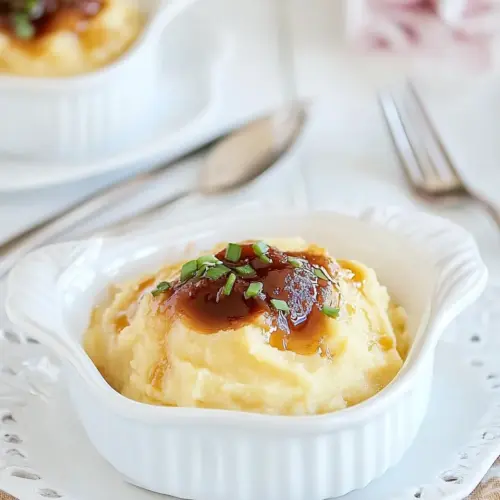
Pure de Yuca y Cepa de Apio
Pure de Yuca y Cepa de Apio is a creamy, earthy mash combining tender yuca and aromatic celeriac with heavy cream and delicate seasoning. This easy weeknight side boasts silky texture and subtle savory depth, perfect for winter meals. Make it to add comforting, rustic elegance to your table with minimal fuss.
Equipment
- Large Pot
- Colander
- Masher or ricer
- Mixing Spoon
Ingredients
- 3/4 pound yuca (cassava), [0.75 kg], peeled and chopped Provide creamy body and starchy texture to the purée; peeled and chopped yuca cooks down to a smooth, slightly sweet foundation. Add to boiling water until very tender, then mash thoroughly for a velvety consistency that carries flavors well.
- 3/4 pound celeriac, [0.75 kg], peeled and chopped Contribute nutty, earthy depth and fibrous creaminess when cooked and mashed; peeled and chopped celeriac balances the sweetness of the yuca. Boil until soft and blend into the yuca for a complex savory backbone and subtle celery-like aroma.
- 1/2 tablespoons salt, (plus more for seasoning at the end) Season the cooking water to enhance overall flavor; a measured half tablespoon helps bring out natural tastes during boiling. Reserve a little extra salt for final adjustment after mashing to achieve proper seasoning balance.
- 1 cup heavy cream Enrich the purée with fat, adding silkiness and a luxurious mouthfeel; heavy cream loosens the mashed roots and imparts a rich dairy note. Warm before folding in to incorporate smoothly and prevent chilling the mixture.
- 2 tablespoons onion powder Amplify savory, aromatic undertones with a concentrated onion flavor; onion powder blends uniformly into the purée without changing texture. Sprinkle in gradually and taste as onion powder can intensify when concentrated in a dense mash.
- 1/4 cup chopped chives Finish with fresh herbal brightness and mild oniony bite; chopped chives add color and a light, fragrant contrast. Stir in just before serving or scatter on top for a crisp, aromatic garnish that lifts the dish.
Instructions
- Place cassava (yuca) and celeriac in a pot, and add sufficient water to cover it plus a couple of inches [5 cm]. Boil until they are very soft, adding 1/2 tablespoon table salt to the water. Once boiled remove from the water and discard the water.: The moment you hear the water come to a rolling boil, the kitchen fills with a clean, earthy steam that hints at the flavors to come. You want enough water so the roots can move a touch while boiling, which ensures even cooking; too little water makes the pieces cook unevenly and the center can stay firm. Watch the pot for a gentle, sustained simmer rather than a furious boil, because violent boiling can break the pieces apart and make them waterlogged. A frequent mistake is crowding the pot, which extends cook time unpredictably, so give the roots space and keep a low, steady boil.
- Remove the hard center of the yuca (look like nerves). Mash until the mixture is very smooth and there aren't any lumps.: As they soften, small bubbles will lap the surface and the aroma will shift from raw starch to a fuller, nutty scent. To test doneness, pierce the largest piece with a fork; it should slide through with almost no resistance. Softness matters because undercooked bits create a gritty mash texture; if you feel resistance, continue boiling and check every few minutes. Avoid overboiling to the point of disintegration, which makes the mash watery instead of creamy.
- Incorporate heavy cream and onion powder and mix well. Taste and season with salt to taste if you find it necessary.: Draining at this point removes excess starch and any bitter compounds that leach out during boiling, leaving a cleaner flavor. The roots should be allowed a quick shake in a colander so surface water drains away, then return them to the warm pot out of the heat to let residual steam escape. Leaving them soaking in the cooking water is a slip that dilutes flavor and can make the final texture gluey rather than light.
- Sprinkle with chopped chives before serving.: Inside the yuca you will find a fibrous core that resembles a pale nerve, and it must be removed to avoid stringy pieces in the mash. Using a small knife or your fingers, pull out that center while the pieces are still warm and pliable, and discard it. Removing the core at this stage protects the silkiness of the finished dish, because any fibrous strands left behind resist mashing and create an uneven mouthfeel. A common oversight is skipping this step, which leads to annoying chewy bits in each forkful.
- Mash until the mixture is very smooth and there aren't any lumps.: Now comes the sensory payoff, when a wooden spoon or ricer transforms the soft roots into a uniform, cloud like mass. As you work, breathe in the warm, faintly sweet aroma and note how the texture shifts from chunky to satin smooth; this is a sign you are on track. If you want an ultra silky finish, pass the mash through a ricer or food mill, but be gentle to avoid overworking it which can make it gluey. The usual error here is stopping too early while small lumps remain, so take the time to reach a truly smooth consistency.
- Incorporate heavy cream and onion powder and mix well.: Adding the heavy cream softens and rounds the mash, creating a glossy finish and a comforting mouthfeel, while the onion powder sneaks in savory depth. Pour the cream gradually and fold it in so the temperature equalizes and the texture remains airy, not runny. Smell the mix as you go; a faint sweet dairy scent should mingle with the root aroma. Avoid dumping all the cream at once, which can turn the mash soupy, and do not over stir, which compacts the mixture and dulls the lift.
- Taste and season with salt to taste if you find it necessary.: This is when you tune the dish. Take a small spoonful, note the balance of starch, cream, and seasoning, and add small pinches of salt until the flavors sing. Salt changes perception more than flavor alone, so add conservatively and allow a minute for the seasoning to integrate before tasting again. The usual mistake is heavy handed salting early on; altered seasoning is harder to correct once the dish is fully mixed.
- Sprinkle with chopped chives before serving.: The final flourish with chives adds a fresh, grassy scent and a bright color contrast against the pale mash, signaling the dish is ready. Scatter them evenly so each serving gets that crisp, mild onion note. Add them at the last moment to preserve their texture, because prolonged heat will wilt them and mute the flavor. Serving without this fresh element is not wrong, but the dish feels less finished and lively.
Notes
- Lighten the texture: Use half a cup of heavy cream and replace the rest with warm water or vegetable broth to create a lighter, less rich mash while preserving flavor.
- Make it extra smooth: Push the cooked roots through a ricer or food mill for an ultra silky consistency that looks elegantly refined on the plate.
- Adjust the savory note: If you prefer a deeper onion background, bloom the onion powder in a tablespoon of warm heavy cream before folding it into the mash to coax out more aroma.
- Temperature control: Warm the heavy cream slightly before adding so the mash stays hot and the cream blends without cooling the mixture down abruptly.
- Chive timing: Add the chives at the very end to maintain color and a fresh bite, or stir them in briefly for a milder, integrated finish.
- Storage approach: Store leftovers in an airtight container and reheat gently on the stovetop with a splash of warmed heavy cream to restore creaminess.