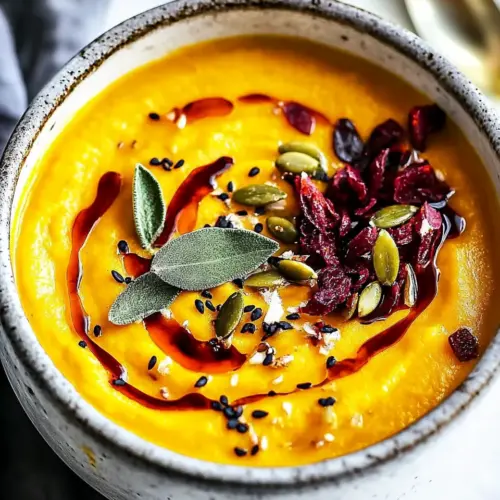
Pumpkin Sweet Potato Soup
Pumpkin Sweet Potato Soup is a creamy, comforting bowl that blends roasted butternut squash and sweet potatoes with warm spices for a silky, flavorful experience. The roasted vegetables bring caramelized depth, while a simple spice mix keeps it cozy and approachable, perfect as an easy weeknight dinner or a festive starter. Make it for the season when you want a nourishing, crowd pleasing soup.
Equipment
- our Vitamix A2300
- Oven-safe glass baking dish (8-inch / 20 cm)
- Non-stick baking sheet
- Regular parchment paper
- Cast-iron Dutch Oven (3-quart / 2.8 liter)
Ingredients
- 1 pound Pumpkin we used butternut squash Provide creamy body and natural sweetness when roasted or simmered, offering a velvety texture that forms the soup's base and mild nutty undertones.
- 1 pounds sweet potatoes (orange) Add earthy sweetness and smooth texture when cooked, enhancing thickness and balancing savory spices while contributing vibrant orange color.
- 3 tbsp Olive oil Coat vegetables for roasting or sautéing, helping to develop caramelized flavors and prevent sticking while adding a subtle fruity richness.
- 1 Onion Soften and sweeten when sautéed, creating a savory foundation by releasing aromatic compounds that deepen the overall flavor profile.
- 2 cloves Garlic Release pungent, aromatic oils when crushed or minced, building savory depth and a gentle heat that complements the sweetness of the squash.
- 4 cup Veggie broth Provide a seasoned liquid base to simmer the vegetables in, contributing salt balance and depth while controlling consistency and mouthfeel.
- 1/2 tsp Sweet smoked paprika powder Impart a smoky, sweet warmth that layers with other spices to enhance complexity and complement the sweetness of the root vegetables.
- 1/2 tsp Cumin Contribute warm, earthy notes and a hint of bitterness that rounds out the soup's taste while pairing well with smoky and sweet flavors.
- 1/2 tsp Thyme (dried) Add herbal, slightly floral undertones that support the other spices and give a subtle savory lift to the overall aroma and taste.
- Salt and Pepper to taste Season to enhance and balance flavors, allowing control over saltiness and heat to make the soup taste harmonious and well-rounded.
- 11 oz Beet (medium) Bring an earthy, slightly sweet flavor and deep color when roasted or simmered, adding complexity and a hearty root-vegetable character to the soup.
Instructions
- Wash, peel and cut butternut squash, sweet potato and beetroot into cubes.: The first sensory cue is the clean, earthy scent of fresh beet and butternut squash as you work. Make sure the cubes are uniform so they roast evenly, about one inch pieces for even caramelization. A common error here is leaving pieces too large which results in uneven cooking, so take a little extra time to match sizes. Use a sharp knife to avoid crushing the vegetables, and you will notice a smoother surface that roasts better. The feel of the knife gliding through the flesh and the faint sweet aroma are good indicators of proper prep. Be mindful of slippery skins when peeling, and steady your cutting board to prevent slips. When cubes are ready, set them aside on a single layer sheet to avoid steaming instead of roasting.
- Take a sheet pan with parchment paper or an oven-safe glass dish and arrange the chopped veggies in one single layer. Sprinkle it with olive oil (2 Tbsp). Toss and turn. Mix it well.: As you arrange the pieces, you should hear them clink slightly on the pan and see a glossy sheen from the Olive oil . Tossing helps every surface get a little oil for browning, which is what creates those caramelized edges that deepen flavor. A slip to avoid is overcrowding the pan, which makes vegetables steam rather than roast; if they are touching too much, use two pans. The visual cue to watch for is evenly coated cubes that are not crowded, and you can rub a bit of oil between your hands to ensure light coverage. The aroma at this stage is subtle but begins to promise something toasty after the oven does its work.
- Pre-heat the oven and roast them on 390-395 Fahrenheit (200 degrees Celsius) for 40-50 minutes until the veggies are soft and tender and the edges are slightly caramelized.: You will notice a warm, nutty aroma filling the kitchen as the sugars in the butternut squash and sweet potatoes caramelize and the beet deepens in color. Test for doneness by piercing a piece with a fork; it should slide through with little resistance. Flip or shake the pan halfway through to ensure even browning. One mistake to avoid is removing them too soon; under roasted cubes will lack the depth of flavor that makes the soup sing. When done, the edges should show golden brown and slightly crisp patches while interiors remain tender and yielding to the touch.
- Peel and chop onion and garlic.: Chopping the Onion and mincing the Garlic releases sharp, aromatic notes that transform into sweeter, mellow tones when cooked. The texture of finely chopped onion should be small and even so it sautés uniformly. A common slip is overheating the pan and browning the garlic too quickly, which produces a bitter note; keep the heat moderate. The visual cue is translucent, glossy onion and soft, fragrant garlic just before it starts to turn golden. The scent will shift from sharp to sweet and toasty as you proceed.
- Take a stockpot or a Dutch oven and heat it over medium heat. Sauté chopped onion and garlic until soft and golden. It will take approx. 3-4 minutes.: As the Onion sweats in the pot, you will hear gentle sizzling and smell its sugars releasing. Stir frequently so the edges do not brown too dark, which can lead to bitterness. The why here is that softened aromatics create a flavor foundation that melds with the roasted vegetables, so don’t rush this step. Be cautious of high heat that quickly browns the garlic; if that happens, lower the temperature and add a splash of broth to deglaze the pan. The desired visual cue is softened, translucent onion with a light golden tint.
- Add roasted butternut squash and sweet potato as well as the seasoning (thyme, cumin, sweet smoked paprika powder, salt, and black pepper). Stir and mix well.: The moment you add the roasted vegetables back to the pot, the kitchen will bloom with a richer, layered scent, mixing roast and spice. Stirring helps the spices adhere and bloom, releasing aromatics from the thyme , Cumin , and sweet smoked paprika powder . The why is simple, seasoning while the pot is warm allows flavors to integrate before adding liquid. One recipe misstep is adding too much salt too early; taste after the broth is added. Visually, you should see the vegetables glistening and seasoning evenly distributed.
- Add vegetable broth and bring it to boil.: When the Veggie broth hits the pot, you will see the mixture come together and hear a soft simmer that rises as it reaches a boil. Bringing it to a boil briefly then lowering to a simmer helps the flavors marry and ensures everything is heated through. Avoid boiling vigorously for long periods, which can evaporate too much liquid and concentrate saltiness. The sensory cue is a steady bubbling and an aroma that now feels cohesive and savory. Taste at this stage to adjust seasonings since the broth can alter the salt and spice balance.
- Take your blender and add the whole soup. Blend it until smooth and creamy.: As you blend, the sound will move from bubbling to a sustained whirr, and the soup will visually transform into a glossy, homogeneous puree. A high powered blender yields the silkiest texture, eliminating any tiny bits, which is why I often use a Vitamix. If using an immersion blender, work in small circles and pause to stir so heat distributes evenly. A typical mistake is overfilling the blender without venting, which can cause pressure buildup; blend in batches if needed and hold the lid with a towel. The final texture should be luxuriously smooth with a sheen that catches the light.
- Serve it with roasted beetroot, pumpkin seeds and anything else you like. More serving tips above the recipe card.: The final presentation brings contrast, with bright beet and crunchy seeds against the creamy soup. Garnishes not only add texture, but they balance flavors, offering an earthy counterpoint and a nutty crunch. A service pitfall is adding cold toppings that cool the soup too quickly, so warm any garnishes if possible. Enjoy the aroma of the finished bowl and the layered mouthfeel from silky soup and crisp accents.
Notes
- Chop vegetables evenly: Smaller, uniform pieces roast faster and more evenly, shortening overall cook time and producing consistent caramelization across the pan.
- Vitamix vs regular blender: A high powered blender like a Vitamix creates an ultra smooth texture without any graininess, while a regular blender or immersion blender still yields a lovely soup but may retain tiny bits.
- Control roast temperature: Roasting at about 200 degrees Celsius allows sugars to caramelize without burning, but watch the oven and rotate the pan for even color.
- Season in stages: Adding a portion of salt before roasting and adjusting after adding broth ensures balanced seasoning and avoids over salting.
- Garnish thoughtfully: Toasted pumpkin seeds add crunch, while a few slices of roasted beet brighten the bowl visually and texturally.