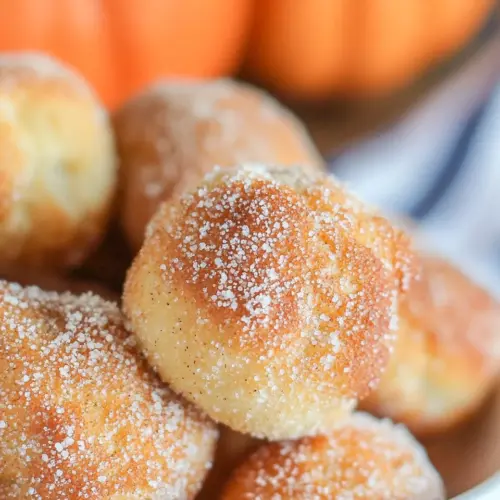
Pumpkin Spice Pretzel Bites
Pumpkin Spice Pretzel Bites are cozy, crispy little treats that combine tender canned biscuit dough with a warm pumpkin spice sugar coating, creating an easy and addictive seasonal snack. These bites are perfect for quick entertaining or an easy weeknight dessert, delivering buttery texture and aromatic spice in every mouthful. Make them for guests or for a simple fall gathering, you will love how fast they disappear.
Equipment
- Baking Sheet
- Parchment Paper
- Shallow Bowl
- Pastry Brush
- Mixing Bowl
Ingredients
- 1 can refrigerated biscuit dough Provides a soft, pre-shaped dough base for quick pretzel bites; contains leavening and fat that create tender, flaky texture when baked. Enables fast preparation without needing separate dough mixing or rising, making the recipe convenient for weeknight or party snacks.
- 2 tablespoons baking soda Creates an alkaline bath that promotes a characteristic pretzel brown crust and helps achieve a chewy exterior; dissolves in water to form the necessary solution. Enhances Maillard reaction and surface color while imparting subtle pretzel flavor when briefly boiled.
- 1 1/2 cups warm water Supplies the dissolving medium for the baking soda to form the alkaline bath and helps control water temperature for dough handling. Warms the dough slightly for easier shaping and ensures even distribution of the baking soda solution for consistent crust development.
- 1/2 cup melted butter divided Moistens and enriches the pretzel bites while adding buttery flavor; divided usage allows for brushing before and after baking for different effects. Melted portion incorporated into the coating or brushed on top creates a glossy finish and helps sugar and spice adhere.
- 1/2 cup granulated sugar Contributes sweetness and a clean, crystalline texture to the coating; balances brown sugar and spice for surface caramelization. Sprinkled on finished bites to add crunch and contrast with the soft interior, enhancing overall bite experience.
- 1/2 cup brown sugar Adds deeper, molasses-like sweetness and moisture to the coating; complements granulated sugar by providing richness and chewiness where crystals soften. Helps produce a slightly sticky, caramelized surface when combined with melted butter and heated briefly.
- 2 teaspoons pumpkin spice Imparts warm, aromatic flavor notes of cinnamon, nutmeg, ginger, and clove that define the pumpkin spice profile; used to season the sweet coating. Balances sugars and butter to create a seasonal, spiced finish that complements the neutral biscuit dough.
Instructions
- Preheat oven to 400 degrees F.: As the oven warms, you will notice the faint scent of heat in the kitchen and a steady hum from the element, signaling readiness. By preheating to 400 degrees F , you ensure the dough hits a hot environment so the exterior sets quickly while the interior stays tender. If you skip preheating, the bites will bake unevenly and may not develop that slightly crisp outer shell. A common mistake is placing the tray in a not fully hot oven, which can lead to pale, underbaked pieces, so wait until the oven reaches temperature before baking.
- Line a large baking sheet with parchment paper.: The parchment creates a nonstick surface and prevents the bottoms from over browning, and you will hear a soft rustle as you smooth it into place. Using parchment also makes cleanup fast and keeps the underside color even. Avoid placing dough directly on an unlined sheet, which often causes sticking and uneven browning. If you skip parchment, lightly oil the pan and watch the bottoms closely for early browning.
- Cut each biscuit into six pieces and roll them into small, arrange them on the baking sheet.: As you cut and roll, you will feel the soft, slightly cool dough yield in your hands, and the pieces should be roughly uniform in size for even baking. Rolling them into tight little balls encourages a tender interior and predictable bake time. If pieces are uneven, some will brown faster than others, so take a moment to match sizes. One common issue is overworking the dough which warms it too much and makes it sticky, so if that happens chill the dough briefly before continuing.
- Fill a shallow bowl with the warm water and add baking soda to it. Whisk until the baking soda is dissolved.: When you mix baking soda into the warm water, you will notice a faint fizz and the solution will become clear, ready to gently transform the dough surface. This bath helps create that subtly chewy, pretzellike exterior and encourages deeper color during baking. If the water is too hot, it can soften the dough excessively, so aim for comfortably warm. A frequent mistake is using cold water which slows dissolution, preventing the desired reaction.
- Use a pastry brush to brush the solution onto the dough balls. Wait for the dough to dry slightly, about 3-5 minutes, then brush with about 2-3 tablespoons of melted butter.: As you brush, the dough surface will briefly glisten, then dull as it dries; this drying window helps set the coating. Brushing with butter before baking adds flavor and promotes browning. The tactile cue is a slightly tacky, not wet, surface before the butter brush. Rushing to the oven while it is still soggy can cause the dough to collapse or spread more than desired, so allow that 3 to 5 minute rest for best texture. Avoid slathering too much butter at this stage which can lead to overly greasy bites.
- Bake until golden, 10 to 12 minutes. Let cool slightly.: During baking you will see the bites puff a touch and edges turn golden brown, and the kitchen will fill with a warm, toasty scent. The specified 10 to 12 minutes window gives a reliable golden finish while preserving a tender center. Pull one from the oven when the tops are deep golden rather than pale. A common error is overbaking which yields a dry interior, so check a minute or two early if your oven runs hot.
- Whisk together sugars and pumpkin spice in a medium bowl.: As you whisk, the granulated and brown sugars will combine into a speckled, fragrant blend with flecks of pumpkin spice throughout, releasing warm notes of cinnamon and nutmeg. This aromatic mixture is what gives the bites their seasonal personality and clings best when the bites are still warm. If the sugars are clumpy, break them up with the back of a spoon to ensure even coating. Using too much spice can overpower the sweetness, so keep to the measured amount for balance.
- Toss the slightly cooled pretzels in the remaining melted butter then toss in the pumpkin spice and sugar mixture.: The moment you dip the warm bites into the remaining butter , they will glisten, and as you tumble them in the sugar spice mix you will hear a faint, satisfying rustle as the crystals adhere. The buttery coating helps the sugar stick and creates a glossy, spiced exterior. Make sure the bites are only slightly cooled; if they are too hot the sugars can melt into a syrup and clump. A common slip is waiting until the bites are cold, which prevents the sugar from adhering properly.
- Serve warm or at room temperature.: The ideal experience is when they are still warm and the sugar is tender on the outside, releasing the pumpkin spice aroma when bitten into. At room temperature they remain pleasant, but some of the initial toasty warmth fades. If storing, place them in an airtight container and gently reheat for a few seconds to revive that fresh from oven sensation. Avoid refrigerating which can dry the bites out quickly.
Notes
- Measure accurately: Use proper measuring cups for the sugars and water to keep the coating balance correct and avoid overly sweet or underflavored bites.
- Uniform pieces: When you cut each biscuit into six pieces, try to make them similar in size so they bake evenly; mismatched pieces mean some will be overdone while others remain pale.
- Watch the oven: Ovens vary, so check the bites a minute or two before the suggested time to prevent overbrowning and dryness.
- Brush technique: Use a light, even hand when applying the baking soda solution and melted butter; too much liquid can cause the dough to become soggy or spread during baking.
- Cool slightly before tossing: Let the bites rest just enough to be handleable, then toss in the sugar mixture; if they are too hot the sugars will melt and clump.
- Storage tip: Keep leftovers in an airtight container at room temperature and rewarm briefly to revive their texture before serving again.