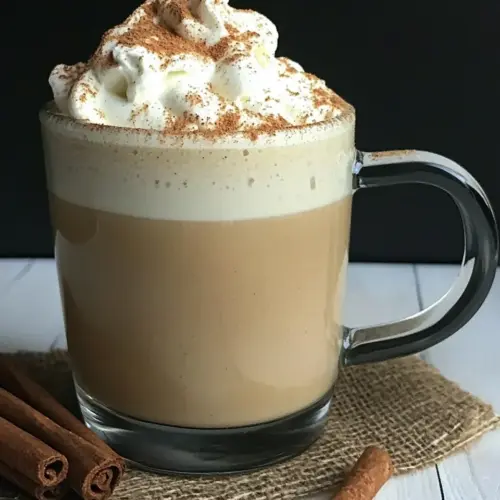
Pumpkin Spice Latte
Pumpkin Spice Latte brings creamy spiced pumpkin and hot coffee together for a cozy cup. This easy to make seasonal drink is creamy, warmly spiced, and perfect for a quick fall morning treat or an easy weeknight pick me up. With simple pantry staples you can enjoy a cafe style latte at home, making it a reason to celebrate seasonal flavors.
Equipment
- Glass measuring cup
- Whisk
- Microwave
- Mug
Ingredients
- 1/2 cup milk (nonfat, whole, almond, soy, etc.) Heat gently and froth to create a creamy base that blends with pumpkin and coffee, providing the milkiness and texture key to a latte. Choose nonfat, whole, almond, or soy based on desired richness and dietary needs, as each will subtly change mouthfeel and flavor. Warmed milk helps integrate the pumpkin puree and spices for a smooth, cohesive drink.
- 2 tablespoons unsweetened pumpkin puree Add directly to the milk mixture and whisk until fully incorporated to deliver authentic pumpkin flavor and body. Use unsweetened puree to control sweetness while contributing natural viscosity and vegetal notes that pair with coffee and spices. Stir well while heating to avoid lumps and ensure even distribution.
- 1 teaspoon brown sugar Dissolve into the warm milk and pumpkin blend to contribute gentle caramel-like sweetness that complements the spices without overpowering espresso. Brown sugar adds depth and moisture compared with plain granulated sugar, enhancing the overall cozy profile of the beverage. Adjust quantity to taste for preferred sweetness level.
- 1 teaspoon vanilla extract Stir in with the sugars and pumpkin to add aromatic, sweet-vanilla notes that round out the spice and coffee. Use pure vanilla extract for the best flavor impact; it brightens and balances the richness from milk and cream while melding with pumpkin pie spice. Add after heating off the stove to preserve its delicate aroma.
- 1/4 teaspoon pumpkin pie spice Sprinkle into the pumpkin-milk mixture and whisk thoroughly to infuse warm, autumnal spice flavors like cinnamon, nutmeg, and cloves. Pumpkin pie spice provides the characteristic seasonal profile and enhances the pumpkin puree without additional individual spices. Use as directed to avoid overpowering the coffee base.
- 1 cup brewed coffee or espresso Pour hot brewed coffee or a shot of espresso over the pumpkin-milk mixture to form the caffeinated foundation of the latte. Choose strong brewed coffee or espresso depending on desired intensity; the bitterness balances the sweetness and creamy components for a classic PSL experience. Combine slowly to maintain a layered, well-blended beverage.
- 2 tablespoons half and half cream Stir into the finished latte for added richness and a silkier mouthfeel that mimics cafe-style texture. Half and half increases creaminess and helps the foam hold, contributing a luxurious finish without being as heavy as heavy cream. Add to taste for preferred creaminess and to balance strong coffee.
- 2 teaspoons granulated white sugar Mix into the milk or sprinkle on top to provide extra sweetness and to help the flavors meld; granulated sugar dissolves easily in warm liquids. Use to adjust overall sweetness level independently from the brown sugar and pumpkin puree. Stir until fully dissolved for a smooth, balanced drink.
- whipped cream and nutmeg (optional) Top the prepared latte with whipped cream and a light dusting of nutmeg for visual appeal and an indulgent finishing touch. Optional toppings add creaminess, a contrasting cold texture, and an extra hit of spice aroma that elevates presentation and flavor. Use sparingly to complement rather than overpower the beverage.
Instructions
- In a glass measuring cup or microwave-safe bowl, whisk together the milk, pumpkin, brown sugar, vanilla and spice. Microwave for 1 to 2 minutes - watch closely and remove it from the microwave when the milk is hot and frothy. (alternately, you can heat it on the stove): As you begin, notice the cool, slightly viscous texture of the milk meeting the dense, earthy pumpkin puree; the brown sugar falls in with a faint molasses scent. Whisk vigorously until the mixture becomes uniform, watching the ingredients lose their separate identities and form a smooth amber batter; this uniformity is what lets the spices and sugars integrate rather than float. Heating a homogenous mix prevents clumps of puree or pockets of undissolved sugar when warmed. A common mistake is under whisking, which leaves gritty bits of pumpkin; take a few extra seconds to fully combine. Use a heatproof vessel so you can both stir and later microwave safely.
- Pour the pumpkin milk into a tall mug or glass. Add hot coffee. Add the cream. Add a teaspoon of sugar. Stir, and taste. Add another teaspoon of sugar, if desired. Stir!: As the mixture warms, steam will curl from the surface and a creamy foam will form around the edges; that gentle froth is a visual cue the milk has reached an ideal temperature. In the microwave the mixture will bloom quickly, so keep the power moderate and check at forty five second intervals. On the stove, heat over medium low, whisking as it warms, until tiny bubbles form at the edge and small pockets of steam rise; this slower method encourages deeper flavor melding. If you overheat, milk can scorch or form a skin, producing an unpleasant burnt note, so avoid bringing it to a rolling boil. The scent should shift from raw dairy to a spiced, warmed aroma, signaling readiness.
- Optional, but oh so good... add whipped cream on top and a sprinkle of nutmeg. Serve immediately!: When you pour, watch the liquid cascade into the mug, the warm orange hue settling against ceramic or glass. The visual contrast of the spiced milk against the cup is pleasing, and the residual froth clings to the sides, hinting at texture. Pour steadily to keep the foam intact and to avoid splashing. Pouring too quickly can introduce large bubbles that collapse fast; aim for a gentle stream for best presentation. This step starts the layering process and sets the stage for the coffee to follow.
- Add hot coffee: When the hot brewed coffee meets the pumpkin milk, you will see the two tones swirl and then unify into a darker, richer color; that movement smells like toasted beans and warming spice. Use freshly brewed coffee or a shot of hot espresso to give the drink body and aromatic lift. Pouring the coffee in while the milk is still warm helps the flavors blend seamlessly. A mistake I often warn about is using lukewarm coffee, which prevents proper melding and can make the final cup taste flat; always use hot coffee straight from the brewer.
- Add the cream: When you stir in the half and half cream, the mouthfeel instantly rounds out, and the surface may take on a silky sheen. The cream softens coffee bitterness and lets the pumpkin flavors feel more luxurious. Add it slowly and watch as the texture becomes creamier rather than oily. Overdoing the cream will mask the coffee, so measure carefully. If the drink separates or looks curdled, it likely indicates your coffee was too hot or the dairy was under whisked before adding; gentle stirring usually rescues the texture.
- Add a teaspoon of sugar, stir and taste: Start with one teaspoon then taste, because sweetness preference varies. As you stir, listen to the soft swish and watch the sugar dissolve into the warm liquid; dissolved sugar will no longer sparkle. This tasting moment is crucial, it lets you calibrate the balance between spicy, bitter, and sweet. If the sugar does not dissolve after a moment, warm the mug briefly and stir again; undissolved grains will create a sandy mouthfeel, which is unpleasant. Resist the urge to dump in more sugar without tasting first.
- Add another teaspoon of sugar if desired and stir: If after the first taste you prefer it sweeter, add the second teaspoon, stirring until fully incorporated. The second addition should round the profile rather than making it cloying, so add gradually. Be mindful that additional sugar also amplifies other flavors, sometimes pushing the spices forward. A common error is over sweetening, which flattens complexity; adjust conservatively and rely on tasting rather than guessing.
- Optional but oh so good add whipped cream on top and a sprinkle of nutmeg: The whipped cream introduces a cool cloud of creaminess that contrasts the hot drink beneath, and a light dusting of nutmeg brings a bright aromatic finish that hits your nose before the sip. When adding whipped cream, pipe or spoon a modest cap so it does not overwhelm the cup. Freshly grated nutmeg will be more lively than pre ground, but both work. If you add too much whipped cream, the drink will cool faster and the coffee will be less prominent, so use sparingly if you want the warmth to last. Serve immediately to enjoy the contrast of hot and cold textures.
- Serve immediately: Present the cup while it is hot so the fragrance carries and the foam remains pleasant. As the drink sits, the foam collapses and the flavors can settle, so immediate serving preserves the intended experience. I like to offer an extra stirring spoon and a small saucer in case guests want to adjust sweetness. If left unattended, the surface may form a thin skin or the whipped cream will melt into the cup; these are harmless but change the mouthfeel. Enjoying it right away ensures the warm spices and coffee are at their brightest.
Notes
- Richer mouthfeel Swap the milk for whole milk or add an extra tablespoon of half and half cream to create a silkier, more indulgent cup without changing the preparation steps.
- Dairy free option Use unsweetened almond or soy milk to keep the drink plant based. Note that plant milks froth differently, so whisk a little longer to coax foam.
- Stronger coffee Use a shot or two of hot espresso in place of brewed coffee for a bolder flavor and a more traditional latte profile.
- Less sweet Reduce the brown sugar and white sugar to one teaspoon total, then taste. This preserves spice clarity while lowering calories.
- Spice boost Increase the pumpkin pie spice by an eighth to a quarter teaspoon for a warming, aromatic lift, but add gradually to avoid overpowering the coffee.
- Froth without equipment For a foamier top, pour the heated pumpkin milk between two heatproof containers several times or shake vigorously in a sealed jar before pouring.