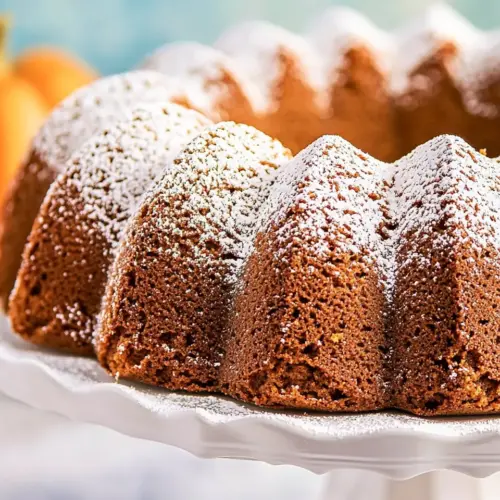
Pumpkin Pound Cake
Pumpkin Pound Cake is a moist, warmly spiced loaf that fills the kitchen with aromatic cinnamon and nutmeg. This easy, crowd pleasing dessert uses simple pantry ingredients to create a tender crumb and autumnal flavor, perfect for Thanksgiving or cozy gatherings. Make it for a simple yet impressive sweet that travels well and keeps for days.
Equipment
- 10 inch fluted tube pan or bundt pan
- Electric Mixer
- Mixing Bowls
- Wire Rack
Ingredients
- 2 1/2 cups granulated white sugar Provides sweetness and moisture, helping to tenderize the crumb while contributing caramelization and structure during baking. Dissolves into the batter to evenly distribute flavor and support leavening reactions with baking soda. Balances the savory pumpkin and warm spices for a classic pound cake profile.
- 1 cup neutral oil (vegetable, canola or avocado) Contributes fat and moistness, creating a tender, rich texture while carrying flavor and improving shelf life. Offers a neutral taste so pumpkin and spices remain prominent, and helps emulsify wet and dry ingredients for uniform crumb. Allows easier mixing and produces a soft, dense pound cake crumb.
- 3 large eggs Adds structure and richness while incorporating air when beaten, improving volume and contributing to a fine, tender crumb. Binds ingredients together and aids in leavening through trapped steam and fat from the yolks. Enhances color and depth of flavor in the finished cake.
- 3 cups all purpose flour Forms the primary dry structure by providing gluten and bulk that hold gas bubbles and set the cake as it bakes. Works with the leavening to produce crumb and texture; overmixing can develop too much gluten and toughen the cake. Balances the wet ingredients to create a classic dense yet tender pound cake.
- 2 teaspoons baking soda Acts as a chemical leavening agent when reacting with acidic components like pumpkin, producing carbon dioxide to lighten the dense batter. Helps create lift and an even crumb without altering flavor significantly when measured accurately. Ensures proper rise and texture for a moist pound cake.
- 1 teaspoon ground cinnamon Imparts warm, aromatic cinnamon flavor that complements pumpkin, enhancing the overall spice profile. Adds depth and a recognizable seasonal character while blending smoothly into the batter. Balances sweetness and provides a pleasant aroma during baking.
- 1 teaspoon ground nutmeg Contributes sweet, nutty warmth that deepens the spiced notes and complements cinnamon and cloves. Enhances complexity without overpowering other flavors and supports the pumpkin's earthy profile. Works well in small amounts to round out the spice blend.
- 1/2 teaspoon salt Provides essential seasoning to enhance and balance the cake's sweetness and spice, preventing the batter from tasting flat. Strengthens other flavors and helps control the perception of sweetness. Ensures the finished cake has a well-rounded taste.
- 1/4 teaspoon ground cloves Adds concentrated warm, slightly bitter spice that heightens complexity and pairs well with pumpkin and cinnamon in small amounts. Offers pungent aromatic notes that cut through sweetness and create a more interesting flavor profile. Should be used sparingly to avoid overpowering the cake.
- One 15-ounce can unsweetened pumpkin puree Contributes moisture, body, and characteristic pumpkin flavor while adding natural sugars and fiber that interact with leavening for tenderness. Supplies a subtle earthy sweetness and color, helping to keep the pound cake moist and slightly dense. Works as a primary flavor component that complements the spice blend.
- 2 tablespoons powdered sugar Provides a light dusting of sweetness and a subtle finish when sprinkled or dusted over the cooled cake for presentation. Helps highlight texture and adds a delicate contrast to the spiced pumpkin interior. Can be sifted on top to create an attractive final touch.
Instructions
- Preheat the oven to 350℉. Spray a 10-inch fluted tube pan or bundt pan with nonstick spray.: You will notice the oven warming and a gentle hum as it steadies at temperature, which creates consistent heat for even rise and crust formation. Preheating ensures the batter begins baking right away, producing the right oven spring and set structure. A common error is putting the batter into a lukewarm oven, which can lead to sinking centers and gummy texture. Make sure the pan is well greased so the cake releases cleanly, and if your pan is dark, consider reducing the oven temperature by 10 to 15 degrees to prevent overbrowning.
- In a large bowl, use an electric mixer to combine the sugar and oil until well-blended. Add the eggs, one at a time, beating well after each addition.: As you mix, the aroma of sugar and oil will be neutral but the batter will take on a silky sheen, signaling proper emulsification. Adding the eggs gradually allows them to incorporate smoothly, creating a stable batter that traps air for lift. If you add all the eggs at once, the mixture can separate or become lumpy, which affects texture. Scrape the bowl between additions to ensure even distribution, and stop mixing as soon as it's combined to avoid overworking the batter.
- In a medium bowl, whisk together the flour, baking soda, cinnamon, nutmeg, salt and cloves; add to the egg mixture alternately with the pumpkin, beating well after each addition.: Whisking the dry flour and spices distributes the leavening and spices uniformly so each bite tastes consistent and the rise is even. Alternating additions of dry and wet prevents the batter from becoming too stiff or too loose, helping you maintain a tender crumb. The batter should feel smooth and slightly thick when mixed; if it feels grainy, you may have overmeasured flour. A frequent mistake is dumping all ingredients at once, which can cause uneven mixing and pockets of flour or clumps of pumpkin. Fold gently between additions and avoid prolonged high speed mixing which can make the cake tough.
- Scrape the batter into the prepared pan. Bake for 60 to 65 minutes, or until a toothpick inserted into the center comes out clean. Cool for 10 minutes before inverting the cake onto a wire rack. Let it cool completely. Dust the cake with powdered sugar before serving.: You will hear a soft scrape as the batter slides into the pan, and the surface should be even and glossy. Using a rubber spatula ensures you transfer as much batter as possible, reducing waste and producing a full, evenly baked loaf. If you underfill the pan, the cake will be shallow and may bake more quickly than expected; overfilling can lead to spillage. Tap the pan lightly on the counter to release large air bubbles, but do not aggressively knock the batter which could deflate desired lift.
- Bake for 60 to 65 minutes, or until a toothpick inserted into the center comes out clean.: During baking the kitchen will fill with a warm, spiced fragrance and the top will develop a golden to deep amber hue. The sound is quiet, but you may notice a slight crackle as the crust sets. The toothpick test ensures the interior is set; if the center remains sticky, continue baking in short increments and check again. Avoid opening the oven door frequently in the early stages, as temperature fluctuations can cause the cake to sink. If the top browns too quickly, tent loosely with foil and continue baking until the center tests done.
- Cool for 10 minutes before inverting the cake onto a wire rack. Let it cool completely.: After removing the pan, the cake will still be hot and tender, and allowing it to rest stabilizes the crumb and makes release easier. The scent will mellow as it cools, and you will see steam dissipate from the cut edges. Inverting too soon can cause the cake to break, while waiting too long makes it stick to the pan. Ten minutes is a sweet spot; if the cake seems stubborn, gently run a thin knife around the edges before turning out.
- Dust the cake with powdered sugar before serving.: The final act is visual and aromatic, as the powdered sugar adds a soft sweetness and bright contrast to the warm colored loaf. Sifting the powdered sugar over a fine mesh creates an even dusting that catches in the fluted ridges. If you apply the sugar while the cake is still warm, it may dissolve into the surface rather than settle attractively. For a more decadent finish, you could add a glaze, but be mindful that extra moisture may alter the shelf life slightly.
Notes
- Use room temperature eggs to ensure they emulsify smoothly with the oil and sugar, which promotes an even, tender crumb.
- Weigh your flour when possible, as volume measurements can vary and lead to drier or heavier cakes; accurate flour quantity keeps the texture consistent.
- Sift powdered sugar before dusting so it falls evenly and avoids clumps, giving a clean, delicate finish on the fluted top.
- Test for doneness with a toothpick rather than relying solely on the clock, since oven temperatures can vary and the center can remain underbaked if not checked.
- Tent with foil if browning too quickly to protect the top while the interior finishes baking, preventing a burnt outer crust with an underdone center.
- Store tightly wrapped at room temperature for up to three days, or freeze slices individually to preserve freshness for longer periods.