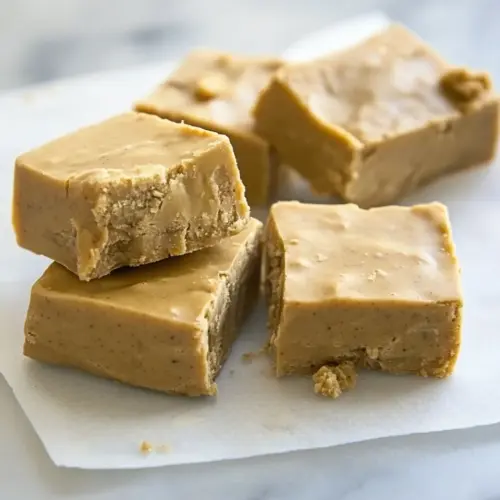
Pumpkin Fudge
Pumpkin Fudge is a creamy, spiced autumn treat that blends velvety white chocolate with pumpkin and marshmallow for a luscious texture. This easy to share sweet is perfect for fall gatherings and holiday cookie trays, delivering warm pumpkin pie notes and a satisfying crunch from chopped pecans. Make a batch for an easy holiday gift or a cozy snack that practically begs to be set out at every get together.
Equipment
- Heavy saucepan
- Candy thermometer
- 13 x 9-inch baking pan
Ingredients
- 3/4 cup butter Creamy and rich, provides the primary fat and smooth texture that helps bind and carry flavors throughout the fudge; melts into the sugar to create a glossy, tender confection and aids in setting the final consistency once cooled.
- 2 cups sugar Sweet and crystalline, supplies bulk sweetness and structure by caramelizing slightly during cooking to develop depth of flavor; helps achieve the proper sugar concentration necessary for a firm, sliceable fudge.
- 3/4 cup firmly packed brown sugar Moist and molasses‑forward, adds complex brown sugar notes and subtle chewiness while contributing additional sweetness and moisture balance; works with granulated sugar to deepen the overall caramelized flavor profile.
- 2/3 cup evaporated milk Concentrated and creamy, contributes dairy solids and body that help control texture and prevent grainy sugar crystallization during cooking; raises the boiling point slightly to assist in reaching the desired fudge stage.
- 1/2 cup canned pumpkin Vegetable‑puree and subtly earthy, introduces seasonal pumpkin flavor and moisture that complements spices and lightens the dense sweetness; helps create a distinct pumpkin profile without overwhelming texture.
- 1 1/2 to 2 teaspoons pumpkin pie spice, (depending on how much spice you like) Warm and aromatic, imparts classic pumpkin‑pie seasonings — cinnamon, nutmeg, cloves, and ginger — that define the spice character; adjust amount to balance sweetness and enhance the dessert’s seasonal identity.
- 1 (11 ounce) package white chocolate chips Smooth and sweet, provides a creamy white chocolate base that lends a mellow vanilla‑cocoa butter flavor and helps the fudge set with a silky mouthfeel; melts into the mixture for richness and sweetness.
- 1 (7 ounce) jar marshmallow creme Fluffy and sweet, contributes light marshmallow sweetness and soft, stretchy texture that helps create a marshmallow‑like interior and stabilizes the fudge for a smoother bite; folds in for added chew and sweetness.
- 1 cup chopped pecans Crunchy and nutty, delivers toasty pecan flavor and textural contrast that balances the richness and sweetness; disperses within the fudge to provide bite and a pleasant nutty aroma.
- 1 1/2 teaspoons vanilla extract Fragrant and rounding, boosts overall flavor with a pure vanilla aroma that enhances sweetness and ties together the chocolate, pumpkin, and spices; use to finish the mixture for a balanced, aromatic profile.
Instructions
- In a heavy saucepan, combine the first 6 ingredients (butter, sugar, brown sugar, evaporated milk, pumpkin, pumpkin pie spice); cook mixture over medium heat.: The first sensory sign is the butter melting into a glossy pool, followed by the sugars dissolving and the pumpkin folding in to create a uniform amber mixture. You will notice a gentle simmer forming, with little bubbles rising steadily, and the aroma will shift from sweet butter to warm spices. Why this matters, the even heat helps dissolve sugar granules and prevents localized scorching, which would yield grainy fudge. Troubleshooting tip, if you see dark specks forming on the pan bottom, immediately reduce the heat and stir more vigorously to prevent burning.
- Bring mixture begins to a boil, stirring constantly. Boil mixture until candy thermometer reaches soft-ball stage (234-243 degrees). It's best to use a candy thermometer but if you don't have one you can boil the mixture until it gets foamy and once it's foamy boil for an additional 4-6 minutes.: The mixture will transform, becoming frothy as steam drives moisture out, and the sound will change to a steady, higher pitched simmer. The visual cue is a thickening stream when you lift the spoon, and the scent intensifies into deep caramel notes. Hitting the soft ball stage is crucial because it determines set and chew. Troubleshooting tip, if you undercook it, the fudge will be too soft and sticky; if you overcook, it will become dry and crumbly.
- Remove pan from heat; stir in chocolate chips until melted. It's important to remove it from the heat so that the chips don't get overheated and turn grainy.: Off the heat, the white chocolate chips will melt into silky ribbons when stirred, producing a glossy, pale mixture. You will feel the viscosity shift under the spoon as it smooths out, and the aroma will sweeten with cocoa butter notes. This step matters because residual heat finishes the melt without breaking the cocoa butter emulsion, which would lead to a mealy texture. Troubleshooting tip, if you see graininess forming, quickly continue stirring off heat and consider a brief warm water bath under the pan while stirring to gently re-emulsify.
- Add the marshmallow cream, pecans, and vanilla and stir to combine well.: Once added, the marshmallow creme will lighten the batter, creating a pillowy sheen, while the pecans add flecks of toasted color and crunchy contrast. As you fold, listen for the soft tearing sound of the marshmallow integrating, and observe the mixture become smoother and more voluminous. The why here is texture balancing, the marshmallow prevents the fudge from being too dense and the pecans deliver a needed textural counterpoint. Troubleshooting tip, folding too aggressively can deflate some of the marshmallow airiness, so fold gently until just combined.
- Pour into a buttered 13 x 9 inch baking pan; cool to room temperature.: As you pour, the mixture will settle into a glossy sheet that gradually loses heat and firms around the edges first; the center will remain slightly jiggly for a while. Visual cues include a shift from liquid gloss to a matte sheen as it cools, and the scent will soften into a baked sugar note. Cooling to room temperature ensures a clean cut with even texture throughout. Troubleshooting tip, placing it in the refrigerator too soon can cause uneven setting and condensation, leading to a sticky surface.
- Cut into squares; store in the refrigerator in an air-tight container. I like eating it at room temperature.: When you cut, use a sharp knife to create clean edges, and if needed, warm the blade for smoother slices. You will notice the crumb holds together and the cross section reveals pockets of nut and marshmallow. Storing chilled extends shelf life and keeps the texture stable, while bringing squares to room temperature before eating restores the fudgy mouthfeel. Troubleshooting tip, if squares crumble, they were either undercooked or the knife was dull, so recheck the set next time and use a warmed, sharp blade for slicing.
Notes
- Adjust the spice level: If you prefer a subtler warmth, use 1 1/2 teaspoons of pumpkin pie spice. For more pronounced autumn notes, increase to 2 teaspoons. Taste and adjust in future batches rather than altering the first one you make.
- Toast the nuts: Lightly toasting the pecans enhances their nuttiness and adds depth. Spread them on a baking sheet and toast at moderate temperature until fragrant, then cool before chopping to preserve crunch.
- Control the chew: For firmer squares, ensure you hit the soft ball stage accurately. If the fudge comes out too soft, add an extra minute or two at the foamy boil step next time to reduce moisture.
- Improve slicing: Warm a sharp knife under hot water and dry it before slicing for clean edges. Wiping the blade between cuts prevents dragging and keeps each square looking neat.
- Serve room temperature: While refrigeration helps storage, letting pieces come to room temperature restores the ideal creamy mouthfeel, so remove from the fridge 20 to 30 minutes before serving.