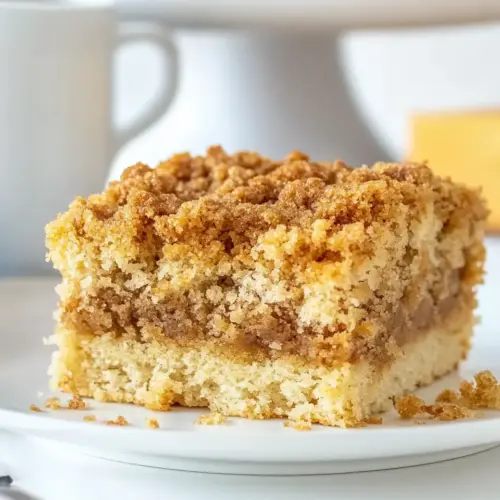
Pumpkin Coffee Cake
Pumpkin Coffee Cake is a moist, spiced fall treat with a buttery streusel and tender pumpkin layers, perfect for cozy mornings and holiday brunches. This easy autumn dessert uses pantry staples and yields a soft crumb with crunchy topping, ideal for an easy weeknight bake or festive gathering. Make it to share with friends, family, or to savor slowly with a warm cup of coffee.
Equipment
- 9 x 13-inch pan
- Electric Mixer
- Mixing Bowls
Ingredients
- 1 cup packed light brown sugar Provide deep molasses notes and moistness to the cake; helps create a caramelized, tender crumb when creamed with butter. Add into batter to balance sweetness and enhance the pumpkin and spice flavors throughout the loaf.
- 1/3 cup butter, softened slightly Introduce rich, creamy fat that contributes to tender texture and helps create a light crumb when beaten with sugar. Soften slightly to ensure easy creaming and even incorporation without melting completely.
- 2 teaspoons ground cinnamon Impart warm, aromatic flavor that complements pumpkin and brown sugar; enhances depth and seasonal character. Use in both batter and streusel or sprinkle to accentuate spice profile throughout the cake.
- 1 cup chopped pecans or walnuts, optional Add crunchy texture and nutty flavor, contributing contrast to the soft cake; toasted nuts intensify aroma and richness. Fold in at the end or sprinkle on top for visual appeal and textural variety.
- 1/2 cup butter, at room temperature Provide additional fat for moisture and tenderness, helping to create a rich, soft crumb when creamed with sugar. Bring to room temperature to ensure it blends smoothly into the batter for consistent texture.
- 3/4 cup granulated white sugar Sweeten the batter while contributing to structure and aeration when creamed with butter; aids browning on the surface. Use measured amount to achieve balanced sweetness that complements pumpkin and spices.
- 1 teaspoon vanilla extract Contribute a floral, sweet aroma that enhances overall flavor balance and highlights pumpkin’s natural sweetness. Add with the wet ingredients to disperse flavor evenly throughout the cake.
- 3 large eggs Provide structure, richness, and leavening support; eggs help emulsify the batter for a uniform texture. Use large eggs at room temperature to promote volume and even incorporation into the mixture.
- 2 cups all-purpose flour Create structure and body by forming the cake’s crumb; flour absorbs moisture and supports leavening gases. Measure and sift if needed to avoid lumps and ensure a tender, even texture.
- 1 teaspoon baking powder Contribute gentle lift and lightness by releasing carbon dioxide during baking; helps the cake rise evenly. Combine with other leaveners and dry ingredients for reliable texture and oven spring.
- 1 teaspoon baking soda Offer additional leavening and tenderizing action by reacting with acidic components; balances rise and crumb. Ensure proper measurement to avoid metallic or soapy flavors while promoting appropriate volume.
- 1 cup sour cream Add moisture, tang, and richness while activating baking soda for proper rise; contributes a smooth, tender crumb. Stir gently to maintain creaminess and distribute evenly for consistent texture.
- One 16 ounce can unsweetened pumpkin puree Provide concentrated pumpkin flavor and moisture, contributing to the cake’s dense, tender crumb; supplies natural color and nutrients. Use unsweetened puree to control overall sweetness and retain authentic pumpkin taste.
- 1 large egg, slightly beaten Bind and glaze fillings or toppings while adding richness and slight structure; beaten egg can be used for wash or incorporation into components. Use slightly beaten to ensure even distribution without overworking the batter.
- 1/3 cup granulated white sugar Contribute a small, even sweetness to a topping or glaze while balancing stronger flavors; granulated sugar adds crispness when sprinkled. Use measured amount for controlled sweetness without overpowering pumpkin notes.
- 1 teaspoon pumpkin pie spice Bring warm, complex autumnal spice blend that complements pumpkin and cinnamon; enhances overall depth and aroma. Use sparingly to avoid overwhelming the batter while ensuring classic pumpkin spice character.
Instructions
- Mix the topping ingredients together with fork or hands until crumbly. Set aside.: You will notice the sound of crumbs breaking as you rub the butter into the sugars and cinnamon , and a dusty aroma will rise from the spices, signaling the streusel is ready. This texture matters because the streusel must remain coarse enough to form crunchy pockets on top. If you overwork the mixture it can turn pasty, so stop when you can pinch clumps together between your fingers. One common mistake is using melted butter, which will result in a gluey mix that does not crisp properly.
- Preheat the oven to 325°F. Spray a 9 x 13-inch pan with nonstick spray.: As the oven warms, you should feel the kitchen temperature shift and smell a faint neutral heat from the preheating element. Preheating ensures the cake begins baking immediately and helps even rise. Coating the pan prevents sticking and makes removal easy. Avoid putting the pan in a still-cold oven, because slow heat can cause a dense center. A frequent misstep is not allowing the oven to reach temperature before baking, which affects texture and bake time.
- Use an electric mixer to cream together the butter, sugar and vanilla in a large bowl; add eggs and beat well.: Creaming introduces air, producing a lighter crumb; you will see the color lighten and the texture become smooth and glossy as sugar dissolves into the butter . When you add each egg , the batter should look cohesive and fluffy. If the mixture looks curdled, a splash of warm sour cream can help bring it back together. Avoid rushing the creaming stage; under creamed butter produces a dense cake, and over creaming at too high a speed can warm the butter too much.
- In a separate bowl, whisk together flour, baking powder, and baking soda. Mix dry ingredients into the butter mixture half at a time, alternating with half of the sour cream.: Whisking the dry mix distributes the leaveners evenly, preventing pockets of baking powder or soda. Alternating additions keeps the batter emulsified and reduces gluten development, which preserves tenderness. Look for a smooth batter with no streaks of flour and a slightly thick but pourable consistency. A common error is dumping all the flour at once, which can lead to overmixing and a tough texture.
- In another bowl, combine the pumpkin puree, egg, 1/3 cup sugar, and pie spice. Keep separate.: Mixing these ingredients releases a snug, spicy scent and creates a cohesive pumpkin filling. The beaten egg helps the pumpkin layer set during baking, while the 1/3 cup granulated white sugar balances the pumpkin’s earthiness. Keep this mixture separate until layering so it retains its identity within the cake. A mistake to avoid is making the pumpkin mixture too runny by adding liquid, which can seep into the batter and create soggy pockets.
- Spoon half of the batter mixture into the prepared pan. Sprinkle half of the streusel topping over the batter. Spread the pumpkin mixture over the streusel. Carefully spread the remaining batter over the pumpkin mixture. Sprinkle remaining streusel on top.: As you layer, you will see distinct strata form, and the contrast between pale batter, darker streusel, and the dusky pumpkin is visually satisfying. Take your time spreading so each layer is even; thin spots in the top batter can cause the pumpkin to bubble through. Pressing too hard when spreading can compress the layers, so use gentle, even strokes. One common misstep is letting the pumpkin layer mix into the batter, which ruins the layered effect and can affect bake consistency.
- Bake 45 to 50 minutes, or until toothpick inserted in center comes out clean.: During baking, the kitchen will fill with a warm mix of spice and butter, and the top should develop a golden, slightly crackled crust. Use a toothpick in the center to check doneness, and look for moist crumbs but no wet batter. If the top browns too quickly, tent with foil for the last 10 to 15 minutes. A frequent mistake is removing the cake immediately when the toothpick has crumbs stuck, instead of ensuring the crumbs are moist but not wet, which can lead to an underbaked center.
Notes
- Add nuts for crunch. Fold in or sprinkle chopped pecans or walnuts to the streusel for a toasty, textural lift that contrasts with the soft cake.
- Swap sugars carefully. If you replace brown sugar, keep some molasses or use a mix to maintain moisture and depth, because brown sugar contributes both sweetness and chew.
- Use Greek style sour cream. A thicker sour cream can intensify tang and richness, improving mouthfeel, but reduce any extra liquids if you make the swap.
- Toast nuts before chopping. Toasting brings out oils and flavor, adding a deeper, almost caramelized note to the streusel that complements the pumpkin.
- Make mini loaves. Bake in smaller pans for portable servings, but reduce bake time and check doneness early to avoid overbaking.
- Gently warm slices before serving. A quick 15 to 20 second zap in the microwave revives moisture and softens the butter in the streusel for an almost fresh baked texture.