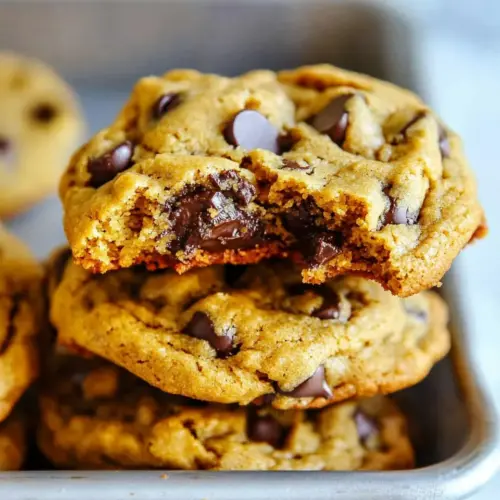
Pumpkin Chocolate Chip Cookies
Pumpkin Chocolate Chip Cookies are soft, spiced, and studded with melting chocolate, creating a cozy, seasonal treat. The combination of warm spices and moist pumpkin puree yields tender cookies with slightly crisp edges, perfect for fall gatherings or an easy weeknight bake. Make a big batch to share, because they disappear fast and everyone asks for the recipe.
Equipment
- Mixer
- Mixing Bowl
- Baking Sheet
- Parchment paper or Silpat
- wire cooling rack
Ingredients
- 3 cups all-purpose flour Provide structure and bulk to the cookies while creating a tender crumb when properly measured and not overmixed; helps absorb wet ingredients and gives the dough its shape and chewiness. Use all-purpose flour for a balance of protein that supports cookie spread while maintaining softness after baking.
- 3/4 teaspoons salt Enhance overall flavor balance and strengthen other leavening agents by controlling bitterness and elevating sweetness; helps accentuate the warm spices and pumpkin notes without overwhelming the dough. Dissolve evenly into the dry mix to ensure consistent seasoning throughout the cookies.
- 1/2 teaspoon baking soda React with acidic components like brown sugar or pumpkin to produce carbon dioxide for gentle lift and affect cookie texture and spread; use measured baking soda to avoid soapy or metallic tastes. Mix thoroughly into dry ingredients for even leavening and to help create a soft, tender interior.
- 1/2 teaspoon baking powder Contribute additional, milder leavening alongside baking soda to provide a light rise and slightly cakier texture while stabilizing the cookie structure; helps control excessive spread. Incorporate into the dry mix to balance the overall lift and prevent overly dense cookies.
- 1 teaspoon ground cinnamon Add warm, aromatic spice character that complements pumpkin and molasses notes, enhancing seasonal flavor depth; cinnamon also pairs well with chocolate to create a cozy profile. Sprinkle evenly into dry ingredients to distribute its fragrant warmth throughout every bite.
- 1/2 teaspoon ground nutmeg Introduce nutty, slightly sweet spice tones that deepen the autumnal flavor profile and balance sweetness; nutmeg adds complexity and a subtle warmth that supports other spices. Grate fresh or use ground nutmeg sparingly to avoid overpowering the blend.
- 1/2 teaspoon ground ginger Provide bright, slightly peppery warmth that lifts the spice mix and adds complexity to the pumpkin base; ginger enhances the overall spiced cookie aroma and pairs well with cinnamon and cloves. Blend into the dry ingredients to ensure an even spicy note in each cookie.
- 1/4 teaspoon ground cloves Offer sharp, warm pungency that intensifies the spiced profile and adds a subtle depth to balance sweet and earthy pumpkin flavors; cloves are potent so a little goes a long way. Whisk into the spice mixture with care to avoid an overly clove-forward taste.
- 1 cup butter, at room temperature Supply richness and moisture while contributing to tenderness and flavor; softened butter creamed with sugars helps incorporate air for lighter texture. Ensure butter is at room temperature for proper creaming to achieve a smooth, aerated dough that promotes even baking.
- 3/4 cup brown sugar Impart deep, caramel-like sweetness and moistness while enhancing chewiness and color; brown sugar's molasses content complements pumpkin and spices for a richer flavor. Cream thoroughly with butter to dissolve sugars and create a tender, flavorful base for the cookie dough.
- 1 cup granulated sugar Deliver clean, sweet flavor and support structure by dissolving into butter for proper creaming; granulated sugar contributes to spread and crisp edges while balancing brown sugar's moisture. Adjust mixing to achieve desired chewiness and slight crunch on the cookie exterior.
- 1 large egg Bind ingredients together, add moisture and richness, and contribute to leavening and structure through coagulation; eggs help create a cohesive dough and tender interior. Use one large egg at room temperature for even incorporation and improved emulsion with fats.
- 2 teaspoons vanilla extract Provide aromatic sweetness and enhance flavor complexity by amplifying vanilla notes, which round out spices and chocolate; vanilla also helps mask any harshness from other ingredients. Stir into the wet mixture for consistent flavor distribution throughout the dough.
- 1 cup pumpkin puree, not pumpkin pie filling Add moist body and pumpkin flavor while contributing moisture and a tender crumb; use pure pumpkin puree rather than pie filling to avoid added sugars and spices. Fold into the batter gently to maintain structure while ensuring even pumpkin dispersion and moist cookies.
- 2 cups chocolate chips Introduce pockets of rich, melting chocolate that contrast the spiced pumpkin base and add sweetness and texture; chocolate chips create bursts of chocolate in each bite. Fold in evenly to distribute chips throughout the dough for consistent chocolate in every cookie.
Instructions
- Preheat oven to 350 degrees F. Line a large baking sheet with a Silpat baking mat or parchment paper and set aside.: As the oven warms, you will smell a faint metallic warmth from the coils, and the kitchen begins to feel cozy. Preheating ensures even baking and reliable timing so cookies bake uniformly. If you skip this, the cookies may spread inconsistently and take longer to set, a common error. Set a timer and make sure racks are centered for best airflow.
- In a medium bowl, whisk together flour, salt, baking soda, baking powder, and spices. Set aside.: The thin, slightly textured surface of parchment or a Silpat prevents sticking and promotes even browning at the bottom of each cookie. When I press the sheet with my fingertips, I expect a clean rebound, not a greasy spot. Avoid greasing the sheet, which can cause excessive spread and greasy bottoms, a frequent pitfall.
- Using a mixer, cream the butter and sugars together until light and fluffy, about 3-4 minutes. Add the egg, vanilla, and pumpkin and mix until combined, about 3 minutes. Slowly add in the dry ingredients. Mix until just combined. Stir in the chocolate chips.: As you whisk, you will see the dry ingredients turn uniform in color and small clumps disappear, and the aroma of cinnamon and nutmeg will bloom. This step distributes leaveners and spices so cookies rise and season evenly. If you rush or skip thorough whisking, you risk uneven leavening pockets and spice concentration, producing inconsistent bites.
- Drop by large, rounded tablespoons onto prepared baking sheet. Bake for 10 to 12 minutes or until cookies are just beginning to brown around the edges. Let the cookies cool on the baking sheet for two minutes. Transfer to a wire cooling rack and cool completely.: Letting the dry mix rest briefly keeps the workspace organized and prevents lost ingredients. It also allows the spice aromas to mingle so when combined with wet ingredients, the flavor integrates smoothly. Avoid leaving the bowl uncovered in a humid kitchen to prevent clumping of the dry mixture.
- Using a mixer, cream the butter and sugars together until light and fluffy, about 3 to 4 minutes: You will notice the butter and sugars change from dense to pale and aerated, and the sound of the mixer softens as the mixture becomes airy. This aeration contributes to a tender texture. Overbeating can incorporate too much air leading to cookies that rise and collapse, so stop when the mixture looks light and holds soft peaks.
- Add the egg, vanilla, and pumpkin and mix until combined: After adding the egg , vanilla extract , and pumpkin puree , the batter will become glossy and slightly looser, with a faint spice scent coming forward. These ingredients hydrate the dough and bind everything together. If the mixture separates or looks curdled, mix gently until smooth; vigorous mixing at this point can make the dough tough.
- Slowly add in the dry ingredients: As you fold in the dry mix, the batter will thicken and the aroma will return to those warm spices. Adding the dry ingredients slowly prevents clumping and overworking the gluten. If you dump everything at once and overmix, the dough may become dense and chewy in an undesirable way.
- Mix until just combined: The dough should come together without visible streaks of flour, and it will feel slightly tacky but not runny. Leaving it slightly undermixed keeps the texture tender; overmixing develops gluten that makes cookies tough. Use a spatula to finish mixing if needed, and stop as soon as the last flour streak disappears.
- Stir in the chocolate chips: Folding in the chocolate chips distributes pockets of melting chocolate so each cookie has joyful bites. You will hear a soft scraping sound as chips plunge into the dough and see them dot the surface. Avoid overfolding which can break chips and cause excess streaking of chocolate through the dough.
- Drop by large, rounded tablespoons onto prepared baking sheet: As you scoop, the dough should hold a rounded mound and not spread too thin on the spoon. The surface will show visible chips and a slightly glossy sheen from the butter and sugars. Placing them evenly spaced ensures heat circulates properly; crowding the sheet leads to merged cookies.
- Bake for 10 to 12 minutes or until cookies are just beginning to brown around the edges: During baking you will notice tiny air pockets forming and the kitchen fills with spiced aroma. Edges turning light golden indicates readiness while centers remain soft. Take them out when edges color and centers look set but not dry, because residual heat finishes the bake. Overbaking yields dry cookies, which is a frequent mistake, so check early.
- Let the cookies cool on the baking sheet for two minutes: This brief rest lets the cookies finish setting and makes them easier to transfer, while the bottoms continue to firm gently. You will feel residual warmth radiating from the sheet when you touch it briefly. Attempting to move them too soon can cause them to break apart, so give them those two minutes.
- Transfer to a wire cooling rack and cool completely: Moving cookies to a rack prevents steam from collecting underneath, preserving texture so bottoms stay crisp rather than soggy. As they cool, the chocolate softens and then firms slightly, creating a pleasing contrast. If you stack warm cookies, they can stick together, so always cool fully before storing.
Notes
- Swap chocolate chip variety: Try semi sweet or dark chocolate chips to balance the sweetness and sharpen the chocolate notes, creating a slightly more sophisticated bite.
- Adjust spice levels: Increase ground cinnamon or ground nutmeg by a small amount if you want a bolder autumn spice presence, tasting the dough as you go for balance.
- Change sugar ratios: For a chewier cookie, add a touch more brown sugar relative to granulated sugar to increase moisture and chew.
- Make mini cookies: Use a teaspoon to make bite sized cookies that bake faster and are perfect for parties or cookie trays.
- Chill dough briefly: If you prefer a thicker cookie, chill the dough for 20 to 30 minutes before scooping to reduce spread while baking.