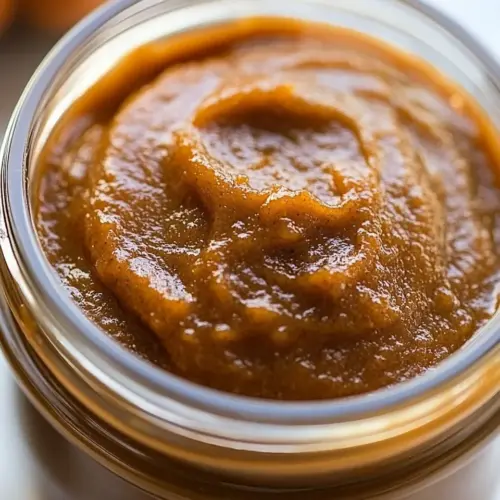
Pumpkin Butter
Pumpkin Butter is a creamy, spiced spread made from canned pumpkin, apple juice, and warming spices. This easy recipe yields a richly flavored, versatile butter perfect for toast, oatmeal, or gift jars, offering a cozy taste of fall and an easy weeknight breakfast upgrade. Make a batch to enjoy seasonal warmth across multiple meals.
Equipment
- Large saucepan
- Wire whisk
- Blender
- Airtight Container
Ingredients
- 29 oz can pumpkin puree Provide a rich, smooth base that carries all spices and sweetness throughout the pumpkin butter; its dense texture helps achieve a spreadable consistency when cooked down. Use a canned puree for convenience and consistent moisture content, adjusting cooking time if mixture seems too thin. Stir frequently to prevent sticking and ensure even heat distribution for a glossy finish.
- 1 cup apple juice Add a mellow fruity sweetness and thin the pumpkin for a saucy, spreadable texture; apple juice also contributes natural acidity that balances rich flavors. Choose unsweetened juice to control overall sweetness, and simmer gently to concentrate its flavors without burning. Incorporate gradually while monitoring thickness for desired spreadability.
- 2 tsp ground ginger Introduce warm, zesty heat that brightens the blend and complements cinnamon and nutmeg; ginger brings a sharp, slightly peppery note. Use ground form for even distribution and whisk thoroughly to prevent clumping. Start with the listed amount and taste as the mixture reduces to adjust intensity if needed.
- 1/2 tsp ground cloves Contribute a deep, aromatic warmth with a slightly sweet and bitter edge that enhances the fall spice profile. Use sparingly because ground cloves are potent and can overpower other spices if overused. Blend in well early in the cooking process to allow its flavor to mellow and integrate smoothly.
- 1 cup sugar Provide primary sweetness and help achieve a balanced, shelf-stable preserve; sugar also aids in thickening as the mixture reduces. Use granulated sugar and dissolve thoroughly during simmering to prevent graininess. Taste as it cooks and adjust slightly if a sweeter or less sweet butter is preferred.
- 2 tsp cinnamon Add classic warming spice with fragrant, sweet-woody notes that tie the other spices together; cinnamon gives a familiar, comforting aroma. Use ground cinnamon for uniformity and stir into the mixture so its flavor distributes evenly. Adjust gently to match desired spice intensity in the final product.
- 1 tsp ground nutmeg Offer a nutty, slightly sweet, and woody flavor that rounds out the spice blend with subtle complexity; nutmeg enhances depth without overwhelming. Use freshly grated or quality ground nutmeg for best aroma, and incorporate sparingly to avoid bitterness. Allow it to meld during cooking for a well-integrated taste.
Instructions
- In a large saucepan combine pumpkin, juice, sugar and spices. Bring to a boil over high heat. Use a wire whisk and stir constantly.: The moment you add the pumpkin to the saucepan you should notice a muted, earthy scent that grows lively when the apple juice hits it. Stirring the dry sugar and powdered spices into the wet base releases small bursts of aroma, and the mixture will look matte and thick at first. Use a sturdy spoon or whisk to blend until uniform so there are no streaks of dry sugar or pockets of spice. This blending step matters because even distribution prevents hot spots while cooking, which could scorch the mixture. A common mistake here is overcrowding the pan; use a large saucepan so the mixture has room to bubble and reduce without splattering.
- Reduce heat to a simmer and cook for 30 more minutes stirring frequently.: As the mixture comes to a boil you will hear soft bubbling that becomes a more vigorous simmer, and the steam will carry intensified notes of cinnamon and ginger . Boiling briefly jump starts the reduction and encourages the sugars to dissolve completely. Watch closely during this phase because the foamy surface can climb quickly and create a sticky mess. One troubleshooting tip is to slightly lower the heat the instant it reaches a rolling boil to avoid boiling over, while still building the reduction efficiently.
- For a more smooth texture place the butter in a blender.: Constant stirring here smooths the texture and prevents scorching on the bottom of the pan. The whisk helps break up any small lumps of pumpkin and encourages evaporation, leading to a silkier mouthfeel. You will notice the sound of the whisk change as the mixture thickens, and the color will deepen to a richer, darker orange. A typical error is leaving the mixture unattended; even a short pause can result in a baked on layer at the bottom, so stay attentive and keep the motion steady but not frantic.
- Store in a clean airtight container in the fridge.: During the simmer the mixture will slowly lose volume and the scent will deepen into a more caramel like, spiced aroma. Visually you should see gentle bubbling and a glossy sheen form on the surface. Stirring frequently, rather than constantly, lets the surface breathe while still protecting the bottom from catching. This stage is crucial for achieving that spreadable thickness; rushing it will leave you with a watery butter that lacks concentrated flavor. If it seems too thick before 30 minutes, add a tablespoon of apple juice at a time until the texture loosens, and if it catches on the bottom lower the heat and stir vigorously to reincorporate.
- For a more smooth texture place the butter in a blender: After cooking the aroma will be richly spiced and the texture will be mostly smooth but perhaps a touch fibrous. Transferring the mixture to a blender and pulsing transforms the mouthfeel into a velvety spread, and you will notice brighter spice notes release as air is incorporated. Always let the mixture cool slightly before blending to avoid pressure build up, and blend in short pulses to control consistency. One risk is over blending which can introduce too much air and alter the set; pulse just until silky.
- Store in a clean airtight container in the fridge: Once cooled to room temperature the butter should be transferred to a clean airtight jar where it will keep its flavor and texture. In the fridge it firms slightly and the flavors continue to meld, giving you a more cohesive taste after a day or two. Use sterilized jars and lids to extend shelf life, and label with the date; typically it will keep for several weeks refrigerated. A common oversight is not cooling completely before sealing which can create condensation and shorten shelf life, so ensure it is fully cooled before closing the lid.
Notes
- Swap liquid bases Replace some or all of the apple juice with pear juice for a milder sweetness and a slightly silkier finish, which pairs beautifully with the spices.
- Adjust sweetness Reduce the sugar by a quarter cup for a less sweet spread, then taste after cooling and add a touch more if you want it brighter.
- Texture control For a chunkier spread skip the blender step and simply mash any larger bits with a fork, preserving a rustic mouthfeel.
- Intensify spices Toast a pinch of the spices briefly in a dry skillet before adding to release essential oils and deepen the aroma.
- Gift ready jars Sterilize small jars in boiling water, fill with warm butter, and seal; the heat helps create a slight vacuum and improves shelf life for gifting.