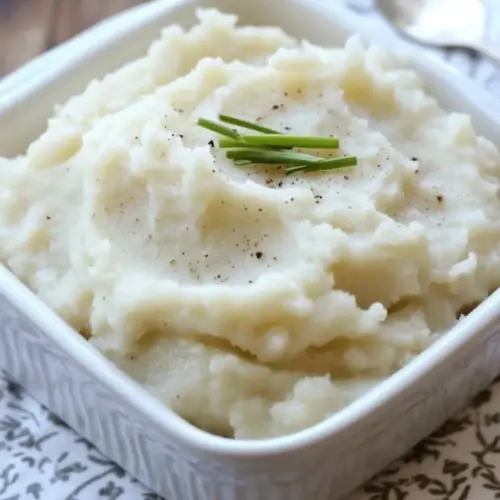
Potato Parsnip Mash
Potato Parsnip Mash delivers a creamy, slightly sweet twist on classic mashed potato. This cozy, easy weeknight dinner side combines fluffy russets with nutty parsnip, mellow garlic, and a touch of unsalted butter for a silky finish. It’s perfect for winter meals and makes a persuasive reason to cook now because it turns humble roots into something special.
Equipment
- 4 to 6-quart pot
- Colander
- Potato Masher
Ingredients
- 1 lb russet, baking potatoes, peeled and cut into 2-inch pieces Provide a starchy, fluffy base that absorbs flavors and gives body to the mash; peel and cut into 2-inch pieces for even cooking and tender texture. Boil until fork-tender before mashing to ensure smooth consistency and to blend well with parsnips and dairy. Choose russet or baking potatoes for their high starch content and light, airy finish when mashed.
- 1 lb parsnips, peeled and cut into 1-inch pieces Add a sweet, earthy flavor and creamy texture when cooked and mashed with potatoes; peel and cut into 1-inch pieces so they cook evenly and become tender faster than larger chunks. Balance the potato’s starchiness with the parsnip’s aromatic depth, contributing natural sweetness and a slightly nutty note to the final dish.
- 3 cloves garlic Infuse a gentle garlic aroma and savory depth; lightly crush or leave whole cloves while boiling to mellow harshness and prevent overpowering the mash. Mash or mince garlic after cooking to distribute a subtle, warm savory flavor throughout the blend without sharp raw bite.
- 1 sprig rosemary Impart a fragrant, pine-like herbal note that brightens the mash’s richness; use the sprig whole during cooking to gently release oils and aroma without becoming fibrous. Remove the sprig before mashing to leave behind a subtle rosemary essence that complements both parsnips and potatoes.
- 1/2 tbsp salt, plus more to taste Enhance overall seasoning and draw out natural flavors; measure 1/2 tablespoon to start and adjust to taste after mashing. Dissolve salt into the cooking water and incorporate more if needed to balance the dairy and root vegetable sweetness, ensuring the mash is well-seasoned.
- 1/4 cup light sour cream Contribute tangy creaminess and a silky mouthfeel while cutting richness from butter and milk; fold in after mashing to achieve a smooth texture. Use light sour cream to add acidity that lifts flavors and helps create a velvety consistency without excessive fat.
- 1/4 cup 2% milk Provide gentle creaminess and loosen the mash to a smooth, spoonable texture; warm slightly before adding to prevent chilling and help it incorporate evenly. Use 2% milk to keep the mash lighter in fat while still supplying moisture and a subtle dairy flavor.
- 1 tbsp unsalted butter Supply rich, silky fat that coats starches and adds glossy finish; melt into the hot mash for smooth incorporation and enhanced mouthfeel. Use unsalted butter so you can control the overall seasoning with the measured salt.
- pinch of black pepper Season with a sharp, warming finish that enhances other flavors; add a pinch of black pepper to taste and adjust after mixing to avoid overpowering delicate parsnip sweetness. Grind fresh for best aroma and sprinkle sparingly to balance the mash.
Instructions
- Cover potatoes, parsnips and garlic with 1 inch of water in a 4 to 6-quart pot, then add sprig of rosemary and salt and bring to a boil, partially covered.: Warm, mineral scented steam will rise as the pot comes to a gentle boil, and you should hear a soft rolling sound in the water rather than a frantic roar. This initial simmer allows the heat to penetrate evenly, so the largest potato piece and smaller parsnip piece reach tenderness at roughly the same time. The sprig rosemary will begin releasing an evergreen note into the cooking liquid, subtly perfuming the vegetables. A common error is adding too much water, which dilutes flavor, or bringing the pot to a violent boil which can break the pieces apart. Keep it partially covered so steam aids cooking while preventing boil overs.
- Reduce heat and simmer vegetables, partially covered, until very tender but not falling apart, 30 to 40 minutes.: As the simmer continues the kitchen will fill with an earthy aroma, and you can test doneness by piercing the potato and parsnip with a fork; they should offer little resistance and yield easily without disintegrating. Gentle bubbling preserves the structure so you avoid a watery mash. This slower cook helps the natural sugars in the parsnip develop, adding depth to the final taste. Avoid rushing with high heat, or the edges will break down while centers remain firm, leading to inconsistent texture.
- Drain vegetables in a colander.: When you tip the pot into a colander you will hear the soft rumble of water and see the vegetables glisten as they free themselves of cooking liquid. Draining thoroughly prevents a soggy mash, since excess water can make the mixture thin and gluey when you mash. Letting them sit briefly in the colander allows residual steam to escape, which helps maintain a concentrated flavor. A frequent mistake is leaving them to sit in hot water which continues cooking them and can cause over softening.
- Discard rosemary and mash warm vegetables along with sour cream, butter, pepper, and remaining pinch of salt, to taste; stir to combine well.: The warm vegetables will release a soft aroma when you begin mashing, and the texture should feel light and yielding under the masher. Adding the light sour cream , unsalted butter , and 2% milk while warm helps them melt and incorporate smoothly, creating a glossy, creamy finish. Stirring until the mash is cohesive brings out a unified flavor profile, with the garlic mellowed into the background and the parsnip sweetness shining through. One pitfall is overworking the mash, which firms starches and makes it gluey; stop when the texture is creamy but still a little airy. Taste and adjust the salt and black pepper at the end, because heating concentrates or dulls different seasonings.
Notes
- Increase creaminess Add a tablespoon more light sour cream or an extra splash of 2% milk while mashing to create a silkier finish, being careful not to add so much that the mash loses body.
- Herb variation If you prefer a brighter herb note, fold in finely chopped fresh herbs right at the end after removing the warm sprig rosemary, which preserves freshness without overpowering the root flavors.
- Garlic intensity For a milder background garlic, reduce to two garlic cloves, or for a bolder hit, roast the cloves first for a sweeter, caramelized garlic flavor before mashing.
- Texture control Use a ricer for an ultra smooth texture or a traditional potato masher for a bit more rustic mouthfeel; both approaches yield satisfying results depending on your preference.
- Salt finishing Finish with a small pinch of salt after mashing and taste, because the perception of salt changes as the mash cools slightly, letting you dial in the perfect seasoning.