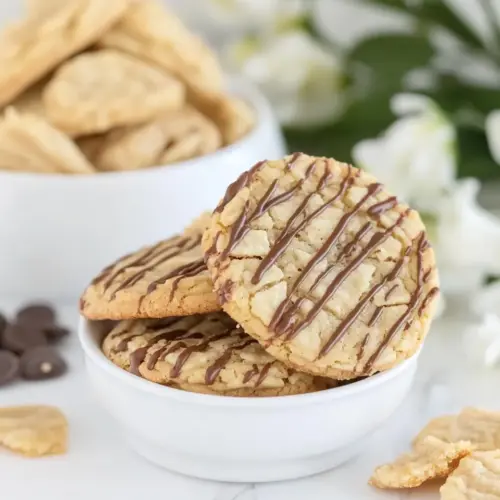
Potato Chip Cookies
Potato Chip Cookies blend crispy, salty potato chips with a buttery, tender cookie for a crunchy surprise in every bite. This easy, playful treat uses pantry staples and a handful of nuts to add toasty depth, perfect for an easy weeknight baking session or a crowd pleasing cookie plate. Try them once and you will see why they become a repeat request.
Equipment
- Stand mixer or hand mixer
- Mixing Bowl
- Parchment Paper
- Cookie Scoop
- Wire Rack
- Baking Sheet
Ingredients
- 1 cup unsalted butter softened Softened to spread easily and provide rich fat, creating tender, moist cookies; helps dissolve sugars and incorporate air when creamed for structure and flavor.
- 3/4 cup granulated sugar Granulated to add sweetness and aid in browning through caramelization; helps create a slightly crisp edge and balanced sweetness throughout the cookie.
- 3/4 cup crushed potato chips ridged or regular Crushed to add salty crunch and a subtle potato flavor that contrasts sweet elements; distributes texture pockets and enhances overall mouthfeel in each bite.
- 1/2 cup ground pecans Ground to distribute nutty flavor evenly and contribute tender, crumbly texture; adds depth, richness, and a subtle toasted note to the dough.
- 1 teaspoon pure vanilla extract Pure to lend aromatic complexity and enhance other flavors; small amount brightens the dough and complements both sweet and salty components.
- 2 cups all-purpose flour Added to provide bulk and structure through gluten development when mixed; forms the base of the dough and balances moisture from fats and sugars.
- 1/4 cup confectioners’ sugar Dusting to offer a light dust of sweetness and a smooth finish when used after baking; helps mellow any overly salty spots and adds visual contrast.
- Melted chocolate Melted to drizzle or coat for a rich, glossy finish and concentrated chocolate flavor; adds a contrasting smooth, sweet layer that pairs well with salty chips.
- Flaky sea salt Flaky to sprinkle for bursts of intense saline that enhance sweet and savory balance; adds delicate crunch and a finishing touch that heightens overall flavor.
Instructions
- Preheat oven to 350°F and line baking sheets with parchment paper.: The air should warm evenly, and you will notice the faint scent of heat as the oven comes up to temperature. Preheating ensures the cookies begin setting immediately on hitting the pan, which promotes a tender interior and controlled spread. A common mistake is placing unlined pans directly in the oven, which can cause sticking and uneven bottoms. Use parchment for even browning and easy cleanup, and position racks in the center for uniform heat.
- In the bowl of a stand mixer, fitted with the paddle attachment, or with a hand mixer in a large bowl, cream together the butter and granulated sugar until light and fluffy; about 3 minutes. With your mixer on low speed, add in potato chips and pecans and mix on low speed until fully incorporated. Add vanilla and mix until thoroughly combined. Stir in flour and mix until the flour is just combined; do not over-mix.: You will see the butter become paler and the texture aerates, with tiny air pockets forming that help the cookie rise slightly. The sound is a steady, gentle whir as the sugar incorporates. This step matters because proper creaming makes the final cookie tender and lends lift. Avoid under creaming, which yields dense cookies, or over creaming, which can make the dough too soft. Scrape the bowl mid way to ensure even mixing.
- Using a medium cookie scoop (1 1/2 tablespoons) scoop dough into 1 inch balls. Place dough balls 2 inches apart on prepared baking sheets.: The aroma will shift, with a nutty warmth from the pecans and that unmistakable potato scent mingling in the bowl. Mixing slowly keeps chip pieces intact rather than pulverizing them, which preserves crisp pockets. Mixing too vigorously can crush the chips into dust and rob the cookie of textural contrast. If you hear a grinding noise, reduce speed and fold by hand to protect the chips.
- Slightly flatten each dough ball with a glass dipped in confectioners’ sugar.: A warm, fragrant lift arrives when the vanilla hits the butter mixture, smoothing the flavors together. The mixture will look glossy for a moment, as the liquid blends with fats. This binds the flavors so the chips do not feel isolated. Skip this step or add too late and you may miss a cohesive flavor that ties sweet and salty together.
- Bake in preheated oven for 12-15 minutes or until lightly browned. Allow cookies to cool on the baking sheet for 5 minutes before removing to a wire rack.: The dough will shift from glossy to more matte and clump together in a way that signals readiness. You may feel slight resistance as the flour hydrates, and the sound becomes quieter as the mixture thickens. Over mixing develops gluten, which creates a tougher cookie, so stop once you no longer see streaks of dry flour. If the dough feels too dry, a teaspoon of milk can rescue it, but be cautious.
- If desired, garnish cooled cookies with a drizzle of melted chocolate and a sprinkling of flaky sea salt.: The dough should hold its shape when scooped, slightly sticky but not wet. Spacing is important because the cookies will spread; leaving about 2 inches gives each cookie room to expand without merging. A common error is overcrowding the pan which leads to uneven baking and glued together cookies. Use the scoop to keep sizes consistent so baking times stay accurate.
- Slightly flatten each dough ball with a glass dipped in confectioners’ sugar.: Lightly pressing the dough creates a lower profile so the center bakes through without over browning the edges. The confectioners’ sugar helps prevent sticking and leaves a delicate exterior dusting. Press too hard and you may compact the dough, producing a denser texture. A gentle, even press is all that is needed to shape the cookies.
- Bake in preheated oven for 12-15 minutes or until lightly browned. Allow cookies to cool on the baking sheet for 5 minutes before removing to a wire rack.: As they bake, the kitchen will fill with a warm, toasty aroma and the edges will slowly take on a faint golden color. The centers will look set but soft, and that five minute rest on the pan lets carryover heat finish the bake while the exterior firms slightly. Removing them too early can cause them to fall apart, while over baking will dry them out. Rotate sheets mid way if your oven has hot spots.
- If desired, garnish cooled cookies with a drizzle of melted chocolate and a sprinkling of flaky sea salt.: The final flourish of melted chocolate brings velvet smoothness, and a tiny pinch of flaky sea salt lifts the sweetness with bright salt notes. Allow the cookies to chill briefly so the chocolate sets cleanly. Using hot chocolate will smear the surface, and too much salt will overwhelm the balance you built. Aim for a light, artful drizzle and just a whisper of salt to finish.
Notes
- Choose your chips carefully, ridged chips hold more texture but regular chips work too; taste their salt level first so you can adjust the final sprinkling of flaky sea salt.
- Measure flour correctly, spoon it into your cup and level off to prevent dense cookies from too much flour.
- Keep chip pieces varied, pulse some in a bag and leave some larger so you get both melting and crunchy moments in each bite.
- Use a medium cookie scoop, it creates uniform cookies so baking time is predictable and they look consistent on a tray.
- Dust the glass with confectioners’ sugar, it prevents sticking and gives a pretty, slightly powdered finish.
- Let chocolate set gently, cool the drizzle at room temperature or briefly chill so the chocolate doesn’t bloom or crack.