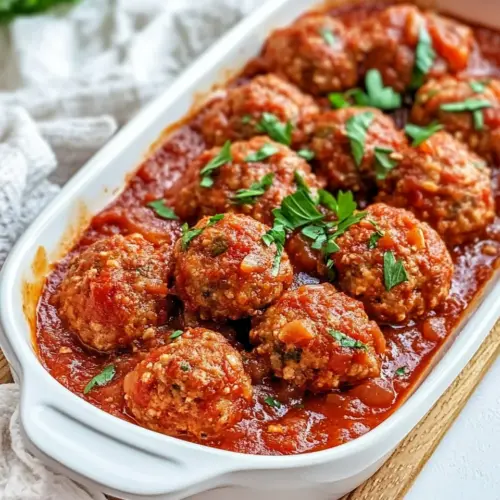
Porcupine Meatballs
Porcupine Meatballs are a comforting, saucy classic that combines tender ground beef with tender pockets of rice in a rich tomato broth. This easy weeknight dinner yields juicy, flavorful meatballs that are perfect for family meals and casual gatherings, offering cozy textures and familiar savory notes, making it a recipe you will reach for again and again.
Equipment
- 9 X 13 baking dish
- Mixing Bowl
- Medium Bowl
- Aluminum Foil
Ingredients
- 1 pound lean ground beef Provide rich, lean protein and a firm texture to bind the meatballs while keeping them lower in fat; contributes savory depth and browning during searing and baking.
- 1/2 cup uncooked long-grain white rice Add tender starchiness and structure as it cooks inside the meatballs, swelling and creating the characteristic 'porcupine' rice texture while absorbing flavors from the sauce.
- 1 large egg Bind the mixture together and add moisture and richness, helping the meatballs hold their shape while contributing a silky mouthfeel when mixed with the beef and rice.
- 1 medium shallot, finely minced Introduce a mild, sweet oniony note and delicate sharpness when minced finely, enhancing the overall savory balance without overpowering the meatball's texture.
- 1 tablespoon fresh chopped parsley Bring fresh herbaceous brightness and a subtle green flavor that lightens the richness of the beef, adding a hint of freshness when mixed into the meatball mixture.
- 1/2 tablespoon Worcestershire sauce Deliver a concentrated savory-umami boost with a slight tang, deepening the overall flavor profile and complementing both the beef and the tomato sauce.
- 1 teaspoon garlic powder Contribute a warm, savory pungency that layers with other seasonings to enrich the meatballs; helps round out flavors without adding moisture.
- 1/2 teaspoon paprika Add a mild smoky warmth and color that enhances the savory profile without overwhelming other spices, subtly elevating the overall taste.
- 1 teaspoon kosher salt Provide essential seasoning that enhances all other flavors, balancing richness and ensuring the meatballs and sauce taste fully seasoned.
- 1/2 teaspoon freshly ground black pepper Introduce a sharp, floral heat that sharpens the other seasonings and provides a balanced peppery finish without dominating the palate.
- 2 tablespoons olive oil Enable efficient browning and searing, preventing sticking and adding subtle fruity notes while carrying heat for caramelization before simmering in sauce.
- 1 can (15 ounces) tomato sauce Create a rich tomato base that simmers with the meatballs, supplying acidity, sweetness, and body to the dish while melding flavors together.
- 3/4 cup low-sodium beef broth Thin and season the sauce slightly while adding savory beef flavor; helps adjust consistency and deepens the meat-forward profile of the simmering liquid.
- Fresh chopped parsley, optional garnish Offer a bright, fresh garnish to finish the dish, providing color contrast and a burst of clean herbal flavor that complements the saucy meatballs.
Instructions
- Preheat oven to 375°F.: The oven warming produces an ambient heat that encourages even cooking and gentle braising of the meatballs. You should hear the faint click as the thermostat cycles and smell the slight warmth once you open the oven, which feels reassuring. Preheating matters because placing cold meatballs in a cold oven can cause uneven texture, with rice possibly undercooked in the center. A common mistake is skipping preheat and then finding inconsistent doneness, so always wait until the oven reaches temperature.
- In a large mixing bowl, combine ground beef, uncooked rice, egg, minced shallot, chopped parsley, Worcestershire sauce, garlic powder, paprika, salt, and black pepper. Mix thoroughly, until evenly combined.: As you mix, the scent of savory seasoning emerges, the shallot releases a gentle sweetness, and the raw mixture feels cool and tacky under your hands. The reasons for this blend are practical, the egg binds, the rice will cook and expand, and the seasonings build balanced flavor throughout. Mix until evenly combined, but avoid overworking the meat, which can make the texture tight instead of tender. A typical misstep here is pounding the meat mixture, so fold and combine gently until uniform.
- With your hands, shape the meat mixture into meatballs, approximately 1 to 1 1/2 inches in diameter. Ensure they are uniformly sized for even cooking.: Forming the meatballs releases a humid, meaty aroma and you can feel the rice as small granular points in the interior. Uniform size ensures they cook evenly and finish at the same time. Roll gently, not packing them too firmly, which preserves a light interior that cooks through without becoming rubbery. A common error is making meatballs wildly different sizes, which leads to some overcooked and some undercooked meatballs.
- Grease a 9" x 13" baking dish or a similar sized Dutch oven with olive oil, then add the meatballs.: As you place each meatball into the oiled dish, the oil forms a thin sheen that prevents sticking and encourages slight browning against the vessel. The visual cue to watch for is that meatballs sit comfortably spaced, not crowded, which helps heat circulate and sauce reach each one. Using too little oil can make meatballs adhere to the pan, making serving messy, so coat the dish well enough to provide a light barrier.
- In a medium bowl, combine the tomato sauce and beef broth. Slowly pour this mixture over the meatballs, making sure each meatball has sauce poured over and they are partially submerged.: When you stir these liquids, the sauce loosens and you notice a fragrant mingling of tomato and savory beef stock, which will steam into the meatballs as they bake. Pouring this over the meatballs ensures each one is partially submerged and picks up moisture and flavor while the rice cooks. If you pour too forcefully you can shift the meatballs, so pour slowly to keep them in place. An easy trap is using a sauce that is too thick, which can prevent proper braising, so thin it with the broth as instructed.
- Cover baking dish tightly with foil, then place in oven and bake for 45-50 minutes.: As the covered dish heats, steam accumulates and you can sense the kitchen fills with a warm, savory aroma. The covered environment is essential because it traps moisture that cooks the uncooked rice inside each meatball. You want steady, moist heat rather than a drying bake at this stage. A common mistake is not sealing the foil well, which lets steam escape and can leave the rice undercooked, so crimp the edges securely.
- Uncover the baking dish, then bake 20 minutes more, to let meatballs develop a nice color and deeper flavor.: Removing the cover allows surface moisture to evaporate, encouraging the exterior to take on a richer hue and intensified savory notes. You will hear a gentler sound of bubbling sauce and see steam rising, with the meatballs starting to show golden edges. This step creates texture contrast between the tender interior and the slightly firmer outside. The risk is leaving them uncovered too long, which can dry the meatballs, so monitor the color and timing closely.
- To ensure the meatballs are cooked thoroughly, cut one open to ensure the rice is fully cooked, and there is no pinkness in the meat.: When you slice into a meatball, the interior should show cooked, translucent rice grains and uniformly browned meat. The smell is deeply savory and the texture yields easily to the knife. This visual and tactile check is the most reliable indicator of doneness, more so than timing alone, since ovens vary. Avoid assuming doneness only by surface color, which can be misleading, and always cut one open to verify.
- To serve, spoon extra sauce in the baking dish over the meatballs. Sprinkle fresh chopped parsley over the meatballs for a burst of color and flavor, then serve them warm. These porcupine meatballs pair really well with mashed potatoes.: The final act of ladling sauce over the meatballs releases a burst of tomato aroma and adds glossy, comforting flavor to the plate. Sprinkle fresh chopped parsley for a bright contrast and a pop of color, then serve them warm. Serve with a starchy side if you like, but the meatballs are content on their own. A serving misstep is letting the dish cool too long before plating, which mutes aroma and makes the sauce less luscious, so serve promptly while warm.
Notes
- Brown before baking. If you have time, sear meatballs briefly in a hot skillet to add caramelized flavor, then transfer them to the baking dish before adding sauce. Browning creates Maillard compounds that deepen the overall taste, and it also firms the exterior slightly, which can be appealing. Be mindful not to overcook during searing, or the interior may not finish correctly in the oven.
- Use a light hand with mixing. Overworking the meat can make the texture tough, so combine ingredients until just cohesive. This preserves tender crumb and helps the rice expand without compressing the meat. If the mixture feels dry, a splash of broth can help, but avoid making it wet.
- Adjust sauce thickness. If your tomato sauce feels too thin, simmer a portion on the stove to reduce it before pouring, or add a small spoon of tomato paste to thicken. A thicker sauce clings better to the meatballs and concentrates flavor. Conversely, thin the sauce slightly with broth if it seems too concentrated.
- Control salt level. Since canned tomato products and broth contain sodium, taste the combined sauce before adding more salt and adjust as needed. Start low and increase conservatively, as you can always season to the table but cannot reverse over-salting.
- Garnish for brightness. A scattering of freshly chopped parsley at the end instantly lifts the presentation and adds a herbaceous note that contrasts the rich meat and sauce. Add it just before serving to keep the color vivid.