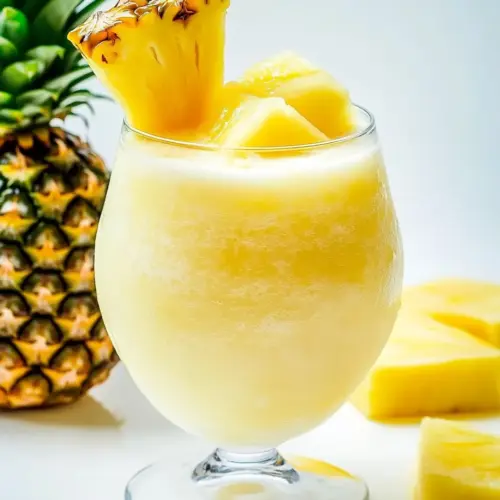
Pera Piña Rice and Pineapple Drink
Pera Piña Rice and Pineapple Drink is a creamy, refreshing tropical beverage that uses pineapple peel and core with soft rice and a touch of vanilla. Lightly sweet and fragrant, it makes an easy summer sip or a crowd friendly nonalcoholic option, perfect for warm afternoons and casual gatherings. Try it chilled for a bright, comforting reason to make it.
Equipment
- Large Pot
- Blender
- Fine mesh sieve
Ingredients
- Peel (rind) and core of 1 pineapple, (see notes) Provide aromatic coconut-like flavor and depth, using the peel and core to infuse liquids; simmer with water to extract sweet pineapple oils and bright acids that brighten the drink. Include notes to avoid bitter white pith and to wash thoroughly before use to prevent off-flavors. Reserve the flesh separately for garnish or other uses after infusing.
- 1/2 cup rice Soak and cook until tender to add body and a milky texture when blended, lending a subtle starchiness that helps thicken and mellow the beverage. Rinse before cooking to remove surface starch and simmer fully to release creamy mouthfeel and gentle sweetness.
- 1 tablespoon vanilla extract Add warm floral and sweet aromatics to complement fruit and rice, using the extract sparingly to avoid overpowering the delicate balance; stir in during finishing to preserve volatile flavor compounds. Use high-quality vanilla for a clean, rounded background note that enhances overall sweetness perception.
- 1 cup sugar (white, granulated), (or to taste) Sweeten and balance acidity to taste, dissolving granulated sugar into warm liquid to create a consistent sweetness throughout the drink. Adjust amount to personal preference and dissolve completely to avoid grittiness; sugar also helps extract flavors during infusion and enhances mouthfeel.
Instructions
- Cut the pineapple peel and core into small pieces.: The kitchen will smell fresh and slightly floral as you work, the scent bright and green. Cutting the peel and core small increases surface area so flavor extracts more readily into the cooking water, which speeds infusion and creates a more even, concentrated profile. Pay attention to texture, aim for uniform pieces so some do not overcook while others remain firm. Mistakes here include leaving large chunks that take ages to soften, which can yield uneven extraction.
- Combine pineapple rind and core with rice and 2 quarts [2 lt] of water in a large pot. Simmer covered over low heat until the rice is very tender and has tripled in size (about 20 minutes after it breaks the boil), adding water as it becomes necessary to maintain the same level. Remove from the heat.: Once everything is in the pot, the initial steam carries a clean, tropical bouquet that promises complexity. This combination allows the rice to swell and contribute starch to the liquid while the pineapple pieces release aromatic oils. Use a pot with ample room because the rice will expand and the liquid should circulate freely. Avoid boiling aggressively at this stage, which can bruise the fruit and create off flavors.
- Add vanilla extract, and let it cool to room temperature, blend until all the ingredients are liquified. Strain and discard the solids. Add sugar to taste.: You will hear only a gentle whisper of simmering, and the visual cue is the rice plumping and the pineapple turning translucent at the edges. This low steady heat extracts sugars and aromatics without forcing bitter compounds out of the peel. The reason we keep it covered is to capture steam and keep the temperature steady for uniform softening. A common pitfall is letting the pot go dry, which scorches flavors, so check and add hot water if levels drop too low.
- Serve chilled.: After you take the pot off the stove, the scent becomes sweeter and more rounded as the contents settle. This cooling pause allows the structure to relax before adding delicate aromatics like vanilla . Letting it cool slightly prevents steam from carrying away volatile flavor when you blend. A mistake some make is blending while the mixture is too hot, which can create steam pressure and loss of aroma or an unsafe splatter.
- Add vanilla extract and let it cool to room temperature blend until all the ingredients are liquified: When you stir in vanilla , the aroma will lift, adding warm echoes to the bright pineapple scent. Cooling to room temperature preserves those aromatics for a fuller, cleaner result when you blend. Blend in brief bursts, allowing the motor to rest, until the texture is entirely liquid. Over-blending hot mixture can create froth or alter the mouthfeel negatively, so go slow.
- Strain and discard the solids: As you pour the blended mix through a fine sieve or cheesecloth, watch the liquid collect, clear and glossy. Straining removes fibrous bits and rice grit, leaving a smooth, silky beverage. Press gently to extract liquid, but avoid forcing solids through which can cloud the drink. A common error is skipping proper straining, which leaves an unpleasant gritty texture.
- Add sugar to taste: This is where the drink comes to life, because sugar balances acidity and brightens the tropical notes. Add incrementally, stirring between additions, and taste chilled samples as coldness dulls sweetness. Remember that flavors meld over time, so err on the side of less and adjust later. Over-sugaring is hard to reverse, so proceed cautiously.
- Serve chilled: Chilling rounds the flavors and gives the drink a refreshing finish, with the cold heightening the clean pineapple notes and softening starchiness from the rice . Pour into glasses over ice if you like, and notice how the aroma changes as the liquid cools further. A common misstep is serving too warm, which can feel heavy and overly sweet on the palate.
Notes
- Extract more flavor: Chop the peel and core into uniform small pieces so they infuse quickly and evenly during the gentle simmer.
- Control creaminess: Rinse the rice briefly if you prefer a lighter body, or use it unwashed for a fuller, silkier mouthfeel.
- Preserve aroma: Add the vanilla off the heat and only after the mixture cools slightly to keep its delicate top notes intact.
- Prevent bitterness: Keep the simmer low and avoid prolonged high heat which can extract bitter compounds from the pineapple peel.
- Sweeten mindfully: Add sugar incrementally and taste after chilling, because the cold will make the drink taste less sweet.