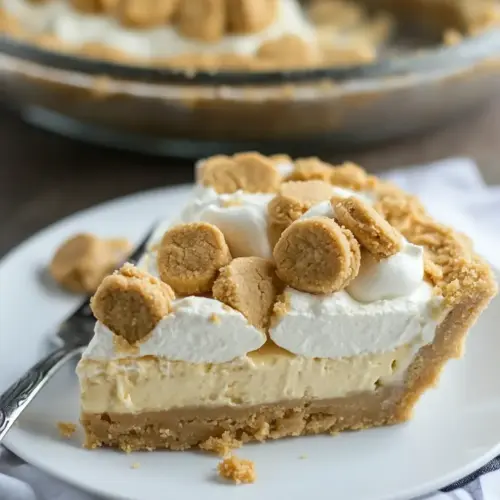
Peanut Butter Cookie Dough Cheesecake Pie
Peanut Butter Cookie Dough Cheesecake Pie delivers creamy cheesecake, chewy cookie dough, and a crisp chocolate crust in every bite. This rich, satisfying dessert is perfect for celebrations or a decadent weekend treat, with a lovely balance of sweet and nutty flavors. Make it ahead for easy entertaining, and enjoy why it disappears so quickly at gatherings.
Equipment
- Hand Mixer
- 9" pie plate
- Mixing Bowls
- Offset Spatula
Ingredients
- One recipe Perfect Oreo Crust Provides a crisp, chocolatey base that holds the pie filling and adds firm structure; press into the pan and chill to set before filling.
- or you can use a store-bought cookie crust Offers a convenient alternative crust that saves time while delivering a pre-baked structure suitable for creamy fillings and easy assembly.
- 1/4 cup melted butter Adds richness and helps bind crumbs together in crumb crusts; melted form ensures even coating and a cohesive texture when chilled.
- 1/3 cup peanut butter Contributes creamy peanut flavor and fat that create a soft, dough-like texture when mixed with sugars and flour; also enhances overall peanut butter taste.
- 1/3 cup packed brown sugar Brings deep molasses notes and moisture to the cookie dough component, balancing sweetness and contributing chewiness and color.
- 2 tablespoons granulated sugar Provides immediate sweetness and slight crunch to the cookie dough; helps control overall sugar level and texture of the dough.
- 1/2 teaspoon vanilla extract Imparts aromatic sweetness that elevates the flavor profile of both the cookie dough and cheesecake components; use sparingly for balance.
- 1 tablespoon milk Adds a touch of liquid to loosen the dough for easier mixing and a slightly softer mouthfeel; helps achieve desired consistency.
- Pinch salt optional Balances sweetness and enhances flavor depth when used minimally; optional pinch can intensify overall taste without making it salty if desired.
- 1 cup flour Serves as the structural base of the edible cookie dough, supplying gluten and bulk to create a cohesive, sliceable dough texture.
- 8 ounces cream cheese softened (regular or low-fat) Provides tangy creaminess and body to the cheesecake layer; softened form ensures smooth incorporation and prevents lumps in the filling.
- 1/4 cup granulated sugar Sweetens the cheesecake filling and helps achieve proper set and flavor balance; dissolves into the cream cheese for smoothness.
- 1 teaspoon vanilla extract Adds a floral, sweet accent that complements the dairy and peanut flavors in the cheesecake filling and rounds out the profile.
- Perfect Whipped Cream Creates a light, airy topping that adds visual appeal and a contrasting texture to the dense cheesecake; whip to soft peaks for best results.
- or you can use Cool Whip Offers a ready-made whipped topping alternative that speeds assembly and provides stable, fluffy coverage without whipping fresh cream.
Instructions
- Make the crust in a 9" pie plate using this recipe. Chill until next step. Or, forego making your own and use a store-bought Oreo or Graham Cracker crust.: The aroma of melted butter and crushed cookies while pressing the crust signals you are building a sturdy base. You want the crumble to feel evenly damp when squeezed, not soggy, which ensures a firm set after chilling. Press the crumbs firmly along the bottom and slightly up the sides so you get a defined edge that resists the weight of the filling. If it feels loose, press more, and if it seems oily, blot lightly with a paper towel before chilling. A common mistake is under pressing, which leads to a crust that falls apart when sliced.
- Make the cookie dough: mix melted butter and peanut butter in large bowl with a hand mixer. Beat in sugars, vanilla, and milk. Slowly mix in flour. Place 2 tablespoons of cookie dough in a small bowl, cover with plastic wrap, and refrigerate. Press remaining cookie dough into the prepared crust. Do this carefully - you don’t want to wreck the crust! Place back in the refrigerator.: mix melted butter and peanut butter in large bowl with a hand mixer. Beat in sugars, vanilla, and milk. Slowly mix in flour. Place 2 tablespoons of cookie dough in a small bowl, cover with plastic wrap, and refrigerate. Press remaining cookie dough into the prepared crust. Do this carefully, you don’t want to wreck the crust! Place back in the refrigerator. : As you beat the melted butter and peanut butter , a warm, nutty scent rises, and the mix should look glossy before you add the dry flour . Once the sugars are incorporated, the dough will soften, and the texture should be pliable enough to press but not sticky. Chilling a small reserve of dough lets you test the final firm texture and use it for garnish. When pressing the dough into the crust, work gently from the center outward to avoid cracking the crust edge. If the dough feels crumbly, a tiny splash more milk helps; if it is too wet, a dusting more flour will firm it. One trap is overmixing, which can produce a dense chew rather than a tender bite.
- Make the cheesecake layer: wipe out bowl and wipe off mixer beaters. Beat cream cheese with hand mixer until smooth. Mix in sugar and vanilla. Spread carefully on top of cookie dough in prepared crust. Cover with plastic wrap and chill for at least 4 hours or overnight.: wipe out bowl and wipe off mixer beaters. Beat cream cheese with hand mixer until smooth. Mix in sugar and vanilla. Spread carefully on top of cookie dough in prepared crust. Cover with plastic wrap and chill for at least 4 hours or overnight. : When you whip the cream cheese , aim for a satin smooth texture with no visible lumps, the smell should be faintly tangy and clean. The sugar dissolves into the cheese creating a glossy, spreadable filling that glides across the top of the cookie dough. Use an offset spatula to distribute the filling in even swipes so the pie slices cleanly and the layer is uniform. Chilling is crucial, it allows the fats and proteins to firm up and results in a dense yet creamy mouthfeel. A typical error here is not softening the cream cheese enough, which leaves lumps and prevents a silky finish.
- Before serving, make whipped cream. Pipe as desired on pie.: Freshly whipped cream should smell airy and slightly sweet, and the texture transforms from glossy ribbons to soft peaks if beaten to the right point. When piping onto the chilled pie, you will notice a cool contrast between the silky cheesecake and the light clouds of cream. Keep the bowl cold before whipping to speed the process and avoid overbeating, which turns cream grainy. If it starts to separate, stop immediately and stabilize with a small spoon of cooled softened cream cheese if needed. Many people overbeat and end with butter like clumps, so watch the texture carefully.
- Break up remaining cookie dough pieces around the edges of the pie for garnish. (You can also use Cool Whip instead of making fresh whipped cream.): The fragrant, slightly toasted scent of peanut butter in the garnish adds an inviting finish, and the rough cookie dough pieces give a rustic, homemade look. Scatter them deliberately for balance so each slice gets some crunch and chew. If using store bought topping, note it lacks the fresh whipped aroma but still provides height and stability. A frequent oversight is overloading the top which makes slicing messy, so reserve pieces evenly and press gently if needed.
- Store pie in refrigerator. A little slice goes a long way! (It’s very rich.): Chilled storage preserves texture and flavor, keeping the cheesecake layer firm and the cookie dough set. The cold also tempers the sweetness so a small portion feels satisfying. I recommend covering loosely so the whipped cream shape remains intact, and slice with a hot knife for clean edges. Leaving it at room temperature too long makes the layers soften and can cause spreading, which is the most common storage mistake.
Notes
- Chill time matters: Always allow the cheesecake layer to chill for at least 4 hours, overnight is better, so the filling firms and slices cleanly.
- Softening the cream cheese: Let the cream cheese sit at room temperature until it spreads easily, this prevents lumps and makes a silkier filling.
- Press the crust properly: Use the bottom of a measuring cup to press crumbs compactly so the crust holds up under the weight of the filling.
- Test cookie dough texture: Refrigerate two tablespoons as instructed so you can check firmness before pressing the rest into the crust.
- Fresh whipped cream vs Cool Whip: Fresh whipped cream delivers the best texture and flavor, but Cool Whip is a fine stable alternative when you need a shortcut.
- Store carefully: Keep the pie refrigerated and cover loosely to protect whipped cream, and slice with a warm, clean knife for tidy portions.