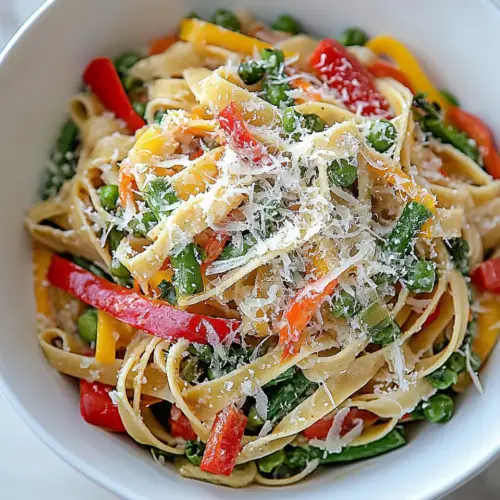
Pasta Primavera
Pasta Primavera is a bright, easy weeknight dinner that pairs al dente penne with crisp spring vegetables, a splash of lemon, and a shower of parmesan. The creamy emulsion from reserved pasta water makes it feel luxurious while remaining light and fresh, perfect for quick family meals and seasonal gatherings. Make it when you want fast, colorful comfort.
Equipment
- Large Pot
- 12-inch skillet
- Colander
- Tongs
Ingredients
- 10 oz . dry Barilla Penne Pasta Cooked to al dente to provide the base structure of the dish; it carries sauce and mixes well with vegetables, adding satisfying texture and heartiness. Boiling in salted water seasons the pasta internally and helps bind the final sauce.
- Salt Used to season the pasta water and vegetables; enhances and balances flavors throughout the dish when added sparingly. Added during cooking stages to lift and brighten other components without overpowering them.
- 1/4 cup olive oil Added to coat vegetables and pasta, providing a rich mouthfeel and helping seasonings adhere; also contributes healthy fats and a subtle fruity flavor. Heated gently, it helps to sauté aromatics and prevents sticking while building the sauce base.
- 1/2 medium red onion, sliced Sautéed until translucent to add mild sweetness and savory depth; contributes aromatic complexity and soft texture that complements firmer vegetables. Thin slicing allows quick cooking and even distribution through the pasta.
- 1 large carrot, peeled and sliced into matchsticks Cooked briefly to retain a slight crunch and natural sweetness; adds color, texture contrast, and subtle earthiness when cut into matchsticks. Peeling and uniform slicing ensure even cooking alongside other vegetables.
- 2 cups broccoli florets, cut into matchsticks Blanched or sautéed as toothsome florets to add vibrant color, nutrition, and a pleasant bite; matchstick cutting increases surface area for quick, even cooking. Offers a slightly bitter, green flavor that balances richer elements in the dish.
- 1 medium red bell pepper, sliced into matchsticks Sautéed until tender-crisp to contribute sweet brightness and crisp texture; matchstick slicing creates thin ribbons that mingle easily with pasta. Provides vivid color and a juicy, slightly sweet flavor when cooked briefly.
- 1 medium yellow squash, sliced into quarter portions Pan-seared or sautéed to add tender, slightly sweet, and firm vegetal notes; quartered slices hold shape and provide a delicate contrast in texture. Mild flavor helps absorb oils, herbs, and lemon for balanced seasoning.
- 1 medium zucchini, sliced into quarter portions Sautéed alongside yellow squash to offer tender yet slightly firm texture with mild, fresh flavor; quartered slices brown nicely and maintain structure. Complements other vegetables and carries the sauce and seasonings well.
- 4 cloves garlic cloves, minced Sweated briefly to release pungent, aromatic flavor; minced form disperses evenly to infuse the oil and vegetables with savory depth without overpowering. Careful cooking prevents bitterness and builds foundational aroma for the dish.
- 1 cup (heaping) grape tomatoes, halved through the length Folded in near the end to add bursts of sweet, acidic freshness and juiciness; halved lengthwise to maximize surface and release bright tomato flavor. Heaping measurement ensures plentiful pockets of fresh tomato throughout the pasta.
- 2 tsp dried Italian seasoning Sprinkled during cooking to provide a fragrant blend of Mediterranean herbs; dries quickly and infuses oil with savory, herbaceous notes. Adds consistent, rounded seasoning that complements vegetables and cheese.
- 1/2 cup pasta water Reserved from pasta cooking to help emulsify the sauce and adjust consistency; starchy water binds oil and cheese to create a silky coating. Measured addition allows control over final sauce thickness and mouthfeel.
- 2 tbsp fresh lemon juice Squeezed in to brighten and balance richness with acidity; fresh lemon juice lifts flavors and adds a clean, zesty finish. Added toward the end to preserve vibrant citrus character and enhance overall brightness.
- 1/2 cup shredded parmesan, *divided Sprinkled in two stages to contribute salty, umami-rich creaminess and nutty complexity; divided use ensures melting into the sauce and finishing on top for texture. Shredded form distributes evenly and melts smoothly into warm pasta.
- 2 tbsp chopped fresh parsley Chopped and sprinkled at the finish to add fresh herbaceous aroma and color; parsley provides a clean, slightly peppery note that refreshes each bite. Adds visual contrast and a final layer of freshness to the assembled dish.
Instructions
- Bring a large pot of water to a boil. Cook penne pasta in salted water according to package directions, reserve 1/2 cup pasta water before draining.: The sound of a rolling boil signals that the water has enough heat energy to cook pasta evenly, and salted boiling water seasons the pasta from within as it hydrates. You should see vigorous bubbling and feel steam on your face, which means the water is ready. A common mistake is under salting, which leads to bland noodles, so be generous with the salt in the pot. Also avoid adding oil to the water, it can prevent the sauce from clinging later.
- Meanwhile heat olive oil in a 12-inch (and deep) skillet over medium-high heat.: The key sensory cue is a tender bite with a slight firmness, not mushy, when you test the pasta . The starchy, slightly viscous pasta water you reserve is gold for emulsifying the final toss, producing a glossy coating. Drain promptly to avoid overcooking, and a common error is leaving pasta sitting hot in the colander which continues to steam it, so move quickly to combine with the vegetables.
- Add red onion and carrot and saute 2 minutes.: You want the oil to shimmer and flow easily across the pan, which indicates it is hot enough to saut e9 without soaking into the vegetables . Listen for a gentle sizzle when you add the first pieces; that sound means the surface is searing, not steaming. If the oil smokes, lower the heat to prevent bitterness. A typical mistake is using too low heat which results in soggy, steamed vegetables rather than a lively sauté.
- Add broccoli and bell pepper then saute 2 minutes.: As the red onion and carrot hit the skillet you should hear a bright sizzle and smell a sweetening onion aroma developing, signaling caramelization is beginning. Keep the pieces moving so they brown lightly, which adds depth of flavor. Overcrowding the pan will trap steam and prevent browning, so work in a large skillet and watch for translucent edges on the onion as your cue to move on.
- Add squash and zucchini then saute 2 - 3 minutes or until veggies have nearly softened.: When you introduce the broccoli and red bell pepper the pan will hiss and the color will intensify, a visual sign that sugars are starting to bloom. Maintain medium high heat and toss so all pieces get exposure to the pan sides, creating tiny browned bits. A common pitfall is stirring too frequently which prevents any browning; let vegetables sit a few seconds between stirs for better texture.
- Add garlic, tomatoes, and Italian seasoning and saute 2 minutes longer.: At this point the softer yellow squash and zucchini will begin to release moisture, and you may notice a gentler sizzle as they steam in their juices. You want them softened but not falling apart, with the edges showing a hint of caramelization. Overcooking will make them mushy, so test for a tender bite that still holds shape.
- Pour veggies into now empty pasta pot or a serving bowl, add drained pasta, drizzle in lemon juice, season with a little more salt as needed and toss while adding in pasta water to loosen as desired.: When the garlic hits the pan, expect an immediate fragrant lift, and the grape tomatoes will start to warm and blister slightly, adding sweet acidity to the mixture. This step layers aromatic complexity and helps the tomatoes release juices that will marry with reserved pasta water . Avoid letting the garlic brown too dark as that introduces bitterness; keep the heat moderate and stir constantly.
- Toss in 1/4 cup parmesan and parsley then serve with remaining parmesan on top.: You should hear a soft clinking as pasta and vegetables mix, and the aroma will become bright from the fresh lemon juice . Adding the starchy pasta water gradually creates a silky emulsion with the olive oil and released vegetable juices, making the mixture glossy. A typical misstep is adding too much water, leaving the dish soupy, so add only enough to achieve a lightly sauced coating.
- Toss in 1/4 cup parmesan and parsley then serve with remaining parmesan on top: When you fold in the grated parmesan and chopped parsley , the parmesan will melt into the warm mixture creating a creamy sheen and the herb will perfume the dish. The final texture should be cohesive yet not heavy, with visible strands of cheese and flecks of green. Resist adding all the cheese at once if you prefer a lighter finish, and be mindful that the reserved topping allows diners to customize salt and richness.
Notes
- Make it cheesier: Increase the amount of grated parmesan to 1 cup and stir it in bit by bit until you reach the desired creaminess, watching for salt level.
- Use seasonal vegetables: Swap in asparagus or peas in spring, or cherry tomatoes in summer, keeping similar sizes so cooking times stay consistent.
- Brighten the finish: Add a little more fresh lemon juice or a pinch of lemon zest at the end to amplify freshness without changing texture.
- Herb forward: Stir in additional chopped fresh parsley or other soft herbs at the end for a green, aromatic note that lifts the dish.
- Make ahead approach: Cook the pasta slightly under al dente and refrigerate; when ready, reheat gently in a skillet with the vegetables and a splash of reserved pasta water.
- Textural contrast: Toast some breadcrumbs in a skillet with a touch of olive oil and sprinkle on top for crunch without altering the main flavors.