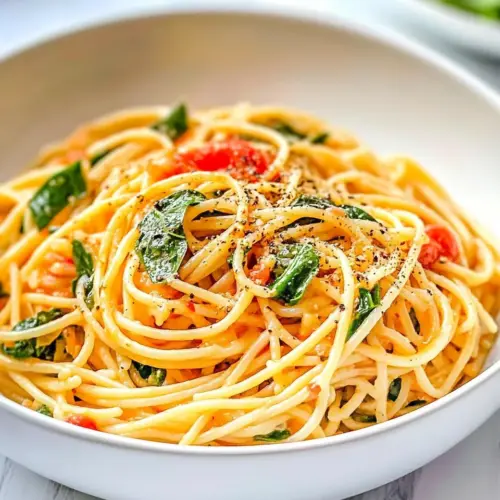
Pasta Pomodoro
Pasta Pomodoro is a bright, fresh and easy weeknight dinner that combines juicy tomatoes, fragrant garlic, and fresh basil with glossy pasta. This creamy yet light sauce clings to each strand for a satisfying bite, making it perfect for quick family meals or relaxed supper with friends. Try it for a quick, comforting dinner that showcases simple, high quality ingredients.
Equipment
- Large Pot
- Colander
- Large Dutch oven
- Wooden Spoon
Ingredients
- 1 pounds spaghetti (uncooked) Bring a starchy backbone to the dish by providing long, satisfying strands that hold the sauce; cook until al dente so it absorbs flavors without becoming mushy. Pair with a generous toss of sauce and cheese to create the classic Pasta Pomodoro texture and mouthfeel.
- 2 tablespoons butter (unsalted) Add a rich, silky mouthfeel and help blend the olive oil with other ingredients when melted; use unsalted butter to control seasoning and avoid over-salting. Finish the sauce with a knob for glossy sheen and subtle dairy sweetness that balances acidity.
- 2 tablespoons olive oil (extra virgin) Contribute fruity, peppery undertones and act as the primary fat for sautéing aromatics; use extra virgin olive oil for authentic flavor. Heat gently to release flavor compounds from onion and garlic without burning, creating the sauce’s savory base.
- 1 large onion (chopped) Provide a sweet, aromatic foundation when softened and caramelized; chop uniformly to ensure even cooking and release of natural sugars. Sauté until translucent to build depth and complexity without overwhelming the delicate tomato flavor.
- 4 cloves garlic (minced) Deliver pungent, savory notes and deepen the sauce’s aromatic profile; mince finely so it distributes evenly and infuses the oil. Add early in cooking for mellowed sweetness or later for a sharper garlic presence depending on desired intensity.
- 4 cups tomatoes (chopped, about 4 to 6 large tomatoes) Supply bright acidity, body, and natural sweetness as the main tomato component; chop to release juices and create both sauce texture and flavor. Simmer to concentrate flavors, balance with seasoning, and allow tomatoes to break down into a cohesive Pomodoro sauce.
- salt and pepper to taste Enhance overall flavor balance by adjusting seasoning to taste; use salt to amplify sweetness and pepper to add gentle heat. Season incrementally during cooking and taste frequently to achieve a harmonious, well-rounded sauce.
- 1 teaspoons sugar Counteract tomato acidity and elevate perceived sweetness with a small amount of sugar; dissolve into the simmering sauce for even distribution. Use sparingly to avoid cloying sweetness while smoothing harsh acidic notes from tomatoes.
- 1/2 teaspoon red pepper flakes Introduce a touch of heat and subtle warmth to the sauce; add conservatively to control spiciness. Sprinkle in early to infuse the sauce with gentle, lingering spice that complements rather than overpowers the tomatoes and basil.
- 1/4 cup fresh basil (chopped) Impart fresh, herbaceous aroma and bright, peppery flavor when chopped; stir in near the end of cooking to preserve fragrance and color. Use generously to lift the sauce and provide the signature fragrant note of a classic Pomodoro.
- 1/2 cup Parmesan cheese (freshly grated) Contribute savory, nutty umami and a salty finish when freshly grated; incorporate at the end or serve alongside to maintain texture. Use freshly grated Parmesan to enhance richness and provide a satisfying, savory contrast to the bright tomato sauce.
Instructions
- Cook the spaghetti according to package directions. Reserve 1 cup of pasta water then drain the spaghetti.: A fragrant cloud of boiling water and the sound of lively bubbles signal that the pasta is cooking at a good pace. The starchy pasta water you reserve is liquid gold, because it helps emulsion and bind the sauce to the strands, creating a glossy finish. One common mistake is draining everything and discarding the water, which makes the sauce thin and separate. If the pasta feels too firm or too soft, adjust the next batch by shortening or lengthening the cooking time slightly.
- Meanwhile, add the butter and oil to a large Dutch oven and heat over medium heat. Add the onion and cook for 5 minutes until the onion softens. Add the garlic and cook for another 30 seconds until fragrant.: As the butter melts into the olive oil , you will notice a faint nutty aroma and a shimmering surface on the pan. The onion should become translucent and slightly glossy, releasing gentle sweetness. When you add the garlic , listen for a soft sizzle and breathe in the fragrant, toasty scent; do not let the garlic turn brown, because that bitterness will carry through the whole dish. A frequent error here is using too high heat, which causes quick browning instead of gentle softening.
- Add the tomatoes, salt, pepper, sugar and red pepper flakes. Cook for about 5 minutes until the tomato starts to break down, stirring occasionally. Reduce heat to simmer and cook for 15 minutes. Taste for seasoning and adjust as necessary.: The tomatoes will first steam and then begin to collapse, releasing bright, slightly tart steam that fills the kitchen. Stirring occasionally helps them break down evenly, creating a mix of juicy bits and saucy liquid. Red pepper flakes will perfume the steam with a subtle warmth, while sugar tames sharp edges. As it simmers, the sauce will thicken and the flavors will concentrate. Avoid rushing this step with high heat, which can cause uneven cooking and a harsher tomato flavor.
- Stir in the basil. Add the cooked spaghetti and half of the pasta water. Toss everything well to combine. Add more pasta water if needed.: When the basil hits the hot sauce, you will smell a fresh, peppery lift, a sign to move quickly so the herb stays vibrant. The reserved pasta water helps create a silky emulsion, and the strands should glisten and look coated rather than sitting in a puddle. If the sauce seems dry, add small splashes of water until the texture becomes glossy and clingy. A typical mistake is dumping all the water at once, which can make the sauce too loose; add gradually until satisfied.
- Serve topped with Parmesan cheese and more basil.: The final presentation is the payoff, with steam rising and the sharp, nutty perfume of freshly grated Parmesan cheese melting into warm pasta. The contrast of warm noodles and cool, bright basil heightens the experience. Avoid leaving the pasta in the pot too long, because residual heat will continue to soften it and may lead to a mushy texture. Serve promptly so each bite keeps its intended tension and freshness.
Notes
- Use quality ingredients: Traditional Italian pasta dishes benefit from fewer but higher quality components. Choosing a good extra virgin olive oil and freshly grated Parmesan cheese elevates the result. I find that a flavorful oil gives body to the sauce and a fragrant finish, while freshly grated cheese melts more smoothly and offers a cleaner, nuttier taste compared to pre grated varieties.
- Salt your pasta water generously: The water should taste like the sea, which helps season the spaghetti from the inside out. This step reduces the need to over salt the sauce and ensures uniform seasoning. If pasta tastes bland after draining, it is often because the water was under salted.
- Serve immediately: Pasta left in a warm pot will continue to cook and become soft, so plate soon after tossing with the sauce. I recommend having bowls ready before you finish tossing, and adding the cheese just before serving so it melts properly without making the dish go limp.
- Storage and reheating: Store leftovers in an airtight container for up to five days in the refrigerator. To reheat, add a few tablespoons of water and warm gently on the stovetop or in the microwave on medium power. This reintroduces moisture and prevents the pasta from drying out.
- Freezing note: You can freeze for up to three months, but be aware that pasta texture may degrade. If you plan to freeze, undercook the pasta slightly so it holds up better upon reheating, and expect some softening.