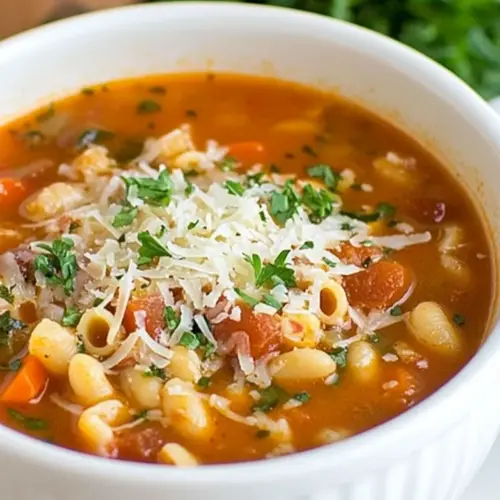
Pasta e Fagioli Soup
Pasta e Fagioli Soup is a creamy, savory bowl with browned ground beef, tender red beans, and bright tomatoes. This easy weeknight dinner delivers comforting depth and fresh zucchini texture, perfect for cold evenings or batch cooking. It’s rich, satisfying, and made approachable by simple pantry ingredients, so you’ll want to make it again and again.
Equipment
- Large non-stick frying pan
- Slow Cooker
- Turner or potato masher
- Colander
Ingredients
- 1 lb . ground beef Brown and crumble to add a rich, savory base and hearty protein that deepens the soup's flavor profile; drain excess fat if desired to control richness. Use cooked ground beef to provide texture contrast with beans and pasta while delivering umami and satisfying heft to the dish.
- 3 links turkey Italian sausage (see notes) Slice and brown to contribute leaner pork-free Italian seasoning and meaty umami; remove casings if preferred and allow flavors to meld with onions and garlic. Include turkey Italian sausage to introduce aromatic fennel and spice notes without overpowering the soup, enhancing overall complexity.
- 2 tsp . + 1 tsp. olive oil Heat for sautéing and to develop fond when cooking meats and vegetables; distribute 2 teaspoons for initial browning and reserve 1 teaspoon for finishing or adding later. Employ olive oil for its mild fruity flavor and ability to prevent sticking while carrying aromatics through the cooking process.
- 1/2 cup chopped carrots Sauté until softened to build a subtle sweetness and body in the soup base; chop finely to integrate smoothly with onions and garlic. Add carrots to contribute natural sweetness, color, and additional nutrients that balance the savory and acidic elements of the broth.
- one medium onion chopped small Sauté chopped small to create the aromatic foundation and impart savory depth; cook until translucent to release sugars and meld with other aromatics. Use a medium onion for its robust flavor that forms the backbone of the soup's savory profile.
- 1 T minced garlic (we used garlic from a jar) Mince and cook briefly to infuse the soup with pungent, aromatic garlic flavor; add during the last moments of sautéing to avoid burning. Use jarred minced garlic for convenience and consistent potency, contributing bright, savory notes throughout the broth.
- 1 tsp . Italian Herb Blend Sprinkle to season while cooking and build an herby Mediterranean backbone; add early with other dried spices to toast and release oils. Use Italian Herb Blend to unify basil, oregano, thyme, and other herbs, enhancing the overall Italian-inspired character.
- 1 tsp . Spike Seasoning Shake in to impart a balanced savory seasoning with a pinch of salt and herb complexity; add gradually and taste as you go. Use Spike Seasoning for quick, rounded seasoning that layers well with other spices and reduces the need for multiple individual seasonings.
- 1 tsp . ground fennel seed Sprinkle to introduce warm, slightly sweet and licorice-like undertones that complement sausage and tomatoes; add with other dried spices for even distribution. Use ground fennel seed to echo traditional sausage flavors and deepen the savory profile without overwhelming the dish.
- 1/2 tsp . ground red pepper flakes (more or less to taste) Add sparingly to provide heat and a bit of warmth that can be adjusted to taste; add less or more depending on desired spice level. Use ground red pepper flakes to brighten the soup with subtle chili heat and to balance acidity from tomatoes and vinegar.
- one 15 oz. can small red beans, rinsed in a colander and drained (see notes) Rinse and drain to control sodium and remove packing liquid, then stir into the soup to add creamy texture and protein. Use small red beans for a tender, satisfying element that soaks up broth while contributing fiber and a smooth mouthfeel.
- 8 cups beef broth (see notes) Pour in to create the soup's liquid base and supply deep savory, beefy notes; adjust quantity for desired thickness and flavor concentration. Use beef broth to anchor the soup with robust umami that complements the meat, beans, and tomatoes.
- two 14.5 oz. cans petite diced tomatoes Add with their juices to supply acidity, sweetness, and tomato texture without needing to dice fresh tomatoes; stir in early to integrate flavors. Use petite diced tomatoes for bright tomato flavor, small pieces that disperse evenly through the soup.
- a few pieces of chopped Parmesan rind if you have them Toss in during simmering to leach savory, salty Parmesan flavors into the broth and intensify umami; remove rinds before serving if preferred. Use chopped Parmesan rind pieces to naturally thicken and enrich the broth with nutty, cheesy depth.
- 1 1/2 cup chopped zucchini noodles (see notes) Fold in near the end to add mild vegetal freshness and body while keeping a light texture; chop into short noodle-like pieces for easy eating. Use chopped zucchini noodles to increase vegetable content and provide a delicate, low-carb pasta substitute.
- 2 T balsamic vinegar Stir in to add acidity and complexity that brightens the overall flavor; add gradually and taste to achieve balance. Use balsamic vinegar for its sweet-tart depth that harmonizes tomatoes and meat while rounding out the soup's flavors.
- salt and fresh ground black pepper to taste Season to taste to elevate and balance all components; add incrementally and adjust at the end of cooking for best results. Use salt and fresh ground black pepper to enhance natural flavors and provide finishing seasoning control.
- freshly grated Parmesan cheese for serving (optional) Sprinkle generously when serving to add a salty, nutty finishing touch and creamy texture contrast; offer optional for individual preference. Use freshly grated Parmesan cheese as an optional garnish to enrich each bowl with savory, melty cheese flavor.
Instructions
- Heat 2 tsp. olive oil in a large non-stick frying pan (or in the Ninja Cooker), add the ground beef and Italian sausage and cook over medium-high heat until it’s nicely browned, breaking apart with a turner or potato masher while it cooks.: Warmth and scent kick off this recipe, and when the olive oil shimmers you will smell the first savory notes as meat hits the pan, a sharp sizzling that turns into a deeper roasted aroma as the proteins brown. Look for small golden and mahogany bits forming on the surface, these are the flavor factories, and they will dissolve into the broth. Use steady medium-high heat to concentrate flavor without burning, and keep the meat moving so it breaks into even pieces. One frequent misstep is overloading the pan which causes steaming rather than browning, so cook in batches if needed. As you brown, notice a nutty aroma and reduced moisture; that signals readiness.
- When it’s browned well, put the meat into the slow cooker.: At this point you will have rendered flavorful bits and some fat, and transferring the browned meat to the slow cooker preserves that concentrated taste. The meat will continue to release juices into the broader pot, helping build a rich base. Make sure to scrape up any sticky browned fragments from the pan and add them too, they carry deep flavor. A common mistake is leaving fond behind, which means lost depth, so use a spatula to gather everything. The texture should already be crumbly and glossy, not wet and raw.
- Add the other teaspoon of oil to the frying pan, add the carrots and onions, and cook about 3 minutes.: Sautéeing vegetables briefly in olive oil softens them and releases their sugars, producing a gentle sweetness that complements the meat. You will see the edges of the carrots and onion start to turn translucent and hear a light sizzle. This is the time to coax out sweetness without browning; too much color here can change the profile, so aim for softened, glistening vegetables. Overcrowding can prevent even cooking, so give them room and stir occasionally.
- Then add the minced garlic, Italian Herb Seasoning, Spike Seasoning, ground fennel, and red pepper flakes and cook about 2 minutes more.: When these aromatics hit the warm vegetables, a fragrant lift will spread through the kitchen as essential oils bloom, and the pan will release a savory perfume. The garlic should become fragrant but not brown, which would turn bitter, so stir constantly. The herbs and spices will toast slightly, deepening their character and binding to the softened veggies. A typical error is adding garlic too early on high heat, so keep the temperature moderate and watch for a warm, aromatic scent to signal the end of this brief step.
- Add the vegetables to the slow cooker.: Transferring the aromatic vegetables into the slow cooker layers their sweet and herby flavors with the browned meat. You will notice the pot already taking on complexity as colors and scents blend, and the vegetables will continue to melt into the broth over time, thickening and enriching it. Be sure to scrape the pan to collect residual bits, ensuring nothing of value is wasted. If you skip scraping, you miss incremental depth that elevates the final soup.
- Add the beef stock or broth, petite diced tomatoes, and drained beans to the slow cooker, with some pieces of Parmesan rind if you’re lucky enough to have some.: Pouring in the beef broth and canned tomatoes creates the soup’s liquid backbone, and adding rinsed red beans contributes creamy body. The broth will steam and release a meaty aroma, while the tomatoes add a bright, slightly acidic note. Tossing in a Parmesan rind discreetly infuses umami as it simmers. Stir gently so the ingredients integrate; avoid vigorous agitation which can break beans. A common pitfall is neglecting to rinse canned beans, which can add excess saltiness and a starchy haze.
- Cook on HIGH for 2 1/2 – 3 hours. (The Ninja cooks a little hot, so you might need a little more than 3 hours if you’re using a different slow cooker.): Slow, sustained heat allows flavors to marry and deepen, and during this phase the broth becomes cohesive, carrying combined savory, herby, and tomato notes. You will notice a gradual thickening and a mellowing of sharp edges as acids and fats harmonize. If you use a cooker that runs hot, monitor progress because intense heat can shrink liquid too fast. Resist the urge to stir constantly; gentle occasional checks are best. Overcooking on too high a setting can make beans fall apart and produce a muddled texture.
- When the soup has cooked about 3 hours, make zucchini noodles using the method you prefer.: Fresh zucchini noodles bring a clean, green freshness that mimics pasta while keeping the dish lighter, and preparing them at this stage ensures they retain texture when added. You will hear a crisp snap when they are raw and notice a delicate vegetal scent. If you spiralize, aim for uniform strands so they chop predictably. Avoid pre cooking zucchini too far ahead, because excess moisture can water down the soup.
- Then coarsely chop the noodles until you have 1 1/2 cups chopped zucchini (or more if you are omitting the beans or carrots.): Coarsely chopping the noodles creates bite sized bits that distribute through each spoonful, offering texture without large strands getting tangled. The pieces should look plump and green, and when touched they will be slightly moist but firm. If your pieces are too large they may not warm evenly, so chop with steady, confident cuts. A frequent small error is uneven chopping which leads to inconsistent doneness in the final simmer.
- Add zucchini to the soup and cook 30-45 minutes more, or until the zucchini is done to your liking.: As the chopped zucchini simmers, it softens and imparts a fresh note, and the broth will pick up a gentle vegetal sweetness. Watch for the texture you prefer, whether slightly al dente or fully tender, and taste periodically. Overcooking will yield mushy zucchini and dilute the broth, so aim for a tender but intact bite. If the soup becomes too thin, briefly increase heat uncovered to reduce and concentrate flavors.
- Remove the Parmesan rind if it hasn’t all dissolved.: Rinds add deep, savory character but can remain chewy, so fish them out before serving. You should be left with a silky, umami enriched broth, and removing the rind prevents unpleasant bites. Check the pot carefully; any stray bits will be noticeable texturally. Forgetting to remove them can surprise diners with an unexpected tough piece.
- Stir in the balsamic vinegar and season soup to taste with salt and fresh ground black pepper. (Taste before salting if you use the Parmesan, because it’s a bit salty.): The final splash of balsamic vinegar brightens and balances the pot, rounding the acidity and enhancing depth. Season with salt and black pepper cautiously, tasting as you go, especially if you used a Parmesan rind or salted broth which can already contribute sodium. The aroma will lift immediately after the vinegar, and you will taste a more cohesive, layered profile. Over seasoning is hard to reverse, so adjust in small increments.
- Serve hot, with freshly grated Parmesan to add at the table if desired.: Serve the soup steaming, noticing the mingled scents of meat, herbs, and tomato. A dusting of freshly grated Parmesan cheese at the table melts into hot broth, adding a creamy finish. Encourage guests to taste before adding cheese, as the pot may already be perfectly seasoned. Avoid pre adding too much cheese to the whole pot, as it can change the texture and salt balance for everyone.
Notes
- Use low sodium broth to control saltiness, especially if you plan to include the Parmesan rind which adds salt and umami; diluting overly salty stock with water is preferable to over salting later.
- Swap turkey sausage for regular Italian sausage if you prefer a bolder, fattier profile; just be aware this increases richness and may require skimming excess fat after browning.
- Make it vegetarian by omitting the meats and using mushroom or vegetable broth plus extra beans for protein; expect a different but still hearty flavor profile.
- Prepare zucchini right before adding so it keeps structure; pre chopping early can release water and thin the soup.
- Toast dry spices briefly in the pan with the vegetables to amplify aroma, but keep the heat moderate to avoid burning which produces bitterness.
- Brown the meat in batches if necessary to ensure maximum fond development; crowded meat steams and misses those flavorful browned bits.
- Use fresh grated Parmesan at serving for best melt and flavor; pre grated options often contain anti caking agents that affect texture.