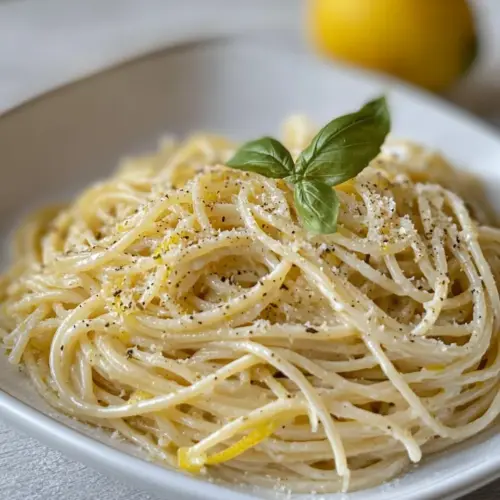
Pasta Al Limone
Pasta Al Limone is a creamy, bright pasta with fresh lemon, silky butter, and savory parmesan cheese. This easy weeknight dinner delivers a tangy and comforting experience, perfect for spring meals or simple gatherings. The silky sauce clings to spaghetti for satisfying texture and speedy preparation, making it a must make for anyone who loves fresh flavors and minimal fuss.
Equipment
- Large Pot
- Skillet
- Colander
- Grater
Ingredients
- 12 ounces spaghetti I recommend a classic long pasta Cooked until al dente and used as the primary starch base for the dish, providing texture and body. Holds and absorbs the creamy lemon-butter sauce, allowing flavors to cling to each strand. Choose a classic long pasta like spaghetti for traditional presentation and even sauce distribution.
- 6 tablespoons butter Melted to create a rich, silky sauce that binds the pasta and lemon components together. Adds depth, creaminess, and a subtle nutty flavor when cooked gently without browning. Use unsalted or adjust salt later to control seasoning.
- 1 clove garlic minced Minced finely to release aromatic oils that infuse the butter and lemon sauce with savory depth. Saute briefly to mellow its sharpness while avoiding browning, which can make it bitter. Contributes subtle savory background to balance the citrus and cheese.
- Juice of 2 large lemons Squeezed to provide bright, acidic juice that lightens and lifts the overall flavor profile of the sauce. Balances the richness of butter and cheese while adding a fresh citrus tang. Freshly juiced lemons deliver a cleaner, more vibrant taste than bottled alternatives.
- Zest of 2 lemons Zested finely to contribute concentrated citrus oils that intensify lemon aroma and flavor without adding extra acidity. Disperses through the sauce to give bright, fragrant top notes that complement the juice. Use only the yellow part to avoid bitter pith.
- 1 cup grated parmesan cheese Grated finely to thicken and enrich the sauce while adding savory, umami-rich character. Melts into the warm lemon-butter mixture creating a silky, cohesive coating for the pasta. Adjust quantity for creaminess and saltiness based on taste.
- Salt and pepper to taste Added sparingly to enhance and balance overall seasoning, bringing out both savory and citrus elements. Ground black pepper provides mild heat and aromatic lift to the creamy sauce. Taste and adjust at the end to avoid over-seasoning.
- Additional lemons and parmesan cheese for serving Provided as optional servings to allow diners to customize brightness and cheesiness to their preference. Extra lemon can heighten acidity and freshness, while additional parmesan increases creaminess and savory depth. Offer on the side for individual adjustment.
- Basil or Italian parsley for garnish Used as a final visual and flavor garnish to add herbal freshness and a pop of color to the finished plate. Chopped basil or Italian parsley brightens the dish and complements the lemony profile without overpowering. Sprinkle just before serving for best aroma.
Instructions
- In a large pot, filled with salted water, boil your pasta until al dente. Follow the package instructions. Drain the pasta, reserving 1 cup of the pasta water.: The aroma of the boiling water will be neutral, but the key cue is texture, not time. When you taste a strand it should have a slight resistance in the center, tender on the outside and pleasantly chewy within. This firmness allows the pasta to finish cooking in the skillet without turning mushy. A common mistake is overcooking the pasta in the pot; if that happens the noodles will not hold the sauce and become gluey.
- Once your pasta is cooked and drained, in a large skillet over medium heat melt your butter. Sautee your minced garlic in the melted butter for just under a minute, add in your cooked pasta, half of your lemon juice, and half of the reserved pasta water.: The warm, starchy water will look slightly cloudy and feel slippery. This liquid carries surface starch that helps the parmesan cheese and butter emulsify into a cohesive sauce, giving it shine and body. Keep it hot in the pot until you need it because cold water will cool the sauce and prevent proper melding. Avoid pouring it down the drain prematurely, as losing it can make the sauce too dry.
- Cook the pasta in the skillet, stirring continuously to coat the pasta in the butter mixture. Keep an eye on your pasta as you cook, it should always remain evenly coated in the sauce while it cooks, if it becomes dry or at all, add a little more of the reserved water, but don’t over water your pasta.: When the pot is ready, drain the spaghetti quickly but do not rinse it. The steam rising from the colander should smell faintly of wheat. Rinsing removes the starch that helps the sauce adhere, so resist the temptation. A slip to avoid is leaving the pasta sitting too long after draining, which can cause clumping; aim to move it to the skillet promptly.
- Once your pasta has cooked in the skillet, being continually stirred, for about 3 minutes add in the lemon zest, the rest of the lemon juice, and your parmesan cheese. Continue to stir and cook the pasta, evenly distributing the cheese and zest.: You should see the butter melt into a glossy pool and smell a faint sweetness. Keep the heat moderate so the butter does not brown, unless you want a nuttier profile. The correct temperature yields a smooth base for sautéing garlic and coating the pasta. If the butter starts to foam heavily, lower the heat to prevent burning.
- Add in salt and pepper and adjust the amount to your liking. The pasta is ready to serve when it is even coated in the lemon butter sauce mixture and the cheese has been evenly melted and distributed throughout the noodles.: The fragrance will become aromatic and slightly sweet, signaling the garlic is ready. Avoid browning because it introduces bitterness. Stir constantly and look for small bubbles around the garlic; that gentle sizzle is the sensory cue for the right moment. Overcooking garlic is the most common flavor pitfall here, so keep a watchful eye.
- Enjoy fresh, plating your pasta with thinly sliced lemon wedges and minced lemongrass for garnish.: When these come together you will hear a soft hiss and see the pasta begin to glisten. The first splash of pasta water helps the sauce start to form, while the initial lemon juice introduces acidity without overwhelming the balance. Keep stirring so the liquid combines evenly, and if the mixture looks too dry, add a little more reserved water incrementally. Adding too much at once can make the sauce runny.
- Cook the pasta in the skillet, stirring continuously to coat the pasta in the butter mixture: The sound should be a steady gentle sizzle, and visually the strands will gradually become glossy and uniformly coated. Stirring encourages the starches to release and marry the fats, creating a silky texture. This step matters because it determines how well the sauce clings to the noodle. A frequent error is intermittent stirring which leads to uneven coating and dry spots.
- If the pasta becomes dry, add a little more reserved water but do not over water your pasta: The reserved water should be added in tablespoons until the sauce reaches a satin consistency. You will feel the sauce thicken slightly as the parmesan cheese starts to bind with the starch. Adding too much water dilutes flavor and thins the texture, while adding none can leave the dish gummy. Adjust slowly and taste as you go.
- Add in the lemon zest, the rest of the lemon juice, and your parmesan cheese: The moment you sprinkle in the grated parmesan cheese the sauce will begin to thicken and develop a savory depth. The zest releases aromatic oils that lift the profile. Stir continuously so the cheese melts evenly, creating a silky coating rather than clumps. If the cheese clumps, lower the heat and add a splash of reserved water to loosen it.
- Continue to stir and cook the pasta, evenly distributing the cheese and zest: The texture should become smooth, with visible flecks of zest and a uniform sheen. This stage is about integration, making sure the citrus and dairy are balanced throughout. Overworking the pasta can make it gluey, while under mixing leaves pockets of unmelted cheese. Aim for consistent movement and attention.
- Add in salt and pepper and adjust the amount to your liking: Seasoning is the final flavor adjustment, and it should elevate the lemon and cheese without overpowering them. Taste a small forkful and add salt in small increments, because the parmesan cheese adds saltiness too. Freshly cracked black pepper brings a mild warmth; add it gradually to avoid masking the lemon's brightness.
- The pasta is ready to serve when it is even coated in the lemon butter sauce mixture and the cheese has been evenly melted and distributed throughout the noodles: Look for a silky sheen and a cohesive sauce that clings to each strand. The aroma will be a blend of citrus, butter, and savory cheese. If the sauce seems to separate, a brief gentle heat while stirring with a teaspoon of reserved water should bring it back together. Avoid overheating, which can make the sauce oily.
- Enjoy fresh, plating your pasta with thinly sliced lemon wedges and minced lemongrass for garnish: The visual cue of bright lemon wedges and a sprinkle of green herb makes the dish inviting. Serve immediately while warm, because the sauce tastes best fresh. A common serving mistake is letting the pasta sit, which cools the sauce and changes the texture. Plate and present promptly for the best experience.
Notes
- Measure the pasta precisely When a recipe calls for 12 ounces of spaghetti, I weigh it rather than eyeballing; this helps keep the sauce to pasta ratio consistent so the noodles are not overwhelmed or left dry.
- Salt the cooking water generously The pasta water should taste like the sea, because salt is absorbed and seasons the pasta from within; under salting here leads to a bland final dish that more cheese cannot always fix.
- Keep the reserved pasta water hot I keep it in the still hot pot so it blends smoothly with the butter and parmesan cheese; cold water can shock the sauce and cause it to seize or separate.
- Grate cheese fresh Freshly grated parmesan cheese melts uniformly and brings a bright, nutty flavor that pre grated versions lack; it also helps avoid clumping in the sauce.
- Palm the lemon zest Zest just before using and mince it finely so the oils distribute evenly; zest held for long periods can dry and lose aromatic intensity.
- Stir continuously when finishing A steady, confident stir during the final emulsification yields a satiny sauce and prevents localized clumping of cheese.
- Adjust acidity in small increments Add lemon juice gradually and always taste between additions; too much acid can flatten the butter and cheese balance, while too little makes the dish heavy.
- Serve immediately This dish is best hot and fresh; letting it sit causes the sauce to thicken and the texture to shift from silky to stodgy.
- Use fresh herbs sparingly A light scattering of basil or Italian parsley brightens the plate without masking the lemon; chop them finely for even distribution.
- Keep extras at the table Offer lemon wedges and extra parmesan cheese so diners can fine tune acidity and saltiness to their tastes.