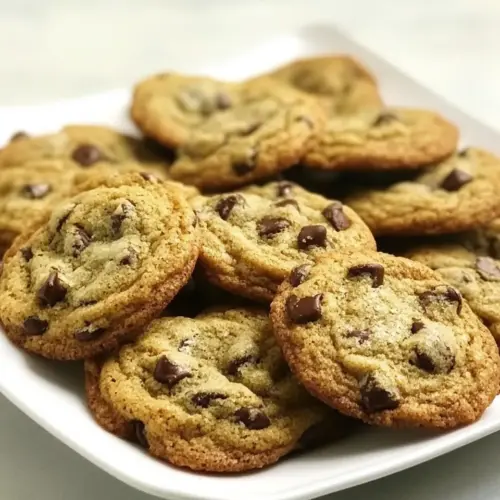
Passover Chocolate Chip Cookies
Passover Chocolate Chip Cookies are tender, slightly chewy cookies made with matzo cake meal and matzo meal, enriched by unsalted butter and bursts of chocolate chips. These easy, crowd pleasing cookies deliver warm buttery aroma and crisp edges, perfect for holiday gatherings or cozy snack times. Make them for a familiar treat that honors tradition while staying irresistibly delicious.
Equipment
- Mixing Bowl
- Wooden spoon or mixer
- Measuring Cups
- Baking Sheet
- Cooling rack
- Oven
Ingredients
- 1 cup unsalted butter (2 sticks) Soften and cream to provide a rich, tender base and help incorporate air for a light cookie texture. Adds a buttery flavor that balances sweetness and enriches the dough, while contributing to spread during baking.
- 1 1/2 cups brown sugar Sweeten and add moisture while offering a deep, caramel-like flavor that complements the butter and chocolate. Help achieve a soft, chewy interior and slightly crisp edges as they dissolve into the dough during baking.
- 2 tablespoons honey Sweeten and add a subtle floral complexity while helping retain moisture for a softer crumb. Act as a binding agent to enhance chewiness and contribute mild sweetness that layers with the brown sugar.
- 2 teaspoons vanilla Flavor and aromatize the dough with warm, familiar vanilla notes that enhance the overall perception of other flavors. Assist in rounding out the sweetness and intensifying the chocolate undertones for a more balanced cookie.
- 1/4 teaspoon kosher salt Season and enhance the sweetness while balancing flavors to prevent the cookies from tasting flat or overly sweet. Provide slight structure and help amplify the other ingredients' flavors in the final baked cookie.
- 2 large eggs Bind and provide structure by helping proteins set during baking, contributing to the cookie's softness and chewiness. Add moisture and richness that improve mouthfeel and assist with leavening when combined with other ingredients.
- 1 1/2 cups matzo cake meal Provide structure and a tender crumb as a Passover-friendly flour alternative, giving the cookies their primary body. Contribute a neutral, slightly nutty flavor and absorb moisture from fats and eggs to form the dough.
- 1/4 cup matzo meal Absorb extra moisture and fine-tune the dough's texture to prevent spreading while maintaining a tender interior. Work in tandem with the larger amount of matzo cake meal to ensure proper consistency and chewiness.
- 2 cups chocolate chips Add concentrated chocolate flavor and pockets of molten or slightly melted texture that define chocolate chip cookies. Contribute sweetness and textural contrast, creating bursts of rich chocolate throughout each bite.
Instructions
- Preheat oven to 350 degrees F. Cream the butter with brown sugar, honey, vanilla and salt. Add eggs and mix well.: Warmth sets the stage, and you should notice the oven reaching an even, steady heat so the cookies bake uniformly. The preheated environment helps the butter in the dough to start melting just enough for a gentle spread, which encourages the edges to crisp while the centers remain soft. A common mistake is putting the pan into an oven that has not reached temperature, leading to uneven browning and dense centers. If you have an oven thermometer, use it to confirm accuracy and avoid hot spots that could cause some cookies to brown faster than others.
- Mix in cake meal and matzo meal.: As you beat the softened unsalted butter and brown sugar , the mixture will lighten in color and become fluffy; this aeration contributes to a tender texture. The honey and vanilla will incorporate and perfume the batter, releasing a sweet, warm aroma. Listen for the change in texture from gritty to smooth, and scrape the bowl often to ensure everything mixes evenly. Watch out for over mixing once eggs are added, because excessive beating can produce a tougher cookie by developing too much structure.
- Stir in the chocolate chips.: When you add the eggs , the batter will become silkier and more cohesive, with a slight sheen. The eggs help emulsify the fat and sugars, creating a uniform dough that holds together when scooped. Mix until the eggs are fully incorporated and the surface looks glossy, but stop once no streaks remain to prevent a rubbery bite. A frequent error is rushing and leaving bits of unmixed egg, which can create pockets of uneven texture in the baked cookie.
- Drop by tablespoons onto ungreased cookie sheets 2 inches apart. Press down slightly to flatten.: Folding in the matzo cake meal and matzo meal will thicken the dough and mute the shine, giving it body. As the dry ingredients absorb moisture, the dough will feel less sticky and more scoopable, with a slightly grainy, tender texture that signals readiness. If the dough seems too wet, chill briefly rather than adding extra dry ingredients, because over addition can make the cookies crumbly. Be careful to evenly distribute the meals to avoid clumps or dry pockets that bake into unpleasant crumbs.
- Bake at 350 degrees for 12-15 minutes until slightly golden. These are great when slightly warmed, dipped in a cold, frothy glass of milk. Yum!: Adding the chocolate chips transforms the dough visually with dark specks, and as you stir you should hear the gentle clink of chips against the bowl. Aim for an even spread so each cookie has good chocolate coverage. The chips will melt a bit during baking, creating glossy pockets of molten chocolate, which is one of the sensory highlights. Be careful not to over stir, which can break up chips or lead to a dense distribution clustered in a few cookies.
- Drop by tablespoons onto ungreased cookie sheets 2 inches apart: Scooping dough by tablespoon produces uniform cookies that bake at the same rate, and spacing them about 2 inches allows room for slight spreading. The dough should hold its shape yet be soft to the touch. As you place them on the sheet, you may notice slight tackiness, which is expected. Too close placement will cause cookies to merge into one another, so leave room or bake in batches for consistent shape.
- Press down slightly to flatten: Gently pressing the dough rounds helps them develop a desirable profile with thin edges and a soft center, and the contact creates a textured surface that browns attractively. The slight flattening encourages even baking and gives the cookies a recognizable cookie look instead of a tall mound. Press carefully so you do not overly thin them, because overly flat cookies can become crisp throughout instead of chewy.
- Bake at 350 degrees for 12 to 15 minutes until slightly golden: You will smell deepened sweetness and notice the edges turning a light golden color while the centers remain paler, indicating the ideal doneness. The cookies should be set at the edges but a touch soft in the middle; they firm up as they cool. Opening the oven too often can drop the temperature and extend baking time, so keep it closed and check near the end of the window. Overbaking will dry them out, so remove them when the center still yields slightly to a fingertip.
- These are great when slightly warmed, dipped in a cold, frothy glass of milk: Serving them warm enhances the melty chocolate chips and brings forward the buttery aroma, creating a satisfying contrast with a cold drink. The texture is at its peak when slightly warmed, with soft interiors and crisped edges. If you need to reheat, use a low oven or microwave briefly and monitor closely to avoid melting the chocolate excessively or making the cookie soggy. Avoid storing them unprotected, because exposure to air can cause the crisp edges to soften and lose their character.
Notes
- Butter temperature matters: Use softened but not melted unsalted butter; it should give slightly under your fingertip. Too warm butter yields flat cookies, while too cold butter will prevent proper creaming and produce dense results.
- Brown sugar packing: Lightly pack the brown sugar when measuring to maintain moisture without over sweetening. Overpacked sugar makes the dough heavier and can alter the cookie spread and texture.
- Honey balance: Measure the honey carefully, because it affects both flavor and moisture. If your honey is very runny, consider a quick chill of the dough before baking to control spread.
- Egg integration: Add the eggs one at a time if you feel the batter is thin, mixing until each is absorbed; this helps maintain a stable emulsion and prevents a greasy mouthfeel.
- Even chip distribution: Fold in the chocolate chips gently and finish by hand to ensure each cookie receives a good portion. Over mixing can break chips and concentrate them unevenly in the dough.
- Bake to visual cues: Remove cookies when edges are slightly golden and centers are still pale, because they will firm up on the cooling sheet and retain a soft interior.