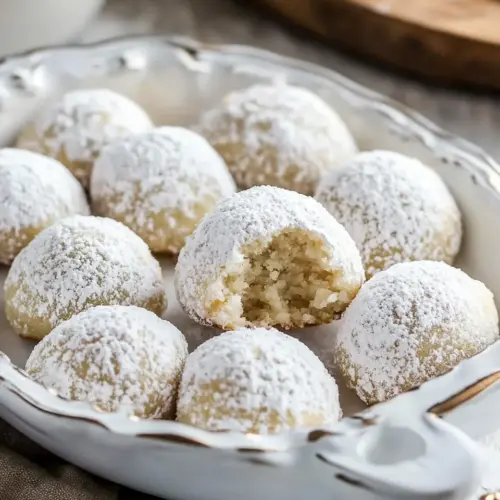
Paleo Russian Tea Cakes
Paleo Russian Tea Cakes are tender, nut forward cookies with a buttery bite and delicate powdered coating. These almond flour based cookies are slightly crisp at the edges, soft inside, and perfect for easy gatherings or gifting. Enjoy a naturally sweetened, comforting cookie that still feels indulgent, ideal for an easy weeknight treat or holiday tin.
Equipment
- Stand mixer
- Mixing Bowl
- Baking Sheet
- Parchment Paper
Ingredients
- 1 cup 2 sticks grass-fed butter, softened Softened and rich, provides the tender crumb and buttery mouthfeel that forms the base of the dough; helps bind dry ingredients and carries flavor throughout the cookies.
- 1/4 cup pure maple syrup Sweetening and moistening agent that adds caramel-like depth while keeping the recipe Paleo-compliant; contributes to a slightly softer texture compared with granulated sugars.
- 1 tsp pure vanilla extract Aromatic flavor booster that enhances overall sweetness and rounds out the buttery and nutty notes; adds warm vanilla complexity without additional moisture.
- 3 1/2 cups superfine almond flour Fine and tender flour substitute that gives structure and a delicate, melt-in-your-mouth texture; contributes nutty flavor and helps absorb fats from the butter.
- 1/2 cup tapioca flour Light, starchy flour that improves dough cohesion and creates a slightly crisp exterior; helps mimic the texture typically provided by wheat flour.
- 2/3 cup raw walnuts finely chopped Crunchy chopped nuts adding texture contrast and toasty flavor; disperses throughout the dough to provide bite and richness.
- 1/4 tsp sea salt Flavor enhancer that balances sweetness and brightens other flavors; a small amount prevents the cookies from tasting flat.
- 1/3 cup sugar-free confectioners sugar or maple sugar Finishing dusting that provides a sweet coating and visual appeal; sugar-free option keeps the recipe lower in sugar while maple sugar adds a rustic sweetness.
Instructions
- Add all ingredients for the tea cakes to a stand mixer, and beat on medium speed until well-combined. Refrigerate cookie dough for 2 hours.: You will notice the bowl filling with a creamy, pale mixture with flecks of chopped walnuts , and a soft, slightly glossy texture from the butter and pure maple syrup . The sound is a steady, smooth whir, not a frantic clatter, which tells you the mixer speed is right. This stage matters because it evenly distributes the fat and sweetener, which creates the uniform crumb you want. A common mistake is overmixing, which can warm the butter and make the dough too loose, so stop as soon as the mixture looks homogeneous.
- Form balls out of the cookie dough, about 1 to 1.5 inches in diameter and place on a parchment-lined baking sheet. Place tray of dough balls in the freezer and freeze for 15 minutes.: After mixing, the dough will feel soft and pliable but slightly sticky to the touch. Placing it in the refrigerator firms the butter and lets the flours hydrate, resulting in improved shaping and less spread while baking. The chill also concentrates the flavors, so when you remove the dough it should be noticeably firmer and easier to handle. Avoid skipping this step, as the cookies may flatten and lose their tender interior if baked warm.
- When you’re ready to bake, preheat the oven to 350 degrees F.: Rolling the dough into small, uniform spheres creates consistent baking and even browning. You should feel a cool, cohesive dough that holds shape, and the surface will be smooth rather than cracked. Place them spaced apart so hot air can circulate. If the dough sticks to your hands, chill it briefly or dust with a little tapioca flour; sticky dough can lead to misshapen cookies.
- Add the sweetener of choice (for rolling) in a bowl and roll each ball of dough in the sweetener. Place the balls back onto the parchment-lined baking sheet. Bake 12 to 15 minutes, just until cookies begin turning slightly golden-brown.: A short freeze firms the exterior so the cookies retain their round shape and develop a tender interior as they bake. You will notice the outside becoming cold and slightly stiff to the touch. This step is important because it prevents excessive spreading and encourages a gentle rise. If you skip the quick freeze, expect wider, flatter cookies with less delicate texture.
- When you’re ready to bake, preheat the oven to 350 degrees F: The oven should be fully heated so the cookies start setting immediately and form a slight crust at the edges. As the oven warms you may smell a faint, toasty sweetness as any residual moisture evaporates from the tray. Proper oven temperature keeps interiors tender while producing light golden edges. A common pitfall is under preheating, which leads to chewy, undercooked middles.
- Add the sweetener of choice for rolling in a bowl and roll each ball of dough in the sweetener: When you roll the chilled balls in the coating, you will feel the contrast between the cold dough and the soft powder, which clings to the surface. This coating creates the signature snowy appearance and a subtle sweet touch on each bite. If the sweetener clumps or won’t adhere, the cookies might be too warm; a brief chill will fix that. Ensure even coating so every cookie looks and tastes consistent.
- Place the balls back onto the parchment lined baking sheet: Arrange the coated balls with enough space for air circulation. The parchment will prevent sticking and allow gentle browning without burning the bottoms. You should notice the coating sits atop the dough like a soft blanket, and it will slightly matte as it bakes. Crowding the tray will create uneven baking, so use multiple sheets if needed.
- Bake 12 to 15 minutes, just until cookies begin turning slightly golden brown: During baking you will see the edges take on a pale golden hue and the aroma will shift toward toasty, buttery notes. The tops may develop tiny fissures that give the cookies their rustic look. Remove them when the edges are set but the centers remain tender, as residual heat will continue to firm the cookies as they cool. A common error is overbaking; this dries them out and removes the melt in your mouth texture you want.
Notes
- Measure accurately: Weighing the almond flour or spooning it into the cup prevents a dense cookie caused by packing too much flour into the scoop.
- Room temperature butter: Softened butter blends easiest, giving a smoother dough; avoid melting it into liquid which can cause spreading.
- Prefer superfine almond flour: The fine texture yields a delicate crumb; coarse meal leads to gritty or crumbly cookies.
- Chill times matter: Refrigerate the dough for the full two hours and freeze formed balls briefly to ensure the cookies hold shape during baking.
- Use parchment paper: It prevents sticking and helps bottoms bake evenly without burning or over browning.
- Cool completely before storing: Allow cookies to cool on the sheet for a few minutes, then transfer to a rack to finish; storing while warm can cause the coating to soften.