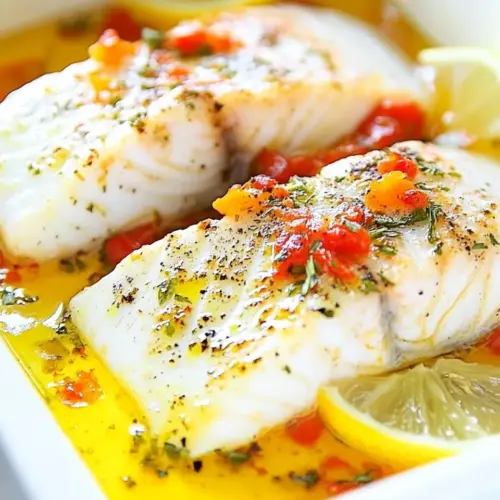
Oven Roasted Mahi Mahi
Oven Roasted Mahi Mahi brings flaky, tender mahi mahi together with roasted grape tomatoes and crisp asparagus for a bright, easy weeknight dinner. Zesty lemon, pungent garlic, and fragrant thyme create a balanced plate with minimal fuss. Quick to prepare and full of fresh flavors, this is a reliable recipe to make when you want a light but satisfying meal.
Equipment
- Baking Sheet
- Parchment Paper
- Knife
- Citrus Juicer
Ingredients
- 4 tablespoons olive oil Drizzle and coat the fish and vegetables to promote even roasting and prevent sticking; contributes a rich, fruity flavor and helps carry aromatics throughout the dish.
- 2 lb mahi mahi fillets about 5 fillets 5-6 ounces each, fresh or thawed if frozen Provide delicate, firm fillets that serve as the main protein; use fresh or fully thawed pieces so they cook evenly without excess water releasing into the pan.
- 1 lemon Squeeze and brighten the finished dish with fresh acidity; juice balances richness and enhances the natural flavors of seafood when added just before serving.
- 2 tablespoons grated lemon zest Grate and scatter over the fish and vegetables to add concentrated citrus oils and bright fragrance; lemon zest intensifies lemon flavor without adding extra acidity.
- 8 garlic cloves minced Mince and distribute pungent aromatic compound to build savory depth and infuse the oil; gently roasting garlic mellows its bite and sweetens when cooked.
- salt and pepper to taste Season and enhance natural flavors while providing balance; adjust to taste to bring out the fish, tomatoes, and asparagus without overpowering them.
- 1 cup grape tomatoes Scatter and roast until blistered to contribute sweet, juicy pops of concentrated tomato flavor and pleasant acidity; they add color and texture contrast to the plate.
- 2 lb fresh thin asparagus Trim and arrange alongside the fish for a tender-crisp vegetable component; thin spears roast quickly and absorb seasonings, adding a grassy, slightly sweet note.
- fresh thyme Sprinkle and infuse subtle herbal aroma during roasting or as a finishing garnish; fresh thyme lends savory, lemony undertones that complement seafood and vegetables.
- crumbled feta optional Crumble and finish the dish for a salty, tangy creamy element if desired; feta adds contrast in texture and a bright savory note when sprinkled over warm fish and veggies.
Instructions
- Preheat an oven to 400°F.: The moment the oven begins to warm you will notice a faint dry heat in the kitchen, which sets up reliable browning on the fish surface. Preheating ensures the cooking environment is consistent so the outside caramelizes while the inside cooks gently. One common mistake is placing the fish in a cold oven, which leads to uneven cooking and soggy texture; always allow the oven to reach temperature before inserting pans. You should smell the faint warm scent of the oven cavity and feel steady heat when you open the door, a good sign it is ready.
- Lay the bottom of a baking sheet pan with parchment paper and brush with one tablespoon of olive oil, then add the fish fillets to the pan.: When the parchment is oiled, it creates a slick surface that helps prevent sticking and promotes even contact so the fillets brown uniformly. The oil also catches juices so the fish roasts instead of steaming. A frequent error is overcrowding the pan, which traps steam and prevents crisping; leave space between fillets. Visually the fish should sit slightly separated, and when you nudge a fillet it should glide a little on the oiled paper.
- Brush the fish fillets with the two tablespoons of olive oil, rub in the lemon zest and garlic, then squeeze the juice from one lemon over the fish fillets. Season with sea salt and fresh ground pepper.: Rubbing the lemon zest and garlic into the flesh distributes flavor and releases aromatic oils while the lemon juice adds tang and helps the seasonings cling. You will smell bright citrus and warming garlic, and the fillets will glisten from the oil. Avoid over-salting; it is easier to add a pinch after roasting than to fix an overly salty fillet. If the garlic begins to brown too quickly during roasting it can taste bitter, so mince evenly and spread it thinly across the fillets.
- Toss the grape tomatoes in one tablespoon of olive oil, and a pinch of salt and pepper and add them to the pan between the fish fillets.: As the tomatoes roast they will soften and crack, releasing sweet juices that mingle with the fish. The olive oil helps them blister and caramelize, creating a contrast to the tender fish. A typical misstep is using too many tomatoes in a crowded cluster, which steams them instead of roasting; space them lightly to encourage browning. You should hear a gentle pop as some tomatoes burst and smell a concentrated tomato sweetness as they cook.
- Top fish fillets with fresh thyme and roast until the fish fillets are just opaque in the center, about 10-15 minutes, depends how thick are the fillets.: The oven will create a subtle sizzle, and an herbaceous perfume from the thyme will rise as the oils volatilize. You will see the edges become slightly golden while the center turns evenly opaque. The reason this timing matters is that overcooking dries the fish, while undercooking keeps it too translucent and raw in texture. A common error is relying solely on time; instead check the fillet by gently flaking with a fork to ensure it separates easily into moist flakes. Thicker fillets may need the full window, while thinner ones finish sooner.
- Snap off the woody ends of the asparagus and discard.: Snapping asparagus reveals the natural breaking point between tender stalk and tough, fibrous end, which improves texture when roasted. You will feel a clean break and notice the fresh green section ready to cook while the discarded ends are pale and fibrous. People sometimes try to trim too little, leaving chewy bits; be decisive and remove the woody portion. The trimmed stalks should look vibrant and uniform in length for even roasting.
- In another baking sheet pan, add the asparagus, drizzle with olive oil, juice of half lemon, sea salt and pepper. Toss the asparagus to evenly coat with oil.: Coating the asparagus with oil and lemon ensures each stalk roasts evenly and gains a bright lift from the citrus. You will hear a soft rustle as you toss, and see a glossy sheen on the spears. Neglecting to toss leads to dry spots and uneven seasoning, so distribute the oil and salt thoroughly. Properly coated asparagus will glisten and hold a light sheen of dressing.
- Roast on the top rack of the oven for just 10-15 minutes for a mildly cooked asparagus.: Roasting on the top rack allows the asparagus to cook quickly and develop a slight char while staying crisp tender. The spears will make a gentle sizzling sound and you will smell a toasty green aroma as sugars caramelize. Overroasting results in limp, lifeless asparagus, so watch for a bright green color and slight browning at tips. Test a spear for a snap to confirm it is done to your preference.
- Remove fish from oven, discard the thyme sprigs and top with fresh thyme sprigs.: After pulling the fish you will notice a warm herb steam as you lift off the used sprigs; replacing them with fresh sprigs refreshes the aroma and keeps the herb from becoming bitter. The flesh should flake easily and feel moist to the touch. A mistake is leaving the cooked sprigs in place, which can deliver an overly woodsy flavor; swap them for fresh sprigs for brightness. The final plate will smell herbal and clean when done correctly.
- Serve immediately with the roasted tomatoes and asparagus topped with feta crumbs and lemon wedges.: Serving right away preserves the contrast of textures, the warmth of the fish, and the bright pop of the tomatoes. The optional crumbled feta brings a savory tang that contrasts the citrus, and lemon wedges let diners adjust acidity to taste. Holding the dish too long allows steam to soften the asparagus and dull the tomato pop, so plate promptly. Your guests will enjoy the layered aromas as you present the dish and the juices mingling on the plate.
Notes
- Oil choice: Use extra virgin olive oil for its aroma, but any neutral oil will work if you prefer a lighter flavor.
- Fish thickness: If fillets are thicker, allow a few extra minutes of roast time and check for flakiness to ensure doneness without drying.
- Tomato swap: If you do not have grape tomatoes, halved cherry tomatoes or small plum tomatoes behave similarly when roasted.
- Asparagus timing: Thin asparagus needs less time; keep an eye on color and snap to avoid limp spears.
- Feta finish: Add crumbled feta sparingly at the end so its saltiness complements the fish rather than overpowering it.
- Garlic distribution: Mince garlic finely and spread across fillets so it roasts evenly, preventing burnt bits that taste bitter.