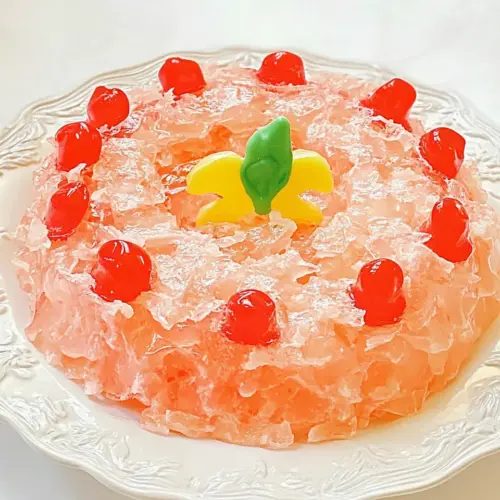
Orange Fluff Jello Salad
Orange Fluff Jello Salad is a creamy, airy classic that layers whipped heavy cream with cottage cheese and bright mandarin oranges for a light, fruity dessert or side. This easy to make, make ahead salad offers soft texture contrasts and citrusy flavor, perfect for potlucks and family gatherings. Try it for an effortless, nostalgic dish that always disappears quickly.
Equipment
- Large Bowl
- Chilled bowl
- Whisk or Electric Mixer
- Jello mold or serving bowl
- Spatula
Ingredients
- 16 ounces small-curd cottage cheese Provides a creamy, slightly tangy base that balances the dessert’s sweetness and adds body; small curds create pleasant texture contrasts when folded with other components.
- 1 large package (6 ounces) orange jello Adds bright citrus flavor and sets the salad into a gelled structure; dissolves in hot water to form a sweet, orange-flavored binder that helps hold the mixture together.
- 2 cups heavy cream Contributes rich creaminess and lightness when whipped or folded, lending a smooth mouthfeel and increasing volume for a fluffier texture.
- 1 can (11 ounces) mandarin oranges drained Offers bursts of juicy, sweet citrus flavor and soft texture; drained mandarin segments add natural sweetness and visual appeal without excess liquid.
- 1 can (8 ounces) crushed pineapple drained Delivers tropical sweetness and tender fruit pieces while providing moisture and mild acidity; drained crushed pineapple complements the orange flavor and prevents the salad from becoming dry.
Instructions
- In a large bowl, mix the cottage cheese with the Jell-O powder.: The first sensory cue here is the dry, powdery orange aroma as the gelatin hits the cooler, slightly lumpy surface of the cottage cheese . Use a sturdy spoon to fold the powder into the curds so the color and flavor disperse evenly. You may notice the mixture looks grainy at first, but continued gentle stirring will hydrate the powder and smooth the texture. This step matters because it ensures the gelatin is evenly distributed, preventing pockets of strong flavor or uneven setting later on. A common mistake is adding undissolved powder directly to wet ingredients without mixing, which can create gritty bits. If you encounter clumps, press them against the bowl with the back of the spoon to work them in and keep stirring until uniform.
- In a separate chilled bowl, whip the cream until stiff peaks form.: As you whip the chilled heavy cream , you will hear the soft shushing of the whisk and see the cream thicken into glossy peaks that hold their shape. The visual cue is key, stop whipping at firm, standing peaks so the cream provides structure without turning grainy. Temperature matters here, cold cream whips faster and produces more stable volume, so I often chill the bowl beforehand. This aeration is essential to create the salad's light mouthfeel. Over whipping can cause the cream to break and separate into butter and buttermilk, so watch closely, and stop as soon as the peaks stand tall.
- Fold the whipped cream into the gelatin mixture along with the oranges and pineapple.: At this stage you will feel the cool smoothness of the whipped cream meeting the denser cottage cheese mixture, and you will see bright flecks of mandarin oranges and pineapple appear as you fold. Use a gentle folding motion to preserve air and keep fruit pieces intact. This technique matters because vigorous stirring deflates the cream and yields a denser salad. A typical pitfall is overmixing, which kills the lift; instead, fold until you have a marbled, uniform color and no large streaks of cream. If fruit breaks down too much, the salad can become watery, so be gentle and deliberate.
- Spoon the mixture into a Jello mold that has been rinsed in cold water.: As you transfer the mixture, you'll notice its pliable, mousse like consistency sliding smoothly into the mold, the pale orange hue settling evenly. Rinsing the mold with cold water creates a thin film that aids in unmolding later, while also cooling the mold so the mixture sets more evenly against the sides. Filling the mold evenly helps the salad release cleanly and present attractively. A common error is packing the mixture too tightly, which can trap air pockets; instead, spoon gently and smooth the top with a spatula for an even finish.
- Let it stand in refrigerator until set, at least six hours or preferably overnight.: During refrigeration the air and gelatin firm up, and visually you will see the salad take on a glossy, stable surface. The scent will mellow and the components will marry into a cohesive flavor. Chilling for the recommended time ensures the center is fully set and slices cleanly when unmolded. If rushed and removed too soon, the center may wobble or collapse, so patience pays off here. Avoid opening the door frequently to keep the temperature steady and prevent condensation from forming on the surface.
- Unmold onto a serving dish lined with lettuce leaves and decorate with cherries.: When the mold releases, the salad presents with a smooth exterior and colorful fruit pockets. Run a thin knife around the edge if needed, then invert onto a chilled serving plate. The cool, slightly slippery feel as the salad slides out is satisfying, and the visual pop of cherries adds a classic finishing touch. Lining the plate with lettuce offers contrast and helps stabilize the salad for serving. A frequent mistake is attempting to unmold without loosening edges first, which can tear or deform the salad; a quick warm cloth around the mold base for a few seconds can help if it sticks.
Notes
- Chill your tools before whipping cream, it makes a dramatic difference in peak stability and volume, ensuring the salad stays light and airy.
- Drain fruit thoroughly to prevent diluting the gelatin set, I recommend patting pieces dry on paper towel after draining to remove excess syrup.
- Use a gentle folding motion when combining components so you preserve air and avoid a dense final texture, this keeps the salad fluffy.
- Prep a day ahead and refrigerate overnight for the best flavor marriage and a firm set that slices cleanly for serving.
- Rinse your mold with cold water before filling, this thin film helps the salad release cleanly and improves appearance when unmolded.