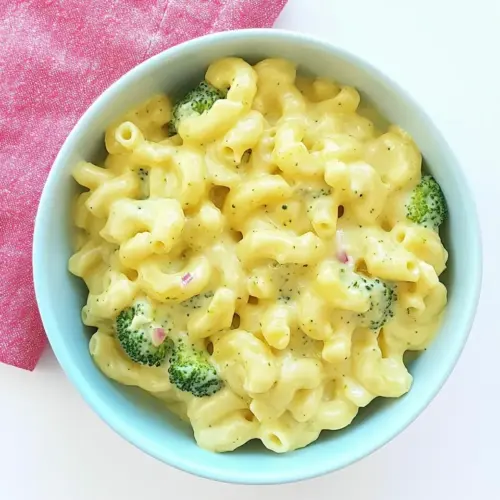
One Pot Broccoli Mac and Cheese
One Pot Broccoli Mac and Cheese is a creamy, comforting, and easy weeknight dinner that blends tender pasta, bright broccoli, and melty cheddar cheese. This single pot method cuts cleanup and delivers a rich, silky sauce with minimal fuss, perfect for busy evenings or simple family meals. You will love how quickly it comes together and how satisfying each cheesy bite feels.
Equipment
- Calphalon 5-Quart Pot
- Storage Containers
Ingredients
- 2 cups milk (I use whole milk) Use to create a rich, creamy base for the sauce; whole milk adds body and helps dissolve cheeses for a smooth texture. Heat gently to avoid scorching while it combines with butter and cream cheese to form a cohesive mac and cheese. Choose milk with higher fat for the creamiest result and a silkier mouthfeel.
- 1 1/2 cups reduced sodium chicken or vegetable broth (or water) Provide savory depth and seasoning while contributing liquid for cooking the pasta in one pot; reduced sodium chicken or vegetable broth keeps salt levels controlled. Add at the start so pasta absorbs flavor as it cooks, or substitute water if keeping recipe vegetarian or neutral-tasting. Monitor liquid levels and adjust as needed to achieve the desired sauce thickness.
- 8 ounces elbow or mini shell pasta Cook until tender in the simmering liquid to form the bulk of the dish; elbow or mini shell pasta captures sauce and creates a classic texture. Add directly to the pot so it cooks evenly and releases starches, which help thicken the sauce naturally. Choose the shape based on preference for sauce retention and mouthfeel.
- 1/2 teaspoon salt Season the cooking liquid to enhance overall flavor and balance the richness of the cheese; salt also helps the pasta absorb flavor while it cooks. Sprinkle in early so it distributes evenly throughout the pot, but adjust to taste at the end after cheese is added. Use measured amounts first, then fine-tune to avoid over-salting.
- 10 ounces frozen broccoli (I use the steam-in-the-bag kind) Introduce vegetable nutrition and a pop of color while steaming directly in the pot; frozen broccoli cooks quickly and blends well with pasta. Add during the last few minutes of pasta cooking so it becomes tender without turning mushy, and the steam-in-the-bag type speeds preparation. Cut larger florets if needed so pieces are bite-sized and mix evenly with the cheese.
- 1 cup shredded cheddar cheese (feel free to double this!) Melt into the warm milk and broth to form the cheesy sauce; shredded cheddar provides classic sharp flavor and creaminess. Add gradually off heat to prevent graininess, stirring until fully incorporated for a smooth consistency. Use more if a stronger cheese presence is desired or to thicken the sauce further.
- 1 tablespoon unsalted butter Enrich the sauce with a silky mouthfeel and help emulsify the dairy components; unsalted butter contributes richness without increasing salt levels. Melt early with the milk and broth so it blends evenly and assists in preventing separation when cheese is added. Use measured amount to control fat content and overall richness.
- 1 tablespoon cream cheese Add tangy creaminess and help stabilize the sauce; cream cheese increases body and prevents the sauce from becoming too thin. Soften and stir in until fully melted for a smoother, creamier texture that clings to the pasta. Use at the end of cooking to enhance richness without overpowering the cheese flavor.
- 1/4 teaspoon onion powder (optional) Enhance savory complexity and mimic mild onion flavor without adding fresh aromatics; onion powder lends gentle sweetness and depth. Sprinkle in small amounts and taste as you go to avoid overwhelming the primary cheese and broccoli flavors. Use optionally to round out the seasoning profile if desired.
Instructions
- Add the broth and milk to a large pot set over high heat. Bring just to a boil, then reduce to medium-high.: The first aromas you notice will be warm and savory as the broth and milk combine, and a faint steam will rise from the pot. You want the liquid hot enough to dance with small bubbles at the edges, not a furious rolling boil, because intense boiling can make the milk scald and separate. The visual cue to watch for is small steady bubbles and a thin veil of steam, that tells you it is time to reduce the heat to maintain control. If the surface begins to foam aggressively, lower the heat immediately to prevent scorching. A common mistake here is walking away, which risks boiled over liquid or scorched dairy, so stay nearby until you lower the temperature.
- Stir in the pasta and salt, and simmer for 10-12 minutes, stirring occasionally or until the pasta is just soft. (The liquid will not be totally absorbed and that is okay—it will be by the end of the process!): As you add the pasta , you will hear a gentle simmer deepen into a soft bubbling sound. Stirring occasionally prevents the pasta from clumping and encourages even hydration. Watch the edges of the pot for reduced liquid and test a piece of pasta for tenderness; it should be slightly firmer than you want, since it will finish absorbing sauce later. The pasta will look plump and the surface will shine when it is nearly done. Overcooking at this stage can turn the pasta gummy once the sauce finishes, so avoid extended simmering without checking.
- Meanwhile, steam the broccoli in the bag (or steam it on the stovetop if using fresh broccoli). Drain the broccoli and cut it up roughly with kitchen scissors.: While the pasta softens, steam the broccoli to preserve its bright color and slightly crisp texture. Steaming in the bag keeps things easy, and you will see a vibrant green color emerge, with a faint vegetal aroma that signals tenderness. If using fresh broccoli , time it so it is just tender when pierced with a fork but not floppy. Drain thoroughly to prevent excess water from diluting the sauce, then chop into bite sized pieces with scissors or a knife. A common pitfall is adding wet broccoli to the pot, which can thin the sauce and cool the mixture too much, so ensure it is well drained.
- Turn the heat off and stir the cheese, broccoli, butter, cream cheese, and salt into the pasta mixture. Taste and season with additional salt as needed. Serve.: Once the pot is off the heat, you will feel the residual warmth melt the cheese and cream cheese into a glossy, clinging sauce. Stirring at this stage enhances smoothness and prevents the cheese from seizing up. The aroma shifts to a rich, dairy forward note with green freshness from the broccoli . If the mixture seems slightly loose, letting it sit a minute or two off heat allows the sauce to thicken naturally as the pasta absorbs more liquid. A mistake to avoid is returning the pot to high heat to melt the cheese, which can make it grainy; gentle residual warmth is all you need.
- Taste and season with additional salt as needed. Serve: This final moment is all about balance. Sampling a small spoonful will reveal whether the dish needs a little extra salt to bring forward the cheesy notes or if it is already well rounded. The temperature should be comforting warm, with the cheese coating each piece and the broccoli offering brief pops of texture. Serve straight from the pot for an easy family style meal. Avoid over seasoning at this point, since the flavors concentrate slightly as the dish rests; add small increments, taste, and adjust patiently.
Notes
- Double the cheese for extra creaminess, if you love a richer sauce, increase the cheddar cheese to two cups and stir in a touch more cream cheese for silkiness. This will heighten the savory profile and make leftovers even more indulgent. Be mindful of salt since the extra cheese amplifies it.
- Adjust pasta amount cautiously, the recipe was tested with eight ounces of pasta and cooks reliably. If you increase the pasta, you will likely need proportionally more liquid and seasoning to ensure even cooking and flavor balance.
- Use steam in bag frozen broccoli to save time, it keeps cleanup minimal and yields bright green florets. If you prefer fresh, steam separately and add when hot so the final texture remains vibrant.
- Control salt at the end, because the cheese and broth contribute sodium, taste before adjusting. Incremental seasoning prevents over salting and preserves the dish's balance.
- Warm leftovers gently, reheat in the microwave in short bursts, stirring between intervals to keep the sauce smooth. If the texture tightens, stir in a splash of milk before reheating to loosen it.