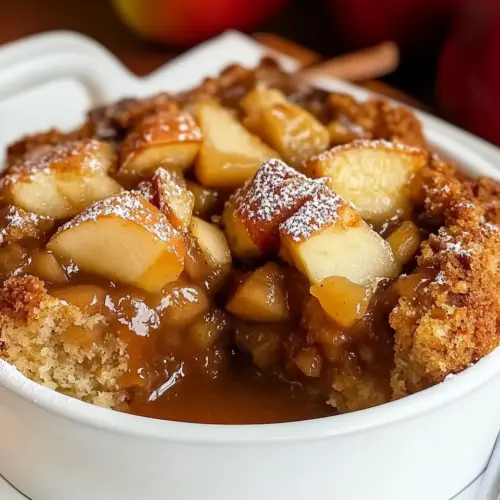
Old Fashioned Warm Apple Cake
Old Fashioned Warm Apple Cake is a cozy, spiced apple dessert with a tender crumb and a glossy brown sugar sauce. This easy to share cake offers warm cinnamon notes, juicy fruit pockets, and a buttery toffee like drizzle, perfect for an easy weeknight dessert or a festive holiday offering. Make it for family gatherings to deliver nostalgic comfort and irresistible aroma.
Equipment
- 13 by 8 inch baking dish
- Stand mixer with paddle attachment
- Mixing Bowls
- Medium Saucepan
Ingredients
- 2 cups (284 g) all-purpose flour Provide a light, tender crumb and structure to the cake while balancing moisture; use measured spooning and leveling for consistent results and avoid overmixing to prevent toughness.
- 1 tsp baking powder Leaven the batter gently by producing tiny gas bubbles and lift; ensure even distribution through sifting or whisking into the dry ingredients for uniform rise.
- 1/2 tsp baking soda React with acidic components to create additional lift and a fine crumb; dissolve evenly into the dry mix to avoid metallic pockets and ensure proper chemical reaction.
- 3/4 tsp sea salt or table salt Enhance overall flavor and balance sweetness while intensifying the spices; measure carefully to avoid an overly salty taste that would mask delicate apple notes.
- 2 tsp ground cinnamon Add warm, aromatic sweetness that complements apples and creates a cozy profile; blend thoroughly with the dry ingredients for even flavor throughout the cake.
- 1/2 tsp ground nutmeg Introduce a sweet, slightly floral warmth that deepens the autumnal spice mix; use sparingly to avoid overpowering the cinnamon and apple flavors.
- 1/4 tsp ground cloves Deliver a sharp, pungent accent that brightens the spice blend and heightens complexity; incorporate in small quantity for a balanced vintage spice character.
- 4 cups (468 g) peeled, cored and 1/4-inch diced apples Contribute tender, juicy texture and fresh apple flavor while providing moisture and body; peel, core, and uniformly dice to ensure even distribution during baking.
- 1 tbsp fresh lemon juice Prevent oxidation and add a faint bright acidity to the apples; toss diced apples with the juice immediately to maintain color and subtle tang.
- 1 cup (210 g) granulated sugar Sweeten the batter and promote browning and structure through caramelization; cream with butter or incorporate evenly to dissolve granules for a smooth texture.
- 1/4 cup (58 g) packed light-brown sugar Provide deep, caramel-like sweetness and molasses complexity while adding moisture; pack lightly when measuring and combine thoroughly with other sugars or wet ingredients.
- 1/2 cup (113 g) unsalted butter, softened Incorporate richness, flavor, and tenderizing fat to the cake; soften to room temperature for proper creaming and even incorporation with sugars.
- 2 large eggs Bind ingredients, add moisture, and contribute to structure and richness; bring eggs to room temperature for better emulsification and smoother batter.
- 1/2 cup chopped pecans, for topping (optional) Add crunchy texture and nutty flavor as an optional topping that enhances bite; toast lightly for extra aroma and scatter evenly over the batter if desired.
- 1/2 cup (113 g) unsalted butter, diced into 1 Tbsp pieces Supply additional butter for a sweet sauce or streusel-like topping; dice into pieces for even melting and distribution when creating a caramel or topping layer.
- 1 cup (220 g) packed light-brown sugar Create a sticky, caramelized topping or sauce with deep molasses notes; pack firmly when measuring and combine with butter during cooking for glossy texture.
- 1/4 cup milk Thin sauces or batters and adjust consistency while adding subtle richness; use at room temperature to avoid shocking melted butter or altering texture.
- 1/4 tsp fine sea salt or table salt Brighten and balance sweetness in sauces or toppings with a touch of salt; dissolve into warm mixtures to evenly enhance overall flavor without creating salty spots.
- 1/2 tsp vanilla extract Amplify and round out sweetness with warm floral vanilla notes; add near the end of mixing to preserve aroma and avoid volatilization during prolonged heat.
Instructions
- For the apple cake: Preheat oven to 350 degrees. Spray a 13 by 8-inch baking dish with non-stick cooking spray.: Preheat oven to 350 degrees. Spray a 13 by 8-inch baking dish with non-stick cooking spray. : You will first notice the kitchen warming as the oven approaches 350 degrees , a steady, even heat that ensures the cake puffs and sets properly. The air smells faintly warm and dry, which helps the top form a light crust. Greasing the pan prevents sticking and promotes clean slices when serving. If you skip preheating, the batter may bake unevenly and produce a dense center. A common mistake is placing the pan in before the oven reaches temperature, which changes bake time and texture. Make sure the rack is centered so heat circulates evenly, and wipe any excess spray from the top rim so you don’t get smoking or burning scents during baking.
- In a medium mixing bowl whisk together flour, baking powder, baking soda, salt, cinnamon, nutmeg and cloves for 20 seconds, set aside. In a separate medium mixing bowl toss apple cubes with lemon juice, set aside.: After whisking, you should see a uniformly colored dry mix with specks of spices evenly dispersed, which guarantees even flavor. Tossing the diced apples with lemon juice keeps them bright and prevents oxidation, and the citrus adds a subtle lift to the final taste. The sound here is the gentle clink of metal against the bowl and the soft patter when you stir. Avoid overwhisking the dry mix into a powder, and don't let the apples sit too long or they will weep excess juice. If your apples start releasing a lot of liquid, gently blot them to avoid watering down the batter.
- In the bowl of an electric stand mixer fitted with the paddle attachment whip together granulated sugar, brown sugar, and butter until pale and fluffy.: As you cream the sugars with softened butter , watch the mixture change from grainy to smooth, and lighten in color to a pale, airy mass. This step traps small air bubbles that contribute to a tender crumb, and you may hear a steady whir from the mixer as it works. A common pitfall is using cold butter , which will leave lumps and prevent proper aeration. If your bowl shows streaks of unincorporated butter , stop and scrape down the sides, then continue until uniform.
- Mix in eggs one at a time. With mixer set on low speed slowly add in flour mixture and mix just until combined (batter will be really thick).: When adding the eggs, you will notice the mixture become silkier and more cohesive, with a gentle sheen. Adding them one by one helps maintain the emulsion so the cake stays tender. Incorporating the dry mix on low avoids overdevelopment of gluten, which keeps the texture soft. If you overmix, the batter can become elastic and dense. Watch the batter closely; it should look thick and slightly lumpy, not runny. If it seems too dry, check your measurements rather than adding more liquid, which can upset texture balance.
- Add apples and mix just until combined (batter will still be thick). Pour batter into prepared baking dish and spread into an even layer.: Folding in the diced apples introduces moist fruit pockets that will steam slightly during baking, creating tender notes and small gaps in the crumb that feel delicious. You should see juicy flecks and bits of apple distributed through the batter. Use a spatula to spread the dense batter evenly, tapping the pan gently to level it and release any trapped air. A common error is to pile batter unevenly, which causes lopsided baking; smooth it carefully for a consistent rise. If your apples release much juice into the batter, blot a bit before adding to prevent excessive moisture.
- Bake in preheated oven until toothpick inserted into center comes out free of batter (a moist crumb is fine), about 33 - 38 minutes (prepare topping around last 5 - 10 minutes of baking so they'll both be served warm).: As the cake bakes, you will see the top turn golden and smell the spices blooming into the air. The edges will pull away slightly from the pan, and a toothpick should come out with moist crumbs but without raw batter, indicating doneness. Listen for a soft settling sound as steam releases, and avoid opening the oven too often which can lower the temperature and extend baking time. A common misstep is relying on a strictly dry toothpick rule; for fruit cakes, a moist crumb is acceptable. Start checking around 33 minutes so you don't overbake and dry out the cake.
- Let cool about 5 minutes then cut into squares and serve warm topping each slice with sauce and optional pecans.: The cake will emit steam and a rich aroma when you remove it, and a short rest helps the structure set while keeping the interior warm. When you slice, the knife should glide through with minimal tearing, revealing pockets of tender apple . Spoon the warm sauce over each square so it absorbs into the crumb and creates glossy streaks. A common mistake is cutting while too hot, which can make pieces collapse; five minutes balances warmth and stability. If adding chopped pecans , sprinkle them right before serving so they retain crunch.
- For the sauce: In a medium saucepan combine butter, brown sugar, milk and salt (you can add a little extra if you like more of a salted caramel/toffee flavor).: In a medium saucepan combine butter, brown sugar, milk and salt (you can add a little extra if you like more of a salted caramel/toffee flavor). : As the butter melts with the brown sugar, the mixture will smell rich and toasty, and the grains dissolve into a glossy mass. Use medium heat to gently coax the components together so the sauce becomes smooth. Stirring helps prevent the sugar from clinging to the pan and burning. A common error is overheating, which leads to a grainy texture or scorch marks; keep the heat moderate and steady.
- Bring mixture to a boil over medium heat, stirring occasionally. Allow to boil 1 1/2 minutes, stirring occasionally.: When the sauce reaches a boil, tiny bubbles will appear and the aroma turns deeply caramel like. Boiling briefly cooks the sugar and slightly thickens the sauce, producing the right glossy consistency. Stirring prevents hot spots and keeps the sauce uniform. A mistake is boiling too long which can make it overly thick or cause crystallization. Time it carefully and remove from heat at the end of the one and a half minutes.
- Let sauce cool slightly. Serve warm over warm cake.: Cooling a bit ensures the sauce thickens to a spoonable texture that clings to the cake without running off. You will see the surface smooth and shine, and the scent will be a rich mix of brown sugar and butter . Pour gently and watch the sauce soak into the cake's crumb for the ideal bite. If the sauce gets too cool and crystallizes, reheat briefly and whisk to restore its shine. Avoid storing it uncovered or it will form a crust.
Notes
- Choose mixed apple varieties. Combining a tart apple like Granny Smith with a sweet variety keeps the flavor complex and prevents the cake from being cloyingly sweet.
- Soften butter correctly. Room temperature butter should give slightly when pressed, which helps it cream smoothly with sugar and trap air for a lighter crumb.
- Dice apples uniformly. Consistent 1 4 inch pieces ensure even baking and predictable moisture distribution throughout the cake.
- Don’t overwork the batter. Stir just until the dry ingredients disappear to avoid developing gluten, which would make the cake dense.
- Make the sauce last minute. Preparing the sauce in the final minutes keeps it warm and pourable so it soaks into the cake beautifully when served.
- Use a metal pan for crisp edges. A metal 13 by 8 inch pan browns the edges more reliably than glass, giving a pleasant textural contrast.