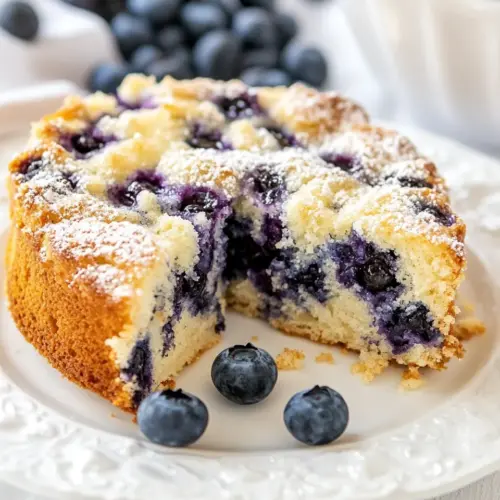
Old Fashioned Blueberry Cake
Old Fashioned Blueberry Cake is a tender, airy cake dotted with juicy blueberries and a crisp sugary top, offering a nostalgic, buttery aroma and light texture. This easy classic uses simple pantry staples and whipped egg whites for a soft crumb, perfect for brunch, afternoon tea, or dessert. Make it for an effortless crowd pleaser that tastes like summer and freezes beautifully for later.
Equipment
- 9-inch round pan or 9-inch square pan
- Mixing Bowls
- Electric Mixer
- Cooling rack
Ingredients
- 3/4 cup butter (unsalted, softened) Creamed to aerate and provide a rich, tender crumb while contributing buttery flavor and moisture to the cake batter.
- 3/4 cup sugar Granulated for sweetness and structure; helps tenderize the crumb and assists in browning during baking when creamed with butter.
- 1/2 teaspoons salt Added to balance flavor and enhance other ingredients; helps strengthen dough proteins and controls yeast activity in some recipes.
- 2 teaspoons vanilla extract Added for aromatic flavor; enhances the overall taste profile and complements the fruit without adding moisture.
- 3 large eggs (separated) Separated to use yolks for richness and fat, and whites for whipping to add lift and lightness to the cake when folded in.
- 2 1/4 cups all-purpose flour Sifted or measured to provide the bulk structure and gluten needed for the cake; balances absorption of liquids and leavening agents.
- 2 teaspoons baking powder Measured to provide chemical leavening, creating carbon dioxide that helps the batter rise and yields a lighter texture.
- 2/3 cup milk Warmed or room temperature to help dissolve sugar and blend smoothly into batter; contributes moisture and tenderness to the cake.
- 1/3 cup sugar Sprinkled for additional sweetness and a slight caramelized finish on top or within the batter when baked.
- 2 1/4 cups fresh blueberries Gently folded or tossed to provide bursts of fresh fruit flavor and moisture, adding a tender, juicy contrast in each bite.
- 1 1/2 tablespoons all-purpose flour Tossed with fruit to absorb excess juices and help prevent sinking; contributes minimal structure when coating berries.
- 1 1/2 tablespoons sugar Sprinkled over fruit to add a light sweet crust and slight textural contrast after baking.
Instructions
- Preheat to 350℉ (175℃). Grease a 9-inch round pan or a 9-inch square pan.: As the oven warms you will notice a faint warm air shift, and the preheated environment ensures the cake begins to rise immediately on contact with heat. Proper greasing prevents sticking and encourages even browning around the edges. A common mistake is underheating the oven, which slows rise and creates a dense crumb, so use an oven thermometer if yours runs cold or hot.
- Cream the 3/4 cup butter with the 3/4 cup sugar until fluffy. Mix in the salt and vanilla. Add the egg yolks to the sugar mixture and beat until creamy.: When creaming, you should see the mixture lighten in color and take on a slightly airy texture, the butter smelling rich and the sugar fine against the paddle. After adding the yolks , the batter becomes silkier and more cohesive, and the aroma of vanilla extract will bloom. If you skip sufficient creaming you lose trapped air, resulting in less lift, so be patient until you have a fluffy base.
- Combine 2 1/4 cups flour with the baking powder; add the flour mixture and the milk to egg yolk mixture and mix until well combined.: The dry ingredients should be whisked so the baking powder is evenly distributed, then added alternately with milk to maintain a smooth batter. Look for a cohesive, slightly thick batter that holds a soft ribbon when lifted. Overmixing at this stage will develop gluten and yield a tougher cake, so stop when dry streaks disappear.
- Coat berries with 1 1/2 tablespoons flour and fold into the batter.: Tossing the blueberries in a light dusting of flour keeps them suspended as they bake, and folding them gently prevents bruising. Visually you want a batter dotted with evenly coated berries, without purple streaks. If you stir too vigorously the berries will burst and bleed, turning the batter purple and creating dense wet pockets.
- In a separate bowl, beat the egg whites until soft peaks form. Add 1/3 cup of the sugar, 1 tablespoon at a time, and beat until stiff peaks form. Fold the egg whites into batter. Pour into the prepared pan. Sprinkle top with remaining 1 1/2 tablespoons sugar.: The whipped egg whites should look glossy and airy, and as you add the sugar they stabilize into firm peaks that hold shape. Folding them in preserves the trapped air, which is why the cake gains its delicate lift. Pouring into the pan you'll hear a soft thud as batter settles, and sprinkling extra sugar on top gives you that crisp, sugary crust. A frequent error is overfolding, which deflates the whites and yields a heavy texture.
- Bake for 50 minutes, or until cake tests done.: As the cake bakes you will smell a deepening butter and vanilla scent, and the top will turn a warm golden color with edges pulling slightly from the pan. A toothpick inserted into the center should come out with a few moist crumbs, not wet batter, indicating doneness. Opening the oven door repeatedly will drop the temperature and can cause sinking, so resist peeking often.
- Let the cake cool in the pan for 5 minutes then transfer it to a cooling rack to finish cooling. Dust with icing sugar if preferred and serve.: Resting briefly in the pan allows the crumb to set while still warm, and transferring to a rack prevents residual heat from steaming the base. Cooling releases the full aroma and firms the texture so slices hold cleanly. If you cut too soon the cake may crumble, which is the usual misstep here, so allow those few cooling minutes before slicing and serving.
Notes
- Room temperature ingredients: Bring your butter and eggs to room temperature before starting. This ensures the butter creams smoothly with the sugar, producing an aerated base that yields a lighter crumb. Cold ingredients will result in an uneven batter and a denser cake.
- Careful folding: When you fold the whipped egg whites into the batter, use a gentle motion and scrape the bowl to combine evenly. Overmixing will deflate the mixture and ruin the airy structure you worked to create, so stop as soon as the streaks disappear.
- Blueberry handling: Coat the blueberries in a little flour and fold them in at the end to prevent sinking and bleeding. If using frozen berries, thaw and pat them dry first, otherwise the extra moisture can thin the batter and create wet spots.
- Oven consistency: Use an oven thermometer to confirm your oven is at the correct 350℉ 175℃. Many home ovens run hot or cold and inaccurate temperatures affect rise and crumb. Adjust as needed to achieve a golden top without overbaking the interior.
- Sugar crust finish: Don’t skip sprinkling the extra sugar on top before baking. It creates a subtle crunchy crust that contrasts beautifully with the soft crumb, giving the cake a bakery style finish that elevates every slice.
- Cooling and storage: Let the cake cool in the pan for a few minutes then transfer to a rack. For longer storage, slice and wrap airtight, then freeze; it thaws well and stays moist, making it perfect for quick sweet emergencies.