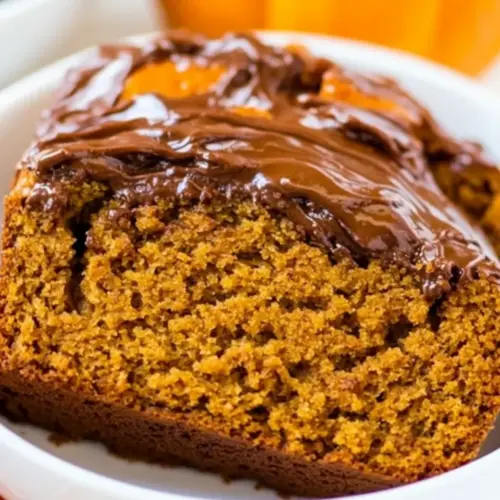
Nutella Pumpkin Bread
Nutella Pumpkin Bread delivers moist, spiced pumpkin loaf streaked with glossy hazelnut chocolate swirls. This easy, crowd pleasing loaf is rich yet tender, full of warm spices and indulgent pockets of Nutella, perfect for cozy breakfasts or casual gatherings. Make a batch for fall brunches or to share with neighbors, it promises comforting flavors everyone will ask for again.
Equipment
- 9×5-inch loaf pan
- Mixing Bowls
Ingredients
- 1 1/2 cups all-purpose flour Provide structure and bulk to the batter, creating the crumb and framework of the bread when combined with wet ingredients. Develops gluten lightly for tenderness; sift or spoon into measuring cup for accuracy to avoid dense texture.
- 1 1/4 cups sugar Sweeten the loaf and contribute to moistness and browning through caramelization during baking. Adjusts overall sweetness and helps tenderize the crumb by melting into the batter.
- 1 teaspoon baking powder Leaven the bread by releasing carbon dioxide when combined with wet ingredients, giving lift and a light texture. Ensure even distribution by whisking with dry ingredients before adding liquids.
- 3/4 teaspoons salt Enhance flavor balance by accentuating sweetness and suppressing bitterness while also slightly strengthening gluten formation and improving dough stability. Measure precisely because excess salt can inhibit yeast or chemical leavening effectiveness.
- 2 teaspoons cinnamon Add warm, aromatic spice notes that complement pumpkin and chocolate, deepening the flavor profile. Blend with other spices for an even spice distribution in the batter.
- 1/2 teaspoon ground cloves Provide a pungent, warm depth and a hint of sweetness that complements autumn spices and pumpkin. Use ground cloves sparingly to avoid overpowering other flavors.
- 1/2 teaspoon nutmeg Contribute sweet, nutty, and slightly woody spice characteristics that lift the pumpkin flavor and enrich the overall spice blend. Grate or use ground nutmeg measured accurately for balanced aroma.
- 1/4 teaspoon ground ginger Introduce bright, peppery spice notes that add complexity to the pumpkin spice mix and enhance overall aroma. Use a small amount to avoid masking more delicate spices.
- 2 large eggs Bind the ingredients together while adding moisture, structure, and richness; eggs also help with leavening and set the crumb as they coagulate during baking. Beat or whisk before adding to ensure even incorporation into the batter.
- 1 cup canned pumpkin Bring concentrated pumpkin flavor, moisture, and dense body to the loaf while contributing natural sweetness and color. Use canned pumpkin puree for consistent texture and measure by spooning into the cup.
- 1/2 cup vegetable oil Provide fat that contributes to tenderness, moistness, and richness while carrying flavor and improving shelf life by keeping the bread soft. Use room-temperature oil for easier mixing and uniform batter.
- 1/3 cup milk Add additional liquid to create proper batter consistency, aid in dissolving sugar and leavening agents, and slightly soften the crumb. Choose milk fat level based on desired richness and stir in gradually.
- 2/3 cup Nutella Introduce rich, chocolate-hazelnut flavor and a creamy swirled texture that complements pumpkin and spices; also adds fat and sweetness to the batter. Fold in gently to create pockets or a marbled effect without overmixing.
Instructions
- Grease a 9×5-inch loaf pan and preheat oven to 350 degrees.: You will notice the warm oven air fill the kitchen as it reaches 350 degrees , and the greased pan will prevent sticking while helping the crust form evenly. Greasing ensures the loaf releases cleanly when cooled, which is helpful for presentation. A common mistake is under greasing the pan, which can tear the loaf when removing it; use a light coat of oil or butter and a dusting of flour if you want extra insurance.
- Whisk together the first 8 ingredients in a large bowl.: As you whisk the dry mix, you will see the pale flour transform into a homogenous base speckled with warm brown spices, and the aroma of cinnamon will become more pronounced. Combining these ingredients evenly helps the leavening disperse and prevents pockets of baking powder or clumps of spice. Avoid over whisking to the point of creating an aerated, flour cloud, which can lead to a drier loaf.
- In a medium bowl, whisk together eggs, pumpkin, oil, and milk.: The wet bowl will look glossy and slightly thick, with the orange hue of pumpkin blending into the pale eggs , and the glossy sheen of vegetable oil will be visible. This cohesion ensures the fats and liquids are evenly distributed before contact with the dry mix, preventing streaks of oil or wet pockets. A frequent error is using cold milk or cold eggs straight from the fridge, which can slightly affect rise; room temperature ingredients mix more smoothly.
- Add wet ingredients to dry and stir just until combined.: When you fold the wet into the dry, you will hear a gentle, thickening sound as the batter comes together and smell the spices deepen. The batter should be slightly lumpy and moist, not runny, indicating proper incorporation without overmixing. Over stirring here develops gluten, creating a tough crumb; stop mixing as soon as the flour streaks disappear.
- Pour half the batter into the prepared pan.: As the batter settles into the pan, it will smooth out and release small air pockets, and the surface will look uniform and satiny. This base layer sets the stage for the Nutella swirls and determines how those ribbons will sit within the loaf. A mistake to watch for is uneven spreading; use a spatula to level the batter so the loaf bakes uniformly.
- Drop half of the Nutella by spoonfuls evenly over the batter. Use a knife to swirl the Nutella through the batter.: The Nutella will sit as glossy dollops on the batter, and as you drag a knife through, you will create marbled streaks that catch the light. This swirling creates pockets of concentrated flavor and avoids sinking all the spread to the bottom. Avoid over swirling which can completely blend the Nutella into the batter and erase the swirl effect you want to see.
- Spoon the remaining batter on top and drop the remaining Nutella by spoonfuls on top of the batter. Use a knife to swirl the Nutella.: Layering the remaining batter and additional Nutella creates a top canvas of rich marbling and ensures hazelnut pockets throughout. The final surface will show glossy streaks and a slightly rippled batter texture where you swirled. A common slip is pressing too hard with the knife which deflates the batter; be gentle and keep a light touch to maintain lift.
- Bake for 55 to 60 minutes or until set. Let cool in pan for 15 minutes before slicing.: In the oven the loaf will rise and the top will set to a deep golden brown, while the Nutella forms glossy veins. You should hear a faint crackle as the crust sets and smell a warm, spiced aroma filling the kitchen. Baking to the correct doneness is vital; insert a toothpick near the center, and if it comes out with moist crumbs but not wet batter, it is done. Underbaking leaves a gummy center, while overbaking dries the crumb, so check at about 55 minutes and allow the residual heat to finish it while it rests in the pan for 15 minutes .
Notes
- Make it dairy free Use a non dairy milk such as almond milk or oat milk in place of milk, keeping the rest of the ingredient ratios the same to maintain crumb and moisture.
- Adjust the sweetness Reduce the sugar by a quarter cup if you prefer a less sweet loaf, noting that it will slightly change the caramelization and crust color.
- Intensify the spice Increase the cinnamon by half a teaspoon for a warmer profile, while keeping the other spices balanced so none overpower the pumpkin.
- Create a streusel top If you like texture on top, mix a small crumb of flour, sugar, and butter and sprinkle it before baking, which will give a crunchy contrast to the soft crumb.
- Freeze for later Wrap cooled slices tightly in plastic and freeze, then thaw at room temperature for a quick treat that retains most of its texture.