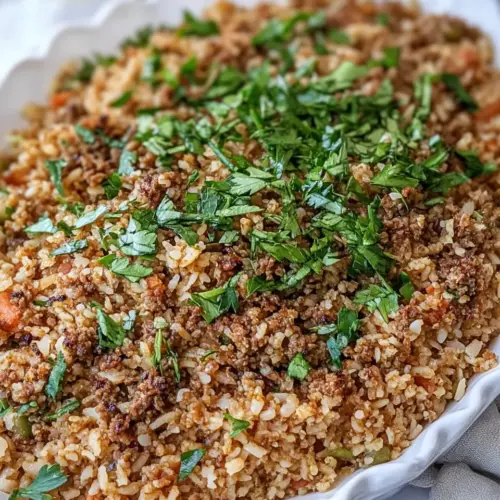
Mujadara With Bulgur
Mujadara With Bulgur is a comforting, savory bowl of tender brown lentils and chewy bulgur accented by sweet caramelized onion and warm cumin. This easy weeknight dinner is frugal, flavorful, and perfect for leftovers, offering hearty protein and satisfying texture. Make it for a simple family meal that tastes even better the next day.
Equipment
- Skillet
- 6-quart Dutch Oven
- or a large pot
Ingredients
- 2 cups (420 g) brown lentils small variety preferred Provide earthy, nutty protein and body to the dish while holding shape during simmering; rinse and pick over before cooking to remove debris and ensure even texture.
- 5 cups (1200 ml) water Supply the cooking liquid that hydrates lentils and bulgur and helps meld flavors; use measured water and simmer gently to tenderize the lentils without breaking them.
- 1 1/2 cups (250 g) coarse bulgur brown or white, preferably #2 Add chewy, wheaty texture and absorb flavors from the broth while thickening the finished dish; choose coarse bulgur for a distinct bite and stir in after lentils are partially cooked.
- 3 teaspoons ground cumin Lend warm, aromatic depth and a slightly smoky, earthy note that complements lentils and onions; add during cooking to infuse the grain and legumes evenly.
- 2 teaspoons salt Enhance overall flavor by balancing savory and slightly amplifying natural sweetness; dissolve into the cooking liquid to season lentils and bulgur throughout.
- 1/4 teaspoon ground black pepper Introduce mild heat and a sharpened edge to contrast the dish's earthiness; sprinkle during cooking or to taste to brighten the final profile.
- 1/2 cup (120 ml) olive oil extra virgin preferred, but light can be used Provide rich, silky mouthfeel and help caramelize onions when frying, creating a glossy finish and carrying spice flavors; use as a cooking fat and for drizzling if desired.
- 16 ounces (450 g) yellow onion sliced or diced Contribute sweetness and deepened flavor after caramelization, creating textural contrast with the bulgur-lentil mixture; slice or dice and cook slowly in oil until brown and flavorful.
Instructions
- Wash and rinse the lentils and bulgur thoroughly.: Right away you will notice the difference between cloudy and clear rinse water, which signals that surface dust and debris are leaving the grains and brown lentils . The tactile feel will shift as grains separate and no longer clump, helping them cook evenly. Rinsing also avoids off flavors and ensures the final texture is clean. A common mistake is skimming this step, which can lead to gritty mouthfeel, so rinse until the water runs nearly clear and drain well before starting.
- In a large pot or Dutch oven over medium-high heat, combine lentils with water. Bring to a boil, then reduce the heat to low, cover with a lid, and simmer for 10 minutes or until the lentils are almost cooked.: As the water warms, steam will rise and you will hear a gentle simmer before a boil. Bring to a full boil so the brown lentils begin to hydrate rapidly, then reduce heat to maintain a steady simmer. This initial high heat jumpstarts the cooking process and prevents a long, uneven simmer. Watch for foamy scum on top and skim if needed, otherwise it can create slightly bitter notes; removing it keeps the broth clean tasting.
- Add the rinsed bulgur to the pot along with cumin, salt, and pepper. Stir everything together and bring to a boil.: During this phase you will see the brown lentils bloom and soften, and the aroma will become nutty. The low simmer lets them cook through without falling apart. The goal is to reach an almost cooked state so they finish properly once the bulgur is added. Avoid overcooking here, because mushy lentils will change the final texture and make the dish too soft.
- Cover with the lid, reduce the heat to medium-low, and let it cook for 15 minutes or until all the water is absorbed. Remove from heat and let sit covered for 10 minutes.: When you stir these in, the steam will smell warmly spiced from the cumin , and you will see the grains mingle in the liquid. Bringing the pot back to a boil helps the bulgur absorb flavor and liquid quickly. Mixing at this stage ensures the spices distribute evenly. A common issue is under stirring, which can leave pockets of seasoning; make sure to fold everything together gently so it seasons evenly.
- Meanwhile, heat a skillet over medium heat, add olive oil and sliced onions. Cook while stirring regularly until the onions are golden. If the skillet is too small, do this in two batches.: You will notice the surface move and small bubbles forming as the heat climbs. At this point the aromas intensify and you can smell the combined savory notes. Boiling briefly is important to activate the grain absorption process, but do not leave it unattended because it can foam or boil over. If you get distracted, the pot can scorch on the bottom, so stay nearby and reduce heat quickly once boiling resumes.
- Stir most of the caramelized onions into the mujadara. Reserve some onions for topping. For extra crispy onions, sauté additional onions with some flour or corn starch until crispy.: Visual cues here are key, as the liquid will slowly disappear and the grains will swell. The surface will become matte as water is absorbed, and the aroma will shift from wet starch to toasted grain. This gentle simmer produces a fluffy, not gummy texture, which is why the heat is moderated. A typical mistake is cooking too high, which can dry out the top while leaving the bottoms undercooked; adjust heat to keep a gentle simmer.
- Serve the mujadara with the caramelized or crispy onions on top.: The resting period allows lingering steam to finish the cooking evenly and redistribute moisture so the mixture firms slightly and becomes cohesive. During this wait, steam will continue to work unseen, and when you uncover the pot the surface will look settled and slightly glossy. Skipping this rest leads to uneven moisture and can cause the dish to be too wet when served.
- Meanwhile, heat a skillet over medium heat, add olive oil and sliced onions: As the olive oil warms you will see shimmer and then the onion pieces begin to sizzle when added. Stirring regularly produces even caramelization and a sweet, golden color. Watch for quick browning at higher heat which can lead to bitter spots, so keep the flame moderated. If the pan becomes crowded, do the onions in two batches to ensure proper browning rather than steaming.
- Cook while stirring regularly until the onions are golden: The transformation is aromatic and visual, from crisp raw edges to translucent then to deep golden ribbons. You will smell increasing sweetness and toasted notes, and the onion will become silky in texture. Stir frequently so they color evenly and do not cling to the pan, and lower the heat if they begin to brown too fast. A common error is rushing this step with high heat, which produces unevenly burned pieces rather than the deep, sweet caramelization we want.
- Stir most of the caramelized onions into the mujadara: When you fold the sweet, glossy onion into the grain mixture, you will notice a fragrant lift and a silkiness that coats each bite. This melding phase balances savory and sweet, and mixing thoroughly ensures every spoonful is flavored. Retain some onions for topping so you have that crunchy, contrasting finish. Avoid adding cold onions straight from the pan without tasting, because excess oil or underseasoning could change the balance—adjust seasoning after mixing if needed.
- Reserve some onions for topping: Using reserved caramelized pieces as a garnish adds a textural highlight, and the visual contrast makes the dish more inviting. The reserved onions often crisp slightly as they cool, providing a delightful counterpoint to the tender grains. A frequent oversight is using all the onions in the pot and missing that extra crunchy layer, so set some aside deliberately as a finishing flourish.
- For extra crispy onions, sauté additional onions with some flour or corn starch until crispy: If you choose the crispy route, the coating helps draw moisture out faster and produce a tantalizing crunch, with audible crackle as they finish. The browned, crisp bits offer a different texture and intensified roasted flavor. Be careful not to burn them in the final moments, where dark bitterness can develop; remove them as soon as they turn deep golden and drain on paper to keep them crisp.
- Serve the mujadara with the caramelized or crispy onions on top: The final presentation should show glossy grains topped with golden ribbons or crunchy shards of onion . When you dig in, notice the interplay of tender brown lentils , chewy bulgur , and the sweet crispness of the topping. Serve warm and taste for final seasoning, adding a pinch of salt if desired. A last mistake I see is serving it too cold, which dulls both texture and aroma; serve slightly warm for best results.
Notes
- Use coarse bulgur, like #2 if available, for the best chew and to avoid a mushy texture; coarser bulgur holds up when mixed with the lentils and absorbs seasoning without collapsing.
- Brown or green lentils work best because they hold their shape during cooking; avoid red lentils which break down quickly and change the dish to a puree like consistency.
- Caramelize the onions slowly over medium to medium-low heat to coax out deep sweetness, stirring regularly so they brown evenly without burning and using a splash of water if they start to stick to the pan.
- For extra crispiness, toss sliced onion with a little flour or corn starch before frying; this creates a crunchy topping that contrasts beautifully with the tender grains.
- Make it ahead and refrigerate overnight because the flavors meld and deepen, making leftovers even more flavorful and easy to reheat for quick lunches or dinners.
- Adjust olive oil level for richness or lightness; extra virgin adds a fruity depth while lighter olive oil trims calories and keeps the dish more neutral.
- Toast the cumin briefly before adding to the pot to amplify its aroma, but watch carefully because ground spices can char quickly and become bitter if overheated.