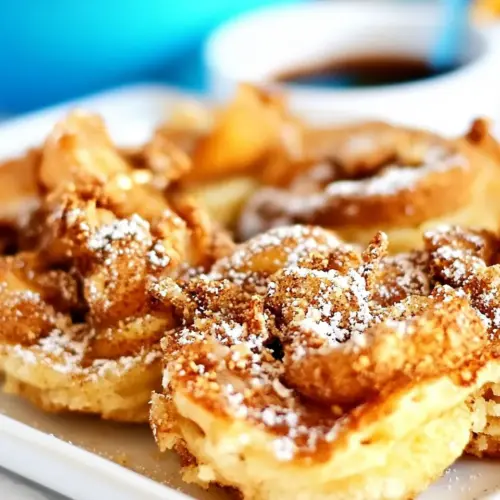
Mini German Apple Pancakes
Mini German Apple Pancakes are tender, puffy little bowls filled with pan cooked apples and a crunchy oat crumble, offering a warm, slightly caramelized flavor and a pleasing texture contrast. This easy brunch recipe is both impressive and approachable, perfect for a cozy morning or a casual gathering. Make them when you want a comforting, shareable dish that feels special.
Equipment
- Muffin Tin
- Large Bowl
- Blender
- Large Skillet
- Food Processor
Ingredients
- 1 cup milk Provide creaminess and moisture to the batter while helping to thin it for a smooth pour; milk also contributes mild sweetness and helps activate the eggs for structure. Use whole or 2% milk for best flavor and texture, adjusting slightly if batter seems too thick.
- 1 cup AP flour Add body and structure to the pancakes by supplying gluten and starch; all-purpose flour creates a tender yet sturdy crumb that holds the batter together. Sift or whisk before measuring to avoid lumps and ensure even incorporation with the wet ingredients.
- 6 eggs at room temperature Contribute lift, richness, and stability to the batter while trapping steam to create puffy, custardy mini pancakes; room temperature eggs blend more evenly for consistent texture. Beat lightly to combine yolks and whites, which helps create a uniform batter without overmixing.
- 1/2 teaspoons salt Enhance the overall flavor profile by balancing sweetness and accentuating other ingredients; salt also strengthens gluten slightly to improve mouthfeel. Use the precise small amount listed to avoid overpowering the delicate custard-like pancakes.
- 1 teaspoon vanilla extract Impart warm aromatic notes and subtle sweetness that enhance the apple and brown sugar flavors; vanilla extract deepens the overall taste of the batter. Add with the wet ingredients to distribute aroma evenly throughout the mixture.
- 1/4 cup unsalted butter, melted Provide richness and a silky mouthfeel while adding a subtle buttery flavor; melted unsalted butter helps incorporate fat uniformly into the batter. Cool slightly before mixing to prevent cooking the eggs when combined with other wet ingredients.
- 4 Granny Smith apples, peeled, and chopped Bring a bright tartness and tender fruit texture when cooked; Granny Smith apples hold shape and provide a pleasant contrast to the sweet batter. Peel and chop evenly so pieces cook through quickly and distribute throughout the mini pancakes.
- 2 tablespoons butter Melt in the pan to sauté the apples, adding caramelized flavor and preventing sticking; butter also helps develop a golden color on the fruit. Use the listed amount to cook apples gently until softened but not mushy before assembling or topping pancakes.
- 1/2 teaspoon cinnamon Add warm spice to the apples and batter, complementing the brown sugar and enhancing aromatic depth; cinnamon pairs particularly well with tart apples. Sprinkle evenly over cooked apples or into the batter for consistent flavor in each bite.
- 1/2 teaspoon lemon juice Brighten and balance sweetness by adding subtle acidity that prevents apples from browning too much; lemon juice also enhances the fruit's natural flavors. Use sparingly so the tartness complements rather than overpowers the dish.
- 1/4 cup light brown sugar, packed Provide caramelized sweetness and moisture when cooked with apples, forming a rich sauce that complements the pancakes; light brown sugar also adds mild molasses notes. Pack the sugar into the measuring spoon for accurate sweetness level.
- 1/3 cup light brown sugar, packed Serve as additional sweetener for a topping or streusel component, offering deep molasses flavor and moisture contrast to the lighter batter. Use the precise amount for the topping or crumble to avoid excessive sweetness.
- 1/3 cup AP flour Offer structure and binding in the streusel or crumble topping, contributing a bit of chew and helping the topping hold together when baked or browned. Combine with oats and butter to create a balanced crunchy topping.
- 1/4 cup oats Contribute chewiness, texture, and nutty flavor to the streusel, balancing the softness of the pancakes with toasted oat crunch. Use rolled oats for best texture and pulse slightly if a finer crumb is desired.
- 1/2 teaspoon ground cinnamon Provide a concentrated warm spice note in the streusel or batter, enhancing the apple flavor and tying together the topping ingredients. Use the small amount to avoid overpowering the sweet and buttery components.
- 3 tablespoons unsalted butter, chilled and cut into pieces Create a rich, flaky streusel topping when cut into the dry ingredients; chilled butter pieces produce small pockets of tender, buttery crumbs as they melt. Keep the butter cold until combining to ensure a desirable crumbly texture.
Instructions
- Preheat oven to 400 degrees and grease muffin tin with nonstick cooking spray with flour in it (or grease and flour pan OR use nonstick cooking spray AND melted butter).: The scent of a warm oven signals that the batter will transform, and greasing plus a dust of flour prevents sticking so the delicate edges can puff and release cleanly. You should hear a faint hiss as the hot tin meets the batter, and visually you want to see the batter rise quickly into domes. Why this matters, the combination of fat and flour creates a release layer so the pancake bowls don’t tear when removed. Common mistake, skipping the flour dusting can cause the bowls to cling to the tin and break apart when you try to remove them.
- In a large bowl, or your blender, combine all of the German Pancake ingredients except the butter and blend (or whisk) until smooth. Add butter and blend until well combined.: When the batter blends smoothly, it takes on a sheen and pours silkily into the tins, a sign that the eggs and milk have emulsified. The sound of a blender will shift from choppy to continuous, and visually the batter should be free of lumps and slightly frothy. This emulsification traps air which helps the batter puff spectacularly in the oven. Avoid overworking the mix, which can deflate the air if you whisk too aggressively after blending.
- Add batter to the tins using a 1/4 cup measuring cup. Bake for 20 minutes or until golden brown around the edges. They will be VERY puffy but will deflate as they cool.: Adding the melted butter at the end and blending ensures the fat is distributed evenly, giving the batter a glossy mouthfeel and encouraging golden edges. You may see tiny streaks of butter disappear as they are incorporated, and the batter will smell richer. The fat also aids browning, creating crisp rims. One mistake to avoid is adding very hot butter which can cook the eggs, so cool it slightly before blending.
- While the pancakes are baking and resting, melt 2 tablespoons butter in a large skillet over medium heat. Add apples, cinnamon, lemon juice and brown sugar and cook, stirring occasionally, until apples are tender and the liquid is absorbed, approximately 8-10 minutes.: As you ladle the batter, you should notice a steady pour and the little domes filling the wells to about three quarters full, which allows room for the dramatic rise. The batter will settle and smooth itself as you work. Consistent portioning ensures even baking times so that all bowls puff and brown uniformly. A common error is overfilling, which can lead to spillover and uneven centers that remain underbaked.
- While the apples are cooking, combine the sugar, flour, oats, cinnamon, and butter, in a food processor and pulse into the mixture is crumbly. Alternatively, you can place in a medium bowl and cut in the butter in with a pastry cutter or 2 forks until crumbly.: During baking the batter puffs impressively and you can watch the color deepen at the edges to a warm golden brown, while the centers set into a custardy texture. You may hear a gentle crackle as moisture escapes and the crust forms. This timing is crucial because it sets the airy structure; underbaking yields a soggy center while overbaking dries them out. Resist opening the oven too often, as sudden temperature changes can make them collapse prematurely.
- Evenly spoon cooked apples into German Pancake Bowls then top with the Crumb Topping (its okay if it gets messy!). Broil on the 2 nd rack (approximately 10 inches from broiler) for 3-6 minutes, rotating pan half way through so the topping browns evenly. Remove when crumbs are golden.: The dramatic puff is part of the experience, and as they rest the centers settle into a tender, slightly custardy bowl that holds the topping. You will see the surface relax and small creases appear as steam escapes. This deflation concentrates flavor and creates a pleasing density. A mistake to avoid is trying to unmold while piping hot and maximally puffed, which can cause tearing; wait a few minutes until they have softened slightly.
- Top with ice cream (optional) and consume.: As the butter warms and begins to foam, it releases a nutty aroma that primes the pan for the apples , and you will hear a soft sizzle the moment the fruit hits the surface. This initial browning step adds depth and toasty notes to the final topping. Do not let the butter darken beyond a light brown or it will impart a bitter taste.
- Add apples, cinnamon, lemon juice and brown sugar and cook, stirring occasionally, until apples are tender and the liquid is absorbed, approximately 8 to 10 minutes: As the fruit softens it will exhale fragrant steam and the sugars will melt into a glossy syrup coating the pieces, with occasional audible bubbling. Visual cues include softened edges and a slight translucence of the apples . This step concentrates flavor and creates a saucy base that clings to the pancake bowls. A common mistake is cooking at too high heat, which can char the outsides while leaving centers firm; moderate heat yields even tenderness.
- While the apples are cooking, combine the sugar, flour, oats, cinnamon, and butter, in a food processor and pulse into the mixture is crumbly: The goal is a coarse, sandy texture with visible pea sized bits of butter that will crisp under heat. You will smell the brown sugar and cinnamon mingle and see the mixture hold together when pressed lightly. This crumb structure creates that satisfying crunch against the soft apples . If you process too long, the mixture will turn past crumb into a paste, so pulse briefly and check the texture.
- Alternatively, you can place in a medium bowl and cut in the butter in with a pastry cutter or 2 forks until crumbly: The tactile approach gives you control over the size of the crumbs, and you can stop when the mixture resembles coarse breadcrumbs with small butter pieces. You may feel the crumbs stick slightly when squeezed, which indicates the right moisture level. This hands on method prevents over processing and gives an artisan feel to the topping. One mistake is using room temperature butter, which will blend in rather than form distinct crumbs; keep it chilled.
- Evenly spoon cooked apples into German Pancake Bowls then top with the Crumb Topping (its okay if it gets messy!): When you fill the bowls, steam will rise and the glossy apples will settle into the tender center, creating a hot, juicy core beneath the crumble. The contrast of syrupy fruit and crunchy topping is what makes each bite memorable. Don’t pack the filling too densely or the topping may not brown evenly.
- Broil on the 2 nd rack (approximately 10 inches from broiler) for 3 to 6 minutes, rotating pan half way through so the topping browns evenly: Under the broiler the crumbs will sizzle and form golden patches, giving off a toasty aroma and audible crackle as they crisp. Watch closely because this time window moves fast, and rotation ensures even coloration across the tray. The visual cue is an even golden brown without dark spots. A common error is stepping away and letting the crumbs go from browned to burnt in moments.
- Remove when crumbs are golden: Once the topping has a uniform golden color, the contrast between warm fruit and crisp crumble is at its peak. You should hear a slight crisp when you tap the topping and see the fruit bubbling at the edges. Removing at this point preserves texture and prevents bitterness from burning. If you leave them too long, the crumble will dry out and lose its pleasant chew.
- Top with ice cream (optional) and consume: The cold, creamy sensation of ice cream against the hot bowl creates an immediate temperature contrast, making the flavors pop and the texture more luxurious. The melting ice cream will mingle with any remaining fruit juices, forming a sauce that soaks into the edges. A typical pitfall is adding a large scoop that overwhelms the bowl, so choose a moderate portion if you want both textures to shine.
Notes
- Swap apple variety with care Try different apples in small batches to find your preferred balance of tart and sweet, keeping in mind firmer varieties will hold shape better during cooking.
- Adjust crumble texture Pulse less for larger clusters, or add a few more tablespoons of oats to increase chew while keeping the sugar and butter ratios similar so the topping still browns evenly.
- Control sweetness Reduce the brown sugar slightly if you prefer a less sweet topping, but maintain enough to create a glossy caramelization for the apples.
- Serve with a small scoop If using ice cream, opt for a modest portion so the contrast remains but the bowl does not become soggy too quickly.
- Make ahead strategy Prepare the crumble and cooked apples earlier in the day and reheat briefly before assembling so the topping can crisp under the broiler without overcooking the fruit.