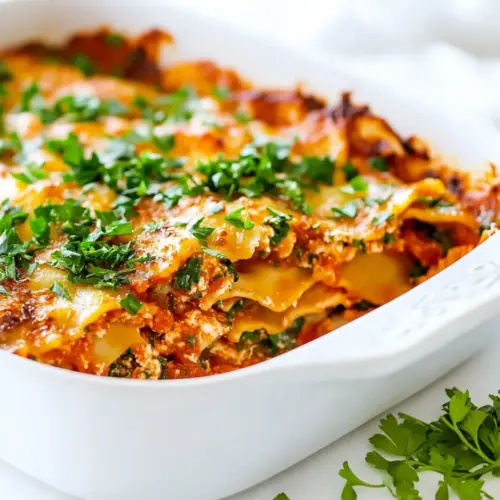
Million Dollar Ravioli Casserole
Million Dollar Ravioli Casserole combines creamy ricotta, savory Italian sausage, and melty mozzarella for a rich, comforting meal. This easy weeknight dinner delivers a creamy interior and a golden, bubbly top, perfect for feeding a crowd. It uses frozen cheese ravioli and jarred marinara to stay simple, yet tastes special enough for guests. Make it for a cozy family dinner or a relaxed potluck.
Equipment
- Oven
- 9x13-inch Casserole Dish
- Large oven safe skillet
- Mixing Bowl
Ingredients
- 1 pound Italian sausage Brown and crumble to render fat and build a savory base for the casserole, providing rich meaty flavor and texture that complements the cheeses and sauce. Cook thoroughly until no pink remains and drain excess fat to prevent greasiness. Season while cooking to infuse the meat with additional depth and ensure even distribution throughout the dish.
- 1 jar (28 ounces) marinara sauce Introduce a robust tomato backbone that binds ingredients and supplies acidity, sweetness, and moisture to the casserole. Simmer with the cooked sausage to meld flavors and reduce excess liquid for a balanced consistency. Choose a high-quality jarred sauce or homemade equivalent to elevate the overall taste of the dish.
- 2 teaspoons Italian seasoning, divided Season and aromatize in two stages to layer Italian herb flavor, using half while cooking the sausage and half mixed into the cheese filling or sauce. Provide classic notes of oregano, basil, thyme, and rosemary that enhance both meat and dairy components. Adjust the divided amounts to suit personal preference and ensure consistent seasoning throughout.
- salt and pepper, to taste Season sparingly to enhance and balance flavors without overpowering the dish, adding salt to taste and a few cracks of black pepper for subtle heat. Use judiciously, especially if the sausage or cheeses are already salty, to avoid an overly salty casserole. Taste during assembly to fine-tune final seasoning.
- 1 cup ricotta cheese Cream and bind within the cheese mixture to add a smooth, slightly tangy richness that contrasts with the savory sauce and meat. Blend with herbs and spices for a cohesive filling that keeps ravioli creamy when baked. Use whole-milk ricotta for the silkiest texture and better mouthfeel in the finished casserole.
- 2 tablespoons fresh parsley Freshly chop and fold into the cheese mixture to provide bright herbal freshness and color, cutting through the richness of the cheeses and sausage. Sprinkle some on top before serving for aroma and visual appeal. Use flat-leaf parsley for the best flavor and texture.
- 1/2 teaspoon garlic powder Flavor lightly to contribute gentle garlicky notes without overwhelming the other herbs or fresh garlic if used, offering convenience and shelf-stability. Mix into the ricotta or sprinkle into the sauce to ensure even distribution. Use measured amounts to avoid a processed garlic flavor.
- 1/4 cup parmesan cheese, grated Grate finely and incorporate into the cheese layer to add salty, nutty umami that enhances depth and provides a savory crust when baked. Sprinkle some into the filling and a little on top for a golden finish. Employ freshly grated Parmesan for better melt and taste compared with pre-grated varieties.
- 1 package (18 ounces) frozen cheese ravioli Arrange in layers or scatter frozen to provide tender pasta pockets filled with cheese that become soft and pillowy as the casserole bakes. No need to thaw completely; add directly to the casserole with sufficient sauce so they cook through evenly. Choose a cheese-filled ravioli to complement the other dairy elements in the recipe.
- 1 -2 cups mozzarella cheese Melt and blanket the casserole to add gooey, stretchy richness and create an appealing golden-browned finish when baked. Use one cup for lighter coverage or up to two cups for extra cheesiness, spreading evenly to ensure consistent melting. Opt for shredded low-moisture mozzarella to achieve a classic stretchy texture and browning.
Instructions
- Preheat and prepare: Preheat oven to 350°F and spray a 9×13 inch casserole dish with cooking spray.: The oven temperature should feel consistent and even, a warm 350°F that encourages gentle bubbling rather than aggressive boiling. You'll notice the kitchen begin to smell faintly of warm air as the oven comes to temperature. Preparing a 9x13 inch casserole dish with cooking spray ensures the edges release cleanly after baking, avoiding sticky patches. One tip, let the oven fully reach 350°F before placing the dish inside, because inserting too early can lead to uneven cooking. A common mistake is skipping the spray; this can make serving difficult when bits cling to the dish.
- Make sauce: In a large, oven-safe skillet, brown 1 pound Italian sausage. Drain grease from skillet. Add 1 jar marinara sauce, salt and pepper and 1 teaspoon Italian seasoning. Scoop out about 1/2 of the sauce and set aside.: When you brown the 1 pound Italian sausage in a large, oven safe skillet, listen for an energetic sizzle and watch the meat develop mahogany brown edges, which signal deep, savory flavor. Draining the grease reduces excess oil that could weigh down the casserole, while leaving a little bit helps carry flavor into the sauce. Adding the jarred 28 ounce marinara sauce , plus salt, pepper, and 1 teaspoon of Italian seasoning , creates a rich, fragrant pool that will infuse the ravioli. Scoop out about half of this sauce and set it aside; having reserved sauce keeps the layers balanced and prevents the top from becoming overloaded. Avoid undercooking the sausage, which leaves a raw texture, and be careful when draining not to pour off all flavorful drippings.
- Make cheese layer: In a medium sized mixing bowl, add 1 cup ricotta, 2 tablespoons chopped, fresh parsley, 1/2 teaspoon garlic powder, 1 teaspoon Italian seasoning and 1/4 cup parmesan cheese. Stir well.: In a medium mixing bowl combine 1 cup ricotta cheese with 2 tablespoons chopped fresh parsley , 1/2 teaspoon garlic powder , 1 teaspoon Italian seasoning , and 1/4 cup grated parmesan cheese . As you stir, the mixture should feel dense yet spreadable, the herbs brightening the pale ricotta. This mixture forms a creamy cushion that contrasts the pasta and sauce. If the ricotta seems grainy, a vigorous stir or a brief whisk will smooth it. A common pitfall is over thinning this mix with liquid, which can make the layer sink during baking.
- Layer: Add the frozen ravioli to the top of the sauce. Add all the cheese mixture to the top of the ravioli and gently spread. Cover with the remaining sauce and finish with the 2 cups of mozzarella.: Add the frozen cheese ravioli on top of the sauce in the skillet or dish so they sit snugly in the first sauce layer, which helps them cook evenly and absorb flavor. Spoon all of the cheese mixture onto the ravioli and gently spread so each piece gets a covering, taking care not to tear the ravioli. Pour the reserved sauce over the cheese layer to lock in moisture and finish with 1 to 2 cups of shredded mozzarella cheese for a luxurious top. You'll see a contrast between the pale cheese layer and the bright red sauce before baking. Avoid piling too much cheese in one area as that can insulate sections and prevent even bubbling.
- Bake: Bake uncovered for 45 minutes and let sit for 15 minutes before serving.: Bake uncovered for 45 minutes until the edges of the sauce bubble vigorously and the top of the mozzarella cheese is melted and showing hints of golden brown. The sound in the oven will be a gentle, steady simmer as steam escapes, and visually you'll notice small pockets of sauce rising around the ravioli. After removing from the oven, let the casserole sit for 15 minutes to set; this rest makes slicing neater and allows the interior to thicken. A key mistake to avoid is serving immediately, which can result in runny portions and lost structure.
Notes
- Swap the protein Try using a mild turkey Italian sausage for a lighter flavor profile while keeping the savory backbone intact, it reduces fat while preserving seasoning.
- Extra herb brightness Fold in a little extra chopped fresh parsley or basil into the ricotta to add freshness and color that contrasts the rich cheese.
- Cheese boost Add an extra 1/2 cup of grated parmesan cheese to the top for a nuttier, more deeply flavored crust as the parmesan will brown and crisp slightly.
- Smaller portions Assemble in individual ramekins for single serve presentations, which also shortens bake time and produces more edge crusts per portion.
- Saucy adjustment If you prefer a saucier casserole, reserve slightly less of the sauce before layering so more ends up on top, but beware of making the center too loose.