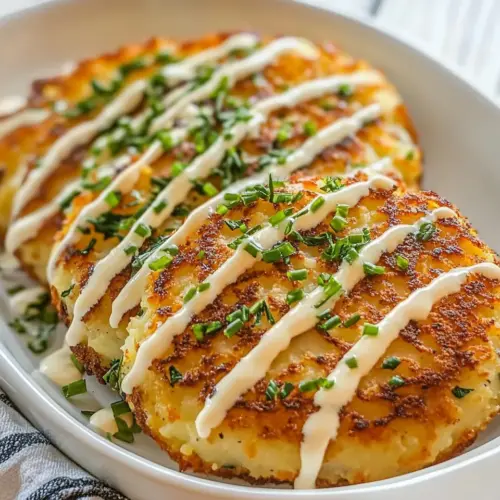
Mashed Potato Cakes
Mashed Potato Cakes are crispy on the outside and creamy inside, an easy weeknight side or brunch star made from leftover mashed potatoes. Savory parmesan cheese and crunchy Panko bread crumbs give a delightful texture contrast, while simple pantry seasonings keep it fuss free. Make a batch for a crowd or a solo comfort meal, these cakes are an irresistible, quick way to transform leftovers.
Equipment
- 12-inch Non-Stick Skillet
- Mixing Bowl
- 3 tablespoon cookie scoop
- Shallow Bowl
- Spatula
- Parchment Paper
Ingredients
- 2 cups leftover mashed potatoes, well chilled (I recommend these) Provide a stable, creamy base made from chilled leftovers that bind easily when formed into cakes and deliver rich potato flavor and smooth texture when reheated or pan-fried.
- 1 large egg, whisked Whisked lightly to incorporate, enriches the mixture by adding structure and moisture, helping the cakes set and hold together during cooking.
- 1/3 cup all-purpose flour, or a little more as needed Add a light dusting of flour to absorb excess moisture and create a firmer, workable dough; adjust incrementally to avoid dryness while promoting browning.
- 1/2 tsp baking powder Leaven gently to introduce a touch of lift and lighten the interior slightly, preventing overly dense mashed potato cakes while offering a delicate crumb.
- 1/4 tsp (heaping) garlic powder Impart a concentrated garlic flavor in a controlled, shelf-stable form that enhances savory depth without introducing fresh-slice texture.
- 1/4 tsp (heaping) onion powder Deliver a sweet, aromatic onion background that rounds out savory notes and contributes subtle savoriness without adding bulk or moisture.
- Salt and black pepper, to taste Season judiciously to enhance overall flavor balance; adjust salt and pepper to taste to brighten ingredients and control final savoriness.
- 1/2 cup Panko bread crumbs Provide a crisp outer coating that creates a crunchy contrast to the soft interior when pressed onto cakes before frying or baking.
- 1/2 cup finely shredded parmesan cheese Contribute nutty, salty umami and help with browning; finely shredded texture mixes into the batter and adds savory richness.
- 3 tbsp olive oil, divided Coat the pan for frying and lend fruity, mild flavor while preventing sticking; divided use allows controlled browning and finish.
- 1/4 cup natural sour cream, thinned with a little milk for a drizzle-able consistency (optional) Thin to a drizzleable consistency to offer a tangy finishing sauce that complements the cakes with cool creaminess and mild acidity.
- 1 1/2 tbsp minced fresh chives (optional) Bring a fresh, oniony-herb brightness when minced and scattered as an optional garnish to lift flavor and add color contrast.
Instructions
- Add mashed potatoes to a medium mixing bowl. Drizzle over whisked egg, then evenly sprinkle over flour, baking powder, garlic powder, onion powder, plus salt and pepper to taste.: Warm, buttery scents are muted since the mash is chilled, but you will notice the fragrant lift from the garlic powder and onion powder as you mix. Use a bowl large enough to fold without crowding, so ingredients distribute evenly. The purpose here is to combine binding agents with the mash so each bite holds together, and the flour absorbs any lingering moisture. A common mistake is adding all the flour at once, which can dry the mixture; instead, sprinkle and assess texture. If the mash clumps in odd pockets, press with the back of a spoon to unify, and taste for seasoning so you do not under salt.
- Using a fork gently toss and stir mixture until it comes together (careful not to overwork it so potatoes don't become gluey). If needed you can add a few more tablespoons of flour for mixture to hold together better.: You should feel the mash transform from loose to slightly tacky, with the egg and flour binding it. The fork action prevents overworking, which would release too much starch and make the cakes gluey. Stop as soon as the mixture holds a slight mound when scooped. If it still spreads, add flour one tablespoon at a time, because excess flour makes the interior dry. A typical error is vigorous stirring; instead, use gentle folding motions to protect the texture.
- Scoop out potatoes using a 3 Tbsp cookie scoop, and drop onto parchment paper or a greased cookie sheet.: Using a scoop creates uniform cakes so they cook evenly. As you scoop, you will notice the mash's surface is smooth and slightly firm. Placing them on parchment prevents sticking and keeps the bottoms clean. If cakes are different sizes, adjust cooking time because smaller ones will brown faster. Avoid pressing them flat at this stage; wait until you coat them so moisture doesn’t seep out prematurely.
- In a shallow bowl toss together Panko bread crumbs and parmesan cheese.: The Panko bread crumbs and parmesan cheese combine into a coarse, flavorful coating. When you work the mixture with your fingers it should feel sandy and slightly tacky from the cheese. The coating is critical for crispness, so ensure the Panko is evenly mixed and the parmesan cheese is finely shredded to adhere well. A pitfall is clumpy cheese; if that happens, fluff the mix with a fork to distribute it uniformly.
- Heat 1 1/2 Tbsp olive oil 12-inch non-stick skillet slightly over medium heat.: You should see a gentle shimmer on the surface of the oil and hear a soft sizzle when you test a crumb. The correct heat is warm enough to brown within a minute or two without smoking. This temperature ensures the crust sets quickly while the interior warms through. If the oil smokes, reduce heat and start again with fresh oil; overheated oil will burn the crust and leave a bitter taste. Maintaining even medium heat is the single best trick for consistent color.
- Spray hands with non-stick cooking spray and working with one portion of mashed potatoes, shape it into an even disk about 2 1/2 to 3-inches and transfer to panko parmesan mixture lightly pressing in to coat each side.: As you form disks, feel for an even thickness so they cook uniformly. Pressing too hard compacts the interior and makes them dense, while too loose a press means they will fall apart when flipped. Gently press into the Panko mix so crumbs and parmesan cheese cling to the surface; you want full coverage but not a thick, clumpy crust. A common slip is letting hands get too warm, making the mash sticky; chilling hands briefly or using a scoop helps.
- Cook 6 potato cakes at a time about 1 1/2 to 2 minutes per side until golden brown on bottom. Flip to opposite side and cook until golden brown on opposite side. Transfer to a plate. Repeat cooking process with the additional 1 1/2 Tbsp oil and remaining 6 potato cakes.: When the cakes hit the skillet you should hear a steady, gentle sizzle and see the edges firm up. The bottom will turn a deep golden color in about a minute or two; that visual cue tells you it is ready to flip. After flipping, watch the second side closely because it can brown faster. Transfer cooked cakes to a plate lined with paper towels to absorb excess oil. A common misstep is crowding the pan; give each cake a little space so steam can escape and the crust stays crisp. Replenish oil between batches as needed to maintain browning.
- Serve warm drizzled with sour cream and sprinkled chives.: The final serving temperature matters, because warm interior and crisp exterior are most appealing together. Drizzling thinned sour cream creates a cool, tangy contrast, and the fresh chives add bright, herbal notes. Place the cakes on a warm plate and spoon the sour cream drizzle in a thin ribbon so it does not soak the crust. A frequent mistake is serving them too long after cooking, which lets the crust soften; time plating so they reach the table promptly and enjoy the peak textures.
Notes
- Chill the mash: Cooling the mashed potatoes tightens their structure and makes them easier to shape, leading to neater cakes and less sticking to your hands.
- Measure the coating: Combine Panko bread crumbs and parmesan cheese in a shallow bowl for efficient coating, which helps produce an even, crunchy crust.
- Watch the oil temperature: Keep the skillet at medium so the cakes brown steadily without burning; if oil smokes, lower the heat to preserve flavor.
- Uniform scoops: Use a 3 tablespoon scoop or a measuring spoon to ensure consistent sizes, which guarantees even cooking across batches.
- Adjust flour sparingly: Add extra flour by tablespoons only if the mash will not hold, because too much makes the center dry and mealy.
- Serve immediately: Plate the cakes right after cooking to enjoy the crisp crust; letting them sit will soften the coating.
- Prep a coating station: Set out the scoop, parchment tray, and the Panko mixture before frying to streamline the process and avoid scrambling while the pan heats.