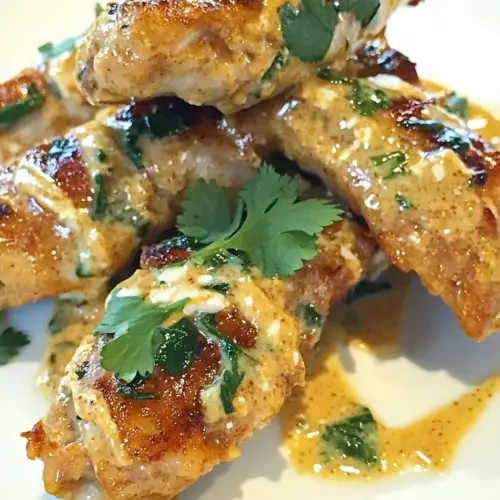
Marcus Samuelsson Peanut Chicken Recipe
Marcus Samuelsson Peanut Chicken Recipe delivers a creamy, nut forward sauce with tender chicken, crunchy taro, and bright herbs for an easy weeknight dinner that feeds a crowd. The silky peanut butter base, warm spices, and coconut elements create an aromatic, slightly sweet savory profile thats both comforting and vibrant. Make it when you want a crowd pleasing, flavor packed meal.
Equipment
- Large Pot
- Skillet
- Tongs
Ingredients
- 1 boneless and skinless chicken breasts (10 chicken breasts total) Cooked to tender, provides lean protein and serves as the main protein component that carries the peanut flavors throughout the dish. Marinated or seared to develop a golden exterior before combining with sauce and aromatics for depth. Sliced or presented whole to absorb and showcase the rich coconut-peanut sauce.
- 1/2 cup coconut spinach (5 cups cooked coconut spinach total) Creamy and mildly sweet, contributes rich coconut notes and a vibrant green base that balances the richness of the peanut sauce. Gently wilted to preserve texture and folded into the dish to add moisture and leafy substance. Complements the chicken while adding a subtle tropical character.
- 1/4 cup taro root (2 1/2 cups taro root total) Earthy and starchy, adds body and rustic texture to the dish when diced or cooked until tender. Simmered or roasted to bring out its nutty sweetness and to complement the creamy sauces. Acts as a hearty accompaniment that soaks up flavors from the stock and peanut mixture.
- 1/5 cup pearl onions (2 cups pearl onions total) Sweet and slightly pungent, offers small bursts of onion flavor and textural contrast when sautéed or caramelized. Cooked whole or halved to impart a mellow onion sweetness into the broth or sauce. Enhances overall flavor complexity without overpowering the peanut profile.
- 1/3 cup peanut sauce (3 1/3 cups total) Silky and savory, forms the flavor backbone when blended into sauces or used as a finishing drizzle to bind ingredients together. Heated gently to integrate with stock and coconut milk for a smooth, cohesive texture. Provides a pronounced peanut presence that defines the recipe.
- 1 tablespoon peanuts chopped (3/4 cup total) Crunchy and nutty, used as a garnish or stirred in for added texture and to reinforce the peanut theme. Lightly toasted to amplify aroma and provide contrast to softer components like chicken and spinach. Scattered over the finished dish to deliver intermittent crunchy bites.
- 1 tablespoon cilantro (3/4 cup total) Bright and herbaceous, adds a fresh, citrus-like lift that cuts through the richness of the sauce when chopped and sprinkled. Mixed into the sauce or used as a finishing herb to add color and aromatic brightness. Balances heavier ingredients and enhances overall freshness.
- 1 tablespoon scallion (3/4 cup total) Mild and oniony, contributes a delicate, savory onion flavor when sliced thinly and used as a garnish or cooked briefly. Incorporated to add height and an aromatic top note that complements cilantro and shallots. Provides subtle vegetal freshness to each bite.
- 1 tablespoon rosemary chopped Piney and aromatic, used sparingly to impart a woodsy, savory complexity when finely chopped and integrated into rubs or marinades. Combined with other herbs to layer fragrant notes without overwhelming the peanut profile. Adds a Mediterranean herbal undertone to the dish.
- 1 tablespoon hot pepper flakes Spicy and pungent, sprinkled judiciously to introduce heat and accentuate flavors across the sauce and chicken. Toasted lightly to release essential oils and dispersed for controlled warmth. Helps balance sweetness and richness by adding a lively kick.
- 1/4 cup salt Salty seasoning base, used to season proteins and liquids, enhancing all other flavors when dissolved into sauces or stock. Measured to achieve balanced seasoning across components during cooking. Ensures sufficient savory depth throughout the recipe.
- 1/4 cup brown sugar Caramellike sweetener, adds deep molasses notes and balances acidity and heat when dissolved into sauces or marinades. Combined with savory elements to create a rounded, complex taste profile. Helps achieve harmony between salty, spicy, and tangy components.
- 3/4 cup shallots diced Sweet and aromatic, offers a mellow onion fragrance and subtle sweetness when cooked down to form the flavor foundation. Sautéed until translucent to sweeten and soften, integrating into the base of the sauce for richness. Adds both texture and savory-sweet depth.
- 1 tablespoon garlic chopped Pungent and aromatic, provides foundational garlic flavor when minced and briefly cooked to release aroma without bitterness. Folded into the cooking base to enhance savory notes and complement other aromatics. Builds umami and rounds out the sauce.
- 1 tablespoon paprika Smoky and warm, contributes color and a mild depth of flavor when added to rubs or cooked into the sauce. Balanced to lend subtle warmth without dominating delicate aromatics. Enhances savory richness and pairs well with peanut and coconut elements.
- 1/6 cup grapeseed oil Neutral and high-heat oil, used for searing chicken and sautéing aromatics due to its high smoke point and light flavor. Helps achieve a crisp sear and prevents burning of delicate herbs and spices. Facilitates even cooking and flavor release from other ingredients.
- 1/3 cup coconut shredded Sweet, chewy garnish, adds tropical texture and a touch of coconut sweetness when sprinkled into the sauce or used as a topping. Toasted lightly to release oils and heighten aroma. Reinforces coconut character and provides pleasant mouthfeel contrast.
- 1 cup peanut butter Thick and creamy binder, supplies concentrated peanut flavor and creates a smooth, rich sauce when whisked with stock and coconut milk. Emulsifies liquids to form a velvety mouthfeel that clings to chicken and vegetables. Central to achieving the signature peanut profile.
- 8 cups chicken stock Savory and rich liquid base, provides depth and umami that supports the sauce and braising of chicken. Simmered with spices and aromatics to extract flavor and create a cohesive, flavorful cooking liquid. Helps thin and balance the peanut butter for proper sauce consistency.
- 4 cups coconut milk Luxurious and creamy, imparts coconut richness and silkiness to the sauce while enhancing tropical notes. Stirred into the stock and peanut butter to create a balanced, velvety texture. Smooths and rounds flavors while adding body to the dish.
- 8 pieces star anise Sweetly licorice-scented whole spice, added to the broth for aromatic complexity and warming background notes during simmering. Steeped in the stock to subtly perfume the sauce and enhance depth. Removed before serving to leave nuanced spice impressions.
- 2 pieces bay leaves Herbal and slightly floral whole leaf, introduced to the stock to contribute subtle aromatic layers and a gentle savory background. Steeped during simmering to infuse the liquid without overpowering delicate flavors. Removed prior to serving to leave restrained herbaceous notes.
- 3 pieces cinnamon sticks Woody and sweet spice sticks, used whole to lend warm, cinnamon-like complexity during simmering of the stock and sauce. Infused to deepen the aromatic spectrum and complement sweet and savory components. Strained out before serving after imparting subtle warmth.
- 1/6 cup dried ginger diced Aromatic and warming, used dried to contribute concentrated ginger warmth and slight peppery notes when rehydrated in the stock or sauce. Simmered to release spicy, gingery flavors that brighten the overall profile. Helps cut through richness with lively, aromatic heat.
- 1/4 cup black vinegar Tangy and aged condiment, added to the sauce to introduce sharp acidity and a gentle fermented depth that balances sweetness. Mixed in sparingly to brighten flavors and provide counterpoint to the peanut butter and coconut. Enhances complexity and brightness in the finished dish.
- pinch of salt Tiny seasoning pinch, used at the end to fine-tune and balance taste by adjusting saltiness with great precision. Sprinkled or added to taste to ensure final seasoning harmony across the components. Helps bring out underlying flavors without oversalting.
Instructions
- Chicken breast is rubbed with salt, brown sugar, rosemary, and pepper flakes. Sauce is made with shallots, garlic, smoked paprika, shredded coconut, peanut butter, chicken stock, coconut milk, black vinegar, star anise, cinnamon, bay leaves, and ginger. Blanched spinach is mixed with cumin flavored coconut cream, and diced fried taro root is folded into the spinach. Pearl onions are braised with mango puree and rice vinegar. Garnish with chopped peanuts, scallions, and cilantro.: As the seasonings meet the surface of the chicken , you should notice a fragrant, earthy perfume from the rosemary and sweet warmth from the brown sugar . When you rub the mixture in, press gently so the seasoning adheres, then let the pieces rest briefly to allow the salt to begin drawing flavors inward. The tactile feedback of the meat becoming tacky under your fingertips tells you the rub is doing its job. If you skip resting the chicken , the crust will not form as effectively during searing, leading to a less flavorful exterior.
- Mix all ingredients together.: The aroma evolves as you sweat the diced shallots until translucent, releasing a sweet, mellow scent that becomes the anchor for the rest of the sauce. Adding chopped garlic next will create a bright, savory lift; keep the heat moderate so the garlic softens rather than browns. When you stir in smoked paprika and shredded coconut , a warm, toasty note emerges, and folding in the peanut butter will thicken the mixture into a creamy veil. Pouring in the chicken stock and coconut milk loosens the texture into a smooth simmer, while whole star anise , cinnamon sticks, and bay leaves perfume the pot with a heady, slightly sweet spice. The black vinegar and diced dried ginger add brightness and zing, cutting through the richness and keeping the palate lively. Simmering gently allows flavors to marry, producing a sauce that smells floral, nutty, and almost curry like. Avoid boiling vigorously, which can break the emulsion and make the sauce grainy.
- Sweat the shallots, garlic, and spices in the oil. Add the rest of the ingredients and simmer for about 45 min. Take out the star anise, cinnamon, and bay leaves. Season with salt.: The blanched spinach should be vivid green and tender, its scent vegetal and slightly sweet. When you fold it into a coconut cream that has been lightly scented with cumin, the combination feels creamy and aromatic, each leaf coated in a warm, savory sheen. Adding diced, fried taro root introduces a crisp yet starchy bite that contrasts with the silkiness of the coconut cream and the tenderness of the spinach . Listen for a gentle sizzle when the taro hits hot oil, and aim for a golden exterior while keeping the interior soft. Undercooked taro tastes chalky, so fry until the pieces are cooked through and pleasantly crunchy on the outside.
- Pearl onions are braised with mango puree and rice vinegar: As the small pearl onions braise slowly, they release a sweet aroma and take on a translucent, glossy appearance. Introducing mango puree and rice vinegar adds a fruity acidity that balances the overall richness, creating a lively tang that complements the savory sauce. Keep the heat low to coax out the onions' sweetness without collapsing them into mush, letting the liquids reduce to a syrupy glaze that clings to each onion. A common pitfall is braising too quickly at high heat, which causes uneven cooking and a raw center.
- Garnish with chopped peanuts, scallions, and cilantro: The final assembly lets you play with texture and freshness. Chopped peanuts contribute a toasted crunch, while sliced scallions and chopped cilantro introduce bright, herbaceous notes. Scatter them just before serving so they keep their color and crispness, and consider toasting the peanuts briefly to amplify their aroma. If you add these too early, the herbs will wilt and the peanuts may soften, diminishing the contrast they bring to each bite.
- Mix all ingredients together: Once components are ready, the kitchen fills with layered scents as you combine the chicken , the rich peanut sauce, the braised pearl onions , and the coconut infused spinach with fried taro root . Stir gently so the textures remain distinct and the sauce envelops each element with a glossy coating. Taste and adjust seasoning with a pinch of salt where needed, because proteins and starches can mute flavors. Overstirring can break down fragile pieces like the fried taro root , so fold carefully.
- Sweat the shallots, garlic, and spices in the oil: Allowing the shallots , garlic , and spices to sweat in grapeseed oil unlocks foundational aromas, creating a fragrant base that permeates the whole dish. You should see the shallots become soft and slightly glossy, and sense the spices bloom as they warm, releasing essential oils. This gentle coaxing builds complexity without charring, which would add bitterness. Too high heat at this stage often leads to browned bits and a harsher flavor profile.
- Add the rest of the ingredients and simmer for about 45 min: As you add the remaining liquids, peanut butter , and whole spices, the pot will shift from bright aromatics to a deep, resonant perfume. A slow simmer for about 45 minutes allows flavors to marry, the sauce to thicken, and the whole spices to infuse without overwhelming. You will notice steam rising with a rounded, nutty aroma, and the sauce will reduce to a silkier texture that clings to the back of a spoon. Stir occasionally to prevent sticking, and keep the heat low to avoid separation. Rushing this step by using high heat risks an uneven texture and muted depth.
- Take out the star anise, cinnamon, and bay leaves: Removing these whole spices at the end preserves a balanced spice profile, preventing one note from dominating. When you fish them out, you should still smell their imprint in the sauce, but no single spice should shout. Leaving them in too long can impart an overpowering licorice or astringent note, so use tongs or a slotted spoon to retrieve them before serving.
- Season with salt: The final seasoning is where everything comes into focus. Taste the sauce hot and adjust with a measured amount of salt , which sharpens flavors and rounds the mouthfeel. Because the sauce has reduced, salt concentration may be higher than earlier in cooking, so add it gradually. A common error is over salting at the start and not accounting for reduction, which yields a too salty final product.
Notes
- Prep ahead: Marinate the rubbed chicken for up to a few hours to let the salt and aromatics penetrate for a more flavorful crust.
- Control heat: Maintain a gentle simmer when the peanut butter is incorporated to avoid breaking the sauce into an oily layer.
- Textural play: Fry the diced taro root until golden and crisp to contrast the creamy sauce and tender chicken.
- Balance acidity: Add the black vinegar gradually and taste to ensure it brightens without dominating.
- Garnish last: Scatter chopped peanuts, sliced scallions, and chopped cilantro just before serving so they keep their texture and color.