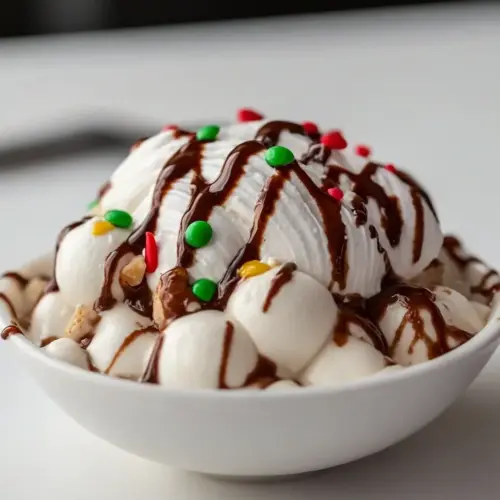
Magic Shell
Magic Shell is a silky, crunchy chocolate sauce made from semi sweet chocolate chips and coconut oil that creates a crisp shell over ice cream. This easy, two ingredient topping is creamy before it cools and shatters into delightful texture on contact, perfect for quick desserts and party sundae bars. Try it for an easy weeknight dessert that impresses everyone.
Equipment
- Microwave-safe Bowl
- Spoon
- Sealable jar
Ingredients
- 1 cups emisweet chocolate chips Melted and bittersweet, provides the primary chocolate flavor and structure for creating a glossy, firm shell once cooled; helps set the mixture quickly when poured over frozen desserts and offers a rich, balanced sweetness.
- 1/3 cup coconut oil, (measured when solid) Solid and fatty, adds necessary liquid fat when melted to thin the chocolate for easy pouring and creates the characteristic hard, crackable texture as it cools; contributes a subtle coconut aroma when used at room temperature before melting.
Instructions
- In a microwave safe bowl, add the chocolate chips and coconut oil. Melt in 30 second intervals in the microwave stirring in between. Add more chocolate chips to make it thicker, more coconut oil to make it thinner.: The aroma at this stage is subtle, a whiff of warm cocoa and faint coconut that signals the beginning of transformation. Use a shallow, microwave safe bowl so heat distributes evenly. A common mistake is crowding the bowl which leads to uneven melting and scorched bits. You will want the mixture to look like clumps of glossy chocolate surrounded by shiny oil before you start short bursts of microwaving.
- In a microwave safe bowl, add the chocolate chips and coconut oil. Melt in 30 second intervals in the microwave stirring in between. Add more chocolate chips to make it thicker, more coconut oil to make it thinner.: At each interval take the bowl out and stir vigorously with a spoon, scraping the sides so residual heat completes the melt. You'll hear a faint hiss as the chips soften, and the texture should move from grainy to smooth. This step prevents scorching, which can make the chocolate grainy and dull. If you skip stirring, you risk hot pockets that ruin shine and flavor.
- Pour over ice cream. Store at room temperature and reheat as needed.: As the mixture comes together, taste and test temperature by dipping a spoon and letting it cool for a beat. Thicker mixtures will crack more noticeably when poured on cold ice cream , while thinner ones will create a delicate glossy coat. The wrong ratio gives either a floppy coating or an oil slick, so adjust in small amounts and test on a cold surface to see how it sets.
- Pour over ice cream. Store at room temperature and reheat as needed.: When you repeat this step for larger batches you should notice the same sensory cues but on a bigger scale, with the chocolate scent intensifying and the shine becoming more pronounced. Use a heat proof spatula to bring melted portions into contact with unmelted chips so they soften without extra heat. Overheating during a second melt can make the coconut oil separate, which ruins texture and requires starting over.
- Melt in 30 second intervals in the microwave stirring in between: Continue the tempering rhythm until the mixture is fully smooth and glossy. The sound will be quiet now, and the visual cue is a homogenous, mirror like surface. Avoid using metal utensils which can be uncomfortable and unnecessary here, and always stop microwaving once fully incorporated to prevent graininess. If the mix appears oily on top, whisk quickly to recombine before it cools.
- Pour over ice cream: When you drizzle the warm sauce, listen for the soft sizzle as hot meets cold, and watch the liquid form a glossy coat that hardens almost immediately. The visual satisfaction of that snap is immediate. Pour from a spoon or small pitcher for better control; a common error is pouring too quickly, which can create pools rather than a uniform shell. Let it set for a few seconds before serving so the surface becomes satisfyingly crisp.
- Store at room temperature and reheat as needed: Stored in a sealed jar, the sauce keeps at room temperature because the coconut oil solidifies when cool, preserving texture. Reheat in short bursts to regain pourable consistency, stirring to redistribute heat so it stays glossy. A mistake is overheating which can break the emulsion, so use short intervals and stir until smooth. Keep away from direct sunlight which can soften it unevenly.
- Pour over ice cream: For subsequent servings, dip a spoon into the warmed mixture and drizzle; the sensory repeat is part ritual, part joy. You may notice slight changes in aroma as it cools and reheats, but flavor remains rich. If reheated unevenly, it may separate, so always stir until fully homogeneous. Avoid reheating repeatedly in large batches to keep the shine intact.
Notes
- Choose good quality chocolate chips — Better chips melt creamier and give a richer flavor and glossier finish, which improves the final shell.
- Measure coconut oil solid — Measuring when solid avoids overshooting the liquid volume and helps you get the texture you expect.
- Use short microwave bursts — Thirty second intervals with stirring prevent scorching and ensure a smooth emulsion.
- Test on a cold plate — A quick test pour on a chilled plate shows whether the ratio yields the snap or thin coat you want.
- Store in a sealed jar at room temperature — This keeps the mixture ready to reheat and preserves its pourable quality without refrigeration.
- Reheat gently and stir — Short bursts of heat and thorough stirring restore gloss without separating the oil and chocolate.