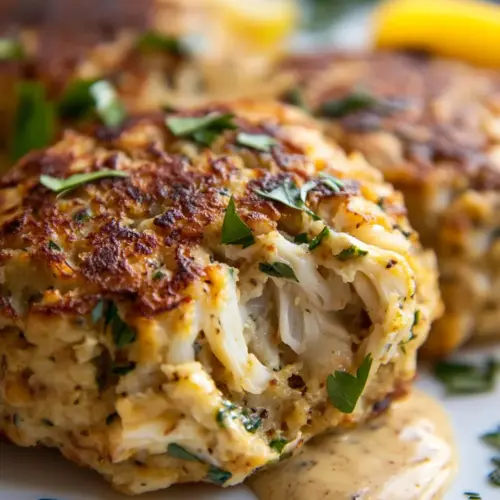
Lion’s Mane Crab Cake Recipe
Lion’s Mane Crab Cake Recipe offers a crispy exterior and tender, stringy interior that mimics classic crab cakes using Lion's Mane Mushroom. Rich, creamy remoulade and bright lemon balance the savory patties, making an easy weeknight dinner or entertaining appetizer. Fast to assemble and full of texture, this recipe is a satisfying vegetarian friendly option worth making for its bold flavors and crowd pleasing crunch.
Equipment
- nonstick skillet
- Mixing Bowl
- Spatula
Ingredients
- 6 ounces fresh Lion's Mane Mushroom Sautéed gently to develop a tender, crab-like texture and absorb surrounding flavors, offering a meaty, seafood-like base for the cakes. Provide a delicate, spongy backbone that soaks up seasoning and helps mimic crab while remaining neutral enough to pair with binders.
- 12 Ritz crackers Crumbled finely to add body and light crispness, acting as a traditional breadcrumb substitute that helps bind and give structure to the patties. Contribute a buttery, slightly salty note that enhances mouthfeel and helps the cakes hold together during cooking.
- 1 egg beaten Beaten to create a cohesive binder that holds the mushroom, crumbs, and seasonings together, ensuring the cakes set without falling apart. Add a touch of richness and protein that improves texture and helps with browning when pan-fried.
- 1/3 cup mayonnaise Stirred into the mixture to introduce creaminess and moisture, helping bind ingredients while lending a subtle tang and smooth mouthfeel. Balance drier components and contribute to the overall richness of the sauce and patty interior.
- 1 tbsp dijon mustard Whisked in to introduce a piquant tang that brightens flavors and complements the savory seasonings, helping cut through richness. Provide a subtle emulsifying effect that improves texture and flavor integration in both the patty mix and sauces.
- 1 tbsp Old Bay Seasoning Sprinkled to impart classic seafood seasoning notes of celery salt, paprika, and pepper, reinforcing the 'crab' cake character. Offer a robust, aromatic profile that seasons the mixture deeply and enhances overall savory complexity.
- 1 tbsp fresh parsley minced or 1 tsp dried parsley flakes Folded in to add fresh herbal brightness and a hint of color, balancing richer components with an aromatic lift. Provide a mild, clean taste that ties together the seasonings and elevates the final presentation.
- 1 tsp liquid aminos or soy sauce Drizzled sparingly to introduce umami depth and a savory saltiness that enhances overall flavor complexity without overpowering. Serve as an alternative to traditional soy-based seasoning to deepen the palate.
- few dashes of hot sauce Added in a few dashes to contribute heat and a vinegary tang, heightening flavor contrast and enlivening the savory profile. Help balance richness and add a subtle kick that complements the other seasonings.
- 2 tbsp cooking oil Heated in the pan to create a crisp, golden exterior while facilitating even cooking and preventing sticking. Provide the necessary fat for frying, contributing to browning, flavor development, and a pleasing textural contrast.
- 4 lemon wedges Squeezed over finished cakes to add bright acidity that cuts through richness and refreshes the palate, enhancing other flavors. Serve as a finishing accent that lifts the overall dish and complements the savory, seasoned components.
- 1/2 cup mayonnaise Whisked into a dipping sauce or spread to add additional creaminess and moisture, providing a familiar, rich complement to the savory cakes. Help balance tangy and sweet elements in the accompanying sauce for a rounded mouthfeel.
- 2 tsp dijon mustard Blended into sauces to increase piquant mustard flavor and provide a sharp, coherent note that ties into the patty seasonings. Offer a concentrated tang that complements mayonnaise and enhances the overall savory profile.
- 2 tbsp sweet gherkins, pickles or sweet relish minced Chopped finely to add sweet, acidic crunch and a subtly briny contrast, contributing texture and a hint of sweetness to sauces or slaws. Provide a pleasant counterpoint to savory elements, brightening bites with bursts of flavor.
- 1 tsp pickle juice or lemon juice Stirred into dressings or sauces to contribute a salty, tangy note that heightens acidity and balances sweetness in condiments. Offer a concentrated flavor lift that helps meld ingredients and intensify pickle-forward components.
- 1 -2 tsp Cajun or Creole Seasoning or your favorite dried herb seasoning Sprinkled to introduce smoky, spicy, or herby complexity depending on choice, adding depth and regional character to the cakes. Help customize the heat level and aromatic profile, allowing tailoring to personal preference.
- 1/2 tsp fresh garlic minced Minced and incorporated to impart a bright, pungent garlic aroma and fresh savory bite that enhances savory depth. Provide an aromatic lift that complements herbs and seasonings, rounding out the overall flavor profile.
Instructions
- With your fingers, shred the lion’s mane mushrooms to resemble crabmeat, and add to a large bowl. To the bowl, add crushed Ritz crackers (I just use my hands to crumble.) Add the egg, mayonnaise, dijon mustard, Old Bay, parsley, liquid aminos and hot sauce. Mix thoroughly. Divide the mixture into four and use your hands to form patties.: Start by tearing the mushroom into thin, fibrous pieces, feeling the texture transform under your fingertips. The goal is irregular strands, not minced bits, so the mushrooms retain that flaky, crab like quality when cooked. As you work, notice the faint earthy aroma, and ensure there are no damp or slimy sections. Why this matters, the larger strands hold seasoning and create textural contrast once pan fried. Common mistake, overfinishing the mushrooms into a paste will eliminate the desirable structure, so resist using a knife or food processor here.
- To make the Remoulade Sauce, in a medium sized bowl, combine all ingredients.: Add the crackers and break them with your hands until you have coarse crumbs that still contain small chunks. The tactile feedback is important, you want enough density to bind but still allow air pockets for lightness. You should hear a slight crunch as you mix, and the cracker dust will coat the mushroom strands, helping the exterior crisp. Why this matters, the crumbs absorb some moisture and create that golden crust. Common mistake, pulverizing the crackers into powder will result in overly dense cakes, so keep some texture.
- Heat a nonstick skillet over medium-high heat and drizzle in the cooking oil. When oil is shimmering, carefully add the patties. Cook and flip periodically, until both sides are browned and crispy, about 8 minutes total.: Add each binding and seasoning ingredient to the bowl, folding them gently into the mushroom and cracker mixture. Pay attention to the sheen as the mayonnaise and egg coat the crumbs, signaling even distribution. The aroma will shift from earthy to savory once the Old Bay Seasoning and liquid aminos hit the mix. Why this matters, even mixing ensures every bite is seasoned and the patties will set properly. Common mistake, overmixing can make the mixture glue like, so combine until just integrated.
- Serve with lemon wedges and Remoulade Sauce.: Use a spatula or clean hands to bring everything together until the mixture holds when pinched. You should feel a cohesive texture that gives slightly, not soggy and not dry. The mixture should be cool to the touch, and the smell will be warmly seasoned with a hint of mustard brightness. Why this matters, achieving the right moisture ensures the patties bind and the interior stays tender. Common mistake, if the mix feels too wet, add a few more crushed crackers sparingly, if too dry, a teaspoon of mayonnaise will help.
- Divide the mixture into four and use your hands to form patties: Gently portion the mix into four even pieces and press into round patties about a half inch to three quarters inch thick. Press firmly enough that they hold, but avoid compacting them into dense discs. You should see the strands and cracker bits at the edge, which will crisp nicely. Why this matters, uniform size ensures even cooking and a consistent interior texture. Common mistake, making patties too thick will lead to undercooked centers, so aim for even thickness.
- To make the Remoulade Sauce, in a medium sized bowl, combine all ingredients: Combine the mayonnaise , dijon mustard , minced sweet gherkins , pickle juice or lemon juice, Cajun or Creole Seasoning , and minced fresh garlic until smooth. Stir until the texture is creamy and the relish pieces are evenly dispersed. Taste for balance, adjusting acid with a touch more pickle juice or lemon if needed. Why this matters, a well balanced sauce cuts through the cakes' richness and adds a lively counterpoint. Common mistake, over seasoning the sauce can overpower the delicate mushroom flavor, so season gradually.
- Heat a nonstick skillet over medium-high heat and drizzle in the cooking oil: Warm your pan until it is hot enough that a drop of water sizzles on contact, then add the oil and let it shimmer. The oil should move fluidly across the pan but not smoke. This preheating creates a Maillard reaction on contact, which yields the crave worthy brown crust. Why this matters, consistent pan temperature ensures even browning without burning. Common mistake, placing patties in a cool pan will cause them to absorb oil and become greasy rather than crisp.
- When oil is shimmering, carefully add the patties: Lay each patty into the pan gently, leaving space between them so steam can escape and they crisp up. You should hear a steady sizzle; that immediate sound means the exterior is sealing. Avoid crowding the skillet which can lower the temperature and prevent a golden crust from forming. Why this matters, proper spacing and initial sizzle are key to texture. Common mistake, overcrowding will steam the patties, producing a soft, pale surface instead of a golden crust.
- Cook and flip periodically, until both sides are browned and crispy, about 8 minutes total: Let the patties cook undisturbed for a few minutes until the underside is deeply golden, then flip when you see browned edges and a firming center. The aroma will shift to toasty and savory, and the sound of a steady sizzle will continue. Cook until both sides achieve an even, crisp brown, watching closely because cooking times vary by pan. Why this matters, patient cooking yields a crunchy exterior and tender inside. Common mistake, flipping too often prevents a proper crust from forming, so flip sparingly.
- Serve with lemon wedges and Remoulade Sauce: Plate the hot patties with wedges of lemon and a generous spoonful of remoulade on the side, squeezing lemon just before eating for a bright finish. The sauce should contrast the warm cakes, and the fresh acid brings balance. Why this matters, the finishing elements lift the overall dish and enhance the layers of flavor. Common mistake, adding lemon too early will wilt the exterior crispness, so squeeze at the table.
Notes
- Shred, don’t chop Use your fingers to pull the Lion's Mane Mushroom into strands, preserving the crab like texture which soaks up seasoning and gives an authentic mouthfeel.
- Keep some cracker texture When crushing the Ritz crackers, leave coarse bits rather than powder to create crunchy pockets during frying for delightful contrast.
- Control moisture If the mixture feels wet, add a few more crumbs incrementally; too much moisture will cause the patties to break apart while frying.
- Preheat your pan Ensure the oil is shimmering before adding patties; proper heat creates a Maillard crust quickly and prevents soaking up excess oil.
- Adjust seasoning last Taste a tiny bit of the uncooked mixture or the remoulade and tweak salt, acid, or heat so the final plating is balanced and bright.