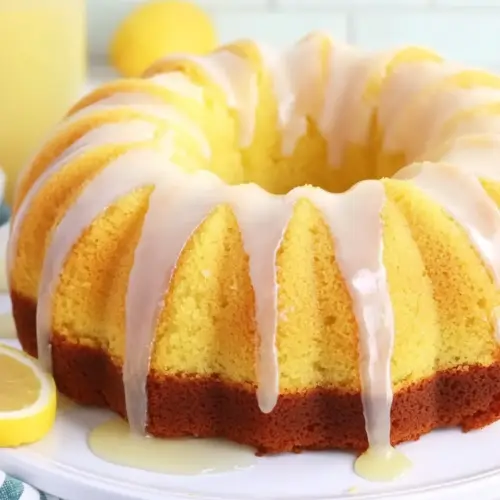
Lemon Pound Cake with Lemon Glaze
Lemon Pound Cake with Lemon Glaze is a tender, buttery loaf brightened by fresh lemon zest and a simple glossy glaze. This easy classic yields a fine crumb and a sunny citrus aroma perfect for brunch or tea, and it’s ideal for gifting or casual gatherings, making it a reliable showstopper you will want to bake again and again.
Equipment
- Bundt Pan
- Mixer
- Mixing Bowls
- Measuring Cups
- Whisk
Ingredients
- 1 cup butter, softened Creamed to incorporate air and provide a tender, rich base for the cake batter while contributing moisture and structure from the butterfat.
- 2 cups sugar Granulated to sweeten the batter, assist with creaming for leavening, and balance flavors while affecting the cake's texture and browning.
- 4 eggs Beaten individually then combined to emulsify and bind the batter, add moisture, and contribute to leavening and richness.
- 3 cups all-purpose flour Sifted or measured accurately to provide the primary structure through gluten and starch, giving the pound cake its crumb and volume.
- 1/2 teaspoon baking powder Leavening-activated in small amount to help provide subtle lift and improve crumb lightness without altering flavor significantly.
- 1/2 teaspoon baking soda Chemical leavening to react with acidic components and contribute additional rise, resulting in a lighter, more tender cake crumb.
- 1/2 teaspoons salt Seasoning added sparingly to enhance overall flavor balance and strengthen the perception of sweetness and lemon notes.
- 3/4 cup buttermilk Added to introduce acidity and moisture, helping react with baking soda while tenderizing the crumb and adding slight tang.
- 1 tablespoon lemon zest, freshly grated Zested finely to deliver bright, concentrated citrus oils that amplify lemon aroma and flavor throughout the cake batter.
- 1 tablespoon lemon juice Squeezed in to add fresh citrus acidity and brightness, balancing sweetness and activating leaveners when combined with buttermilk.
- 1 1/4 cups powdered sugar Sifted or whisked for the glaze to provide sweetness and structure, dissolving into liquids to create a smooth, pourable icing.
- 2 teaspoons lemon juice Measured to intensify the glaze's lemon flavor and add acidity for a tangy finish that balances the powdered sugar.
- 1 -2 tablespoons milk Stirred in to adjust glaze consistency, creating a smooth, spreadable or drizzling texture while adding a touch of dairy richness.
Instructions
- Heat oven to 325°F. Grease and flour a bundt pan; set aside.: As the oven warms, you will notice a gentle hum and eventual steady glow from the heating element, which creates the even environment this dense cake needs to rise slowly without cracking excessively. Greasing and flouring the bundt pan ensures the cake releases cleanly, and you should feel the smooth texture of your pan surface as you coat it. The why here is simple, the pan coating prevents sticking and protects the cake’s shape. A common mistake is insufficient greasing which causes the cake to tear when inverted, so take a minute to get full coverage and tap out excess flour.
- In a large bowl, combine sugar and butter at medium speed, scraping the bowl often, until creamy. Continue beating, adding 1 egg at a time, until well mixed.: You will hear the mixer change tone as the butter and sugar transform from grainy to silky and pale. The aroma will become buttery and slightly sweet, and the texture should look light and aerated, which traps tiny bubbles that expand in the oven to create structure. Adding eggs one at a time maintains a stable emulsion, avoiding separation. If you rush this stage the batter will not incorporate air properly, so resist the urge to speed up or skip scraping down the bowl edges.
- In a medium bowl, mix the flour, baking powder, baking soda, and salt.: When you whisk these dry components together you create a uniform distribution of leavening so the cake rises evenly. The visual cue is a homogenous pale mixture with no pockets of baking powder or baking soda. This is important because uneven leavening results in uneven texture or odd flavor pockets. A typical error is adding the leaveners directly without sifting or mixing, which risks having concentrated pockets.
- On low speed alternately add the flour mixture and the buttermilk and scrape the bowl often, until well mixed. Add lemon zest and 1 tablespoon of lemon juice. Continue beating until combined.: At this stage you will notice a rhythm, folding in dry, then liquid, so the batter becomes smooth and glossy. The buttermilk contributes to a tender crumb and reacts slightly with the leaveners, while the alternating additions prevent overworking gluten. Once the lemon zest and lemon juice are folded in you will get a bright citrus perfume. If you overmix after adding the flour the crumb will toughen, so mix just until no streaks of flour remain.
- Spoon batter into prepared pan. Bake for 55-65 minutes or until a toothpick inserted in the center comes out clean. Cool in pan for 10 minutes. Invert onto a serving plate; cool completely.: As the loaf bakes the top will slowly turn golden and a clean, sweet aroma will fill the kitchen. The batter’s surface will spring back gently to the touch when it is near done, and a toothpick should come out clean or with a few moist crumbs. Cooling in the pan for 10 minutes allows the structure to set so the loaf releases without collapsing, and inverting it onto a rack finishes the cooling. Cutting into the cake too early is the usual misstep that leads to a gummy interior, so be patient and let it cool fully before glazing.
- For the glaze, stir powdered sugar, 2 teaspoons of lemon juice, and enough milk for desired glazing consistency in a small bowl. Drizzle over the cooled cake.: The glaze should be mixed until smooth, glossy, and just pourable, and when you spoon it over the top it should form thin ribbons that slowly melt into the surface. The aroma of fresh lemon juice will lift the sweetness, and adjusting the milk a drop at a time lets you control how far the glaze runs. Avoid making the glaze too thin which will pool at the base and hide the cake’s top, or too thick which will crack when sliced.
Notes
- Make a thicker frosting by using less milk and more powdered sugar to pipe a decorative layer on top instead of a runny glaze.
- Add berries when serving by pairing slices with fresh berries on the plate, letting their natural juices complement the lemon.
- Use a loaf pan when you prefer individual loaves; divide batter between two 9 by 5 inch pans and bake at the same temperature, watching for the same visual cues.
- Store properly by wrapping cooled cake tightly in plastic wrap and keeping at room temperature for two days, or freeze slices for longer storage.
- Adjust sweetness by reducing the glaze powdered sugar slightly and balancing with a touch more lemon juice if you like a tangier finish.