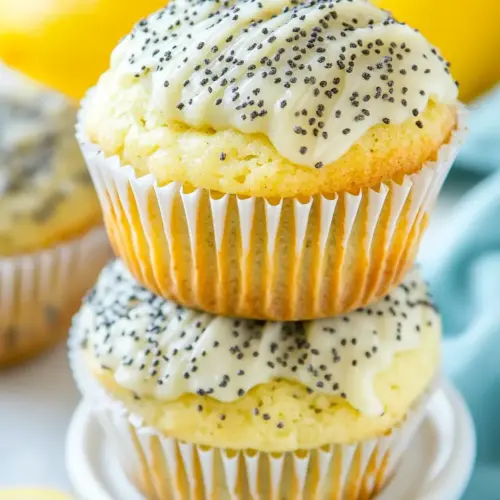
Lemon Poppyseed Muffins
Lemon Poppyseed Muffins are tender, citrus kissed cupcakes with a delicate crunch from poppy seeds and a glossy citrus glaze. These easy to make muffins blend creamy sour cream and neutral oil for moist texture, while a simple glaze boosts brightness, making them perfect for brunch or an easy weeknight bake, and a crowd pleasing reason to bake today.
Equipment
- Muffin Tin
- Mixing Bowls
- Whisk
- Measuring Cups
- Spoon or scoop
Ingredients
- 3 cups all-purpose flour Provide structure and bulk to the muffins, forming the primary dry base that binds with liquids to create the batter. Ensure the flour is measured accurately and lightly spooned into the cup for consistent texture and proper crumb. Sifting before mixing can help incorporate air and remove lumps for a tender result.
- 1 1/2 tsp salt Enhance overall flavor balance and strengthen gluten development slightly while controlling yeast activity in recipes. Add into the dry mix to evenly distribute salinity and improve the perception of sweetness. Measure precisely to avoid over-salting which can mask the lemon notes.
- 1 1/2 tsp baking powder Leaven the batter by producing carbon dioxide when activated, contributing to lift and a light crumb. Combine with the dry ingredients so it disperses uniformly and reacts properly with the wet components. Freshness matters—expired baking powder reduces rise and results in denser muffins.
- 1 1/2 tbsp poppy seeds Provide a mild nutty crunch and signature visual flecking throughout the muffins, complementing citrus flavors. Stir into the dry ingredients to ensure even distribution so each bite contains poppy seed texture. Toasting lightly beforehand can amplify aroma, but is optional based on preference.
- 2 1/2 cups sugar Sweeten the muffins, control browning, and influence moisture retention in the final crumb for tender results. Incorporate with wet or dry components as directed to ensure even sweetness throughout the batter. Adjust amount slightly if preferring less sweet, but maintain balance with lemon flavor.
- 1 1/8 cups vegetable oil Add moisture and richness while contributing to tender crumb and extended shelf life; acts as a fat that coats flour proteins to limit gluten formation. Pour into the wet mixture and combine smoothly to emulsify with other liquids for consistent texture. Use measured precisely to avoid overly greasy muffins.
- 3 eggs Bind ingredients together, add structure and lift, and contribute to richness and color in the final muffins. Beat eggs lightly before incorporating to ensure even distribution throughout the batter. Check for freshness and room temperature eggs for optimal emulsification with oil and dairy.
- 1 1/2 cup milk Provide hydration to the batter, contributing to a soft crumb while diluting batters and influencing tenderness depending on fat ratio. Pour into the wet mixture and mix until just combined to avoid overworking the gluten. Use whole or specified milk for desired richness.
- 1 cup sour cream Contribute tangy richness and extra moisture that tenderizes the crumb, balancing sweetness with a subtle acidity. Fold into the wet ingredients to create a creamy batter and prevent curdling with other liquids. Full-fat sour cream yields the best texture and flavor contrast in muffins.
- 2 tsp vanilla extract Enhance flavor depth with a warm, sweet aromatic note that complements the citrus elements and overall sweetness. Add to the wet mix to evenly infuse the batter without overpowering the lemon and orange extracts. Use quality vanilla for a cleaner, more rounded flavor profile.
- 2 tsp lemon extract Provide intense concentrated citrus aroma and lemony flavor that defines the muffin’s character and brightens the batter. Add into the wet ingredients sparingly and taste if adjusting, as extracts are potent. Combine with other citrus elements for layered, vibrant flavor.
- 1/4 cup orange juice Contribute fresh citrus acidity and subtle sweetness that lifts the muffin’s flavor and interacts with the poppy seeds. Mix into the wet components to provide natural fruit flavor and help activate baking powder slightly. Fresh-squeezed juice works best for clarity and brightness.
- 3/4 cup powdered sugar Create a glossy, sweet glaze component when combined with a liquid, adding a final layer of sweetness and visual appeal on top of muffins. Sift before mixing to avoid lumps and whisk with a liquid to desired consistency for drizzling. Powdered sugar dissolves quickly for a smooth finish.
- 1 tsp lemon extract Reinforce lemon aroma and provide a finishing citrus note, useful in glazes or to intensify lemon flavor without adding extra liquid. Add sparingly to the glaze or batter as required to avoid overpowering other flavors. Use the extract to fine-tune brightness and balance.
Instructions
- Preheat oven to 350°F, and line muffin tins with muffin liners.: When your oven reaches 350°F you will notice a gentle warmth that helps the batter spring and form a tender crust, and the liners keep the muffins from sticking. Make sure the racks are centered for even heat distribution, because uneven placement can create domes that brown too quickly. A common mistake is skipping liners or preheating, which causes inconsistent rise and sticking.
- Mix together your flour, salt, baking powder, poppy seeds and 2 1/2 cups white sugar in a large bowl or kitchen aid. Add the eggs, milk, oil, sour cream, vanilla, lemon extract and beat until smooth.: In this stage you will smell the dry aroma of flour and sugar , and see the poppy seeds scatter like tiny specks through the mixture. Combining dry ingredients first ensures even distribution of leavening and seeds, which promotes a uniform rise and flecked crumb. Overmixing now is a risk, so whisk just to combine to avoid tough muffins.
- Distribute batter evenly into muffins tins (about 3/4 full).: As you incorporate the wet ingredients the batter will become glossy and slightly thick, with a sweet citrus scent developing from the lemon extract and vanilla extract . Be mindful to blend until the mixture looks homogeneous, but stop once the last streaks disappear, because overbeating can introduce too much air, leading to large holes or a dense finish. A frequent error is beating too long, which can also cause the muffins to dome unevenly.
- Bake at 350° for 17-19 minutes and let cool.: You will feel the batter’s weight in your scoop and see the wet batter level slightly when placed in the liners. Filling about three quarters keeps room for rise while preventing overflow, and even portions ensure uniform timing during baking. Uneven filling leads to mismatched bake times, so use an ice cream scoop or measuring cup for consistency.
- Frosting: Mix together orange juice, powdered sugar and lemon extract until well combined. Pour over your muffins while they are still hot. Allow to cool completely before serving.: As the muffins bake you will hear a faint settling and see the tops turn golden, with a gentle dome forming; the aroma of baked sugar and citrus will fill the kitchen. A toothpick inserted in the center should come out clean or with a few moist crumbs when done; if not, give them a couple more minutes but watch closely to avoid drying. One common mistake is leaving muffins in too long which yields a dry crumb instead of tender perfection.
- Frosting: Mix together orange juice, powdered sugar and lemon extract until well combined. : The glaze should finish glossy and pourable, with a bright citrus scent from the orange juice and lemon extract . Whisking thoroughly breaks up any lumps and creates a smooth texture that will cling to muffin tops. If the glaze is too runny it will pool and not set, so adjust by adding a touch more powdered sugar to thicken; conversely, add a few drops of orange juice if it is too stiff. A common slip is not sifting powdered sugar, which can produce grainy glaze.
- Pour over your muffins while they are still hot.: Pouring the glaze while muffins are warm allows it to soak slightly into the top, marrying flavor and texture and leaving a shiny finish. You will notice the glaze thinning as it hits the warm surface and then set to a thin sheen as it cools. If you wait until they are cold the glaze will sit more on top and not meld into the crumb, which changes the eating experience.
- Allow to cool completely before serving.: Cooling gives the glaze time to set and the crumb to firm to the ideal texture, making slicing or handling cleaner. The aroma will settle into the muffins during this rest, and the interiors will redistribute moisture. Serving too soon often results in smearing glaze and a slightly gummy center.
Notes
- Boost citrus brightness: Add an extra 1 tsp of lemon extract to the glaze for louder lemon notes without changing the batter balance.
- Adjust sweetness: Reduce sugar by up to 1/4 cup if you prefer a less sweet muffin, but note the crust may brown slightly less.
- Oil swap: Try another neutral oil in place of vegetable oil if desired, keeping the same volume to maintain moisture.
- Even poppy distribution: Toss poppy seeds with a teaspoon of flour before adding to the batter to prevent them from sinking.
- Make ahead: Bake fully, cool, and freeze in single layers; thaw at room temperature and refresh in a warm oven for a few minutes before glazing.